



A Monument to Fading Glamour
The Walk of Fame wasn’t born from artistic merit alone, but from a civic need. In the 1950s, Hollywood's luster was fading as studios moved out and the area declined. E.M. Stuart, then-president of the Hollywood Chamber of Commerce, proposed the Walk in 1953
as a way to “maintain the glory of a community whose name means glamour and excitement.” It was, at its core, an urban revitalization project. The initial selection committees were stacked with industry titans like Cecil B. DeMille and Walt Disney, who chose the first 1,558 honorees. The first stars were laid in 1960, cementing a new tradition designed to literally embed celebrity into the city's foundation. For years, however, it languished; after the initial installation, no new stars were added for nearly a decade.
The Price of Pavement
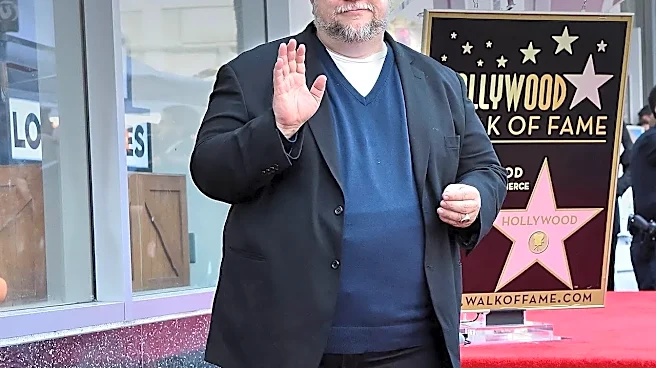
Many assume a star is a pure honor bestowed upon the worthy, like a knighthood from the Queen of Hollywood. The reality is more transactional. Today, getting a star involves a formal nomination, the celebrity's written consent, and a hefty sponsorship fee. As of 2026, that fee is $85,000, paid to the Hollywood Historic Trust. This money covers the star's creation, the public unveiling ceremony, and lifetime maintenance of the landmark. While anyone, including a fan, can submit a nomination, the fee is typically paid by a nominating entity with a vested interest, like a movie studio, record label, or publicist. This financial component marks a crucial shift from a passive monument to an active tool. It’s not just an award; it’s a purchased piece of high-visibility real estate and a major PR event.
The Politics of Selection and Snubs
The selection process itself mirrors the opaque nature of industry voting. A committee of fellow Walk of Famers meets annually in June to select around 24-30 names from hundreds of applications. The criteria include professional achievement, longevity, and community contributions. However, the list of those without stars is as telling as those who have them. Legends like Al Pacino, Clint Eastwood, and Julia Roberts have famously never claimed their stars or declined the honor. Pacino was selected but never scheduled his ceremony, while Eastwood has reportedly shown no interest. Meanwhile, a celebrity's agreement to attend the public unveiling is a non-negotiable requirement—a rule reportedly instituted after Bruce Springsteen was a no-show for his own ceremony. This illustrates that the Walk is not just about legacy, but also about participation in the publicity machine.
A Campaign Stop on the Road to Oscar
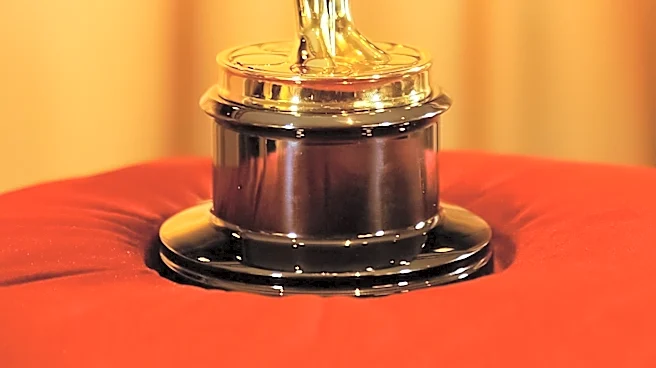
This is where the Walk of Fame’s history directly intersects with industry voting. An Oscar or Emmy campaign is all about maintaining visibility during the crucial voting window. A star unveiling ceremony is a perfect, press-filled event to achieve this. These ceremonies are broadcast globally and create a fresh wave of media coverage centered on an actor's career and latest project. It’s a powerful reminder to Academy voters of a nominee’s status and legacy. While a star on the sidewalk doesn’t cast a ballot, its unveiling can be strategically timed to influence those who do. It serves the same function as a magazine cover, a film festival tribute, or a primetime talk show appearance: it keeps a name at the front of voters' minds. The evolution of the Walk of Fame from a 1950s beautification project to a modern-day, high-cost PR event shows how every part of the Hollywood ecosystem can be leveraged to shape perception and, ultimately, influence who takes home a golden statuette.