
The Secret in the Seam
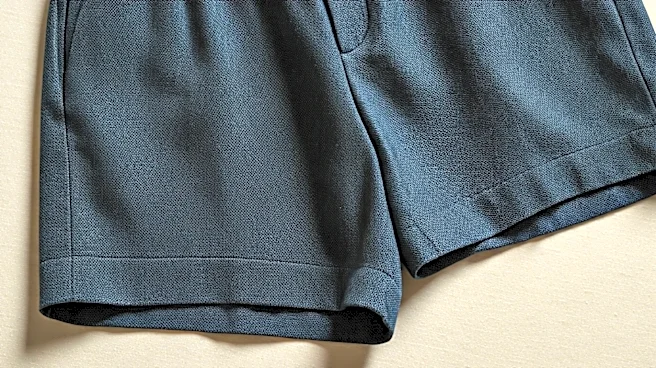
The detail in question isn't a flashy logo or a specific fabric, but a subtle feat of geometric genius: the angled hem. Look closely at a pair of truly flattering short shorts. You’ll notice the hem doesn’t
cut straight across your thigh. Instead, it curves upward slightly at the outer seam while remaining a touch longer toward the inseam. This design, borrowed from high-performance athletic wear, is the single most effective trick for making short shorts look intentional and polished rather than like a pair of sawed-off jeans. It’s a deliberate choice that sculpts the garment to the body’s natural lines, creating a silhouette that feels both modern and sophisticated.
An Optical Illusion for Your Legs
So why does this seemingly minor adjustment make such a massive difference? It’s all about visual dynamics. A blunt, horizontal hemline acts like a hard stop, effectively chopping your leg line in two and potentially making your thighs appear wider. It draws a stark, unflattering line across one of the widest parts of your leg. The angled hem, by contrast, creates a diagonal line. This upward sweep at the side of the leg draws the eye vertically, creating an optical illusion of length. Your legs appear longer and leaner because the visual endpoint of the shorts is softened and directed upward. It prevents the dreaded “sausage casing” effect by providing more room for movement on the outer thigh while maintaining coverage on the inner thigh, where chafing can be an issue. It’s a masterclass in using tailoring to work with the body, not against it.
It’s Not Just the Hem
While the angled hem is the star of the show, it works best as part of a team. Other elements of construction contribute to that elevated look. First is the rise—the distance from the crotch to the waistband. A mid- to high-rise short short often feels more current and balanced, helping to define the waist and create a more proportional silhouette. This works in concert with the angled hem to elongate the entire lower body. Second, consider the fabric. Cheap, flimsy materials tend to cling and bunch in all the wrong places. Look for shorts with a bit of structure—like a sturdy cotton twill, a linen blend, or a tailored crepe. This allows the shorts to hold their shape and let the angled hem do its work without collapsing. Finally, the leg opening itself should be just right: not skintight, but not flapping in the breeze. A little room is essential for comfort and creating that clean, flattering line.
How to Spot the Perfect Pair
Now that you’re in on the secret, you can become a more discerning shopper. When you’re trying on shorts, don't just look at yourself from the front. Turn to the side and check the line of the hem. Does it cut straight across, or does it have that subtle, upward curve at the side? Lay them flat on a table to see the cut more clearly. Online, this can be trickier. Scrutinize the product photos, especially side-view shots. Look for descriptions that use words like “curved hem,” “dolphin hem” (a term for this style in athletic shorts), or “sculpted fit.” The best brands understand this principle and build it into their designs because they know it creates a superior product. It’s the difference between a throwaway summer trend and a timeless, well-fitting staple you’ll reach for again and again.