





The Trend Cycle Is Designed to Confuse
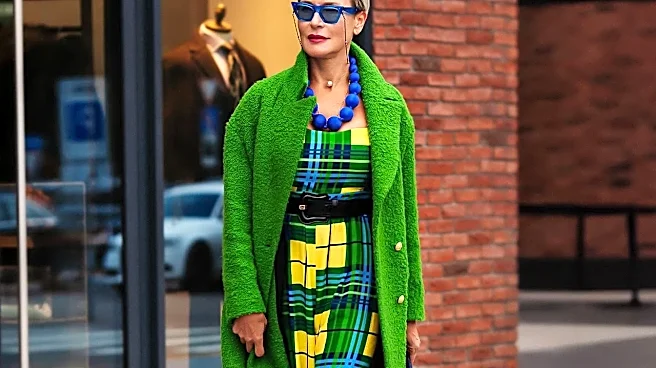
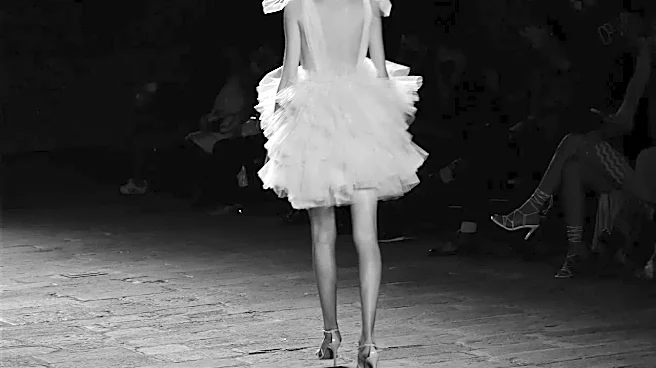
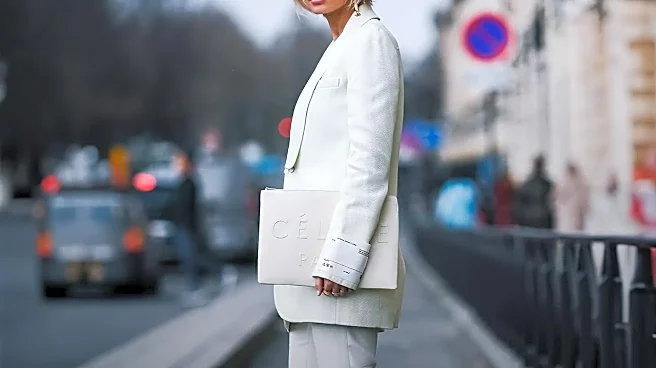
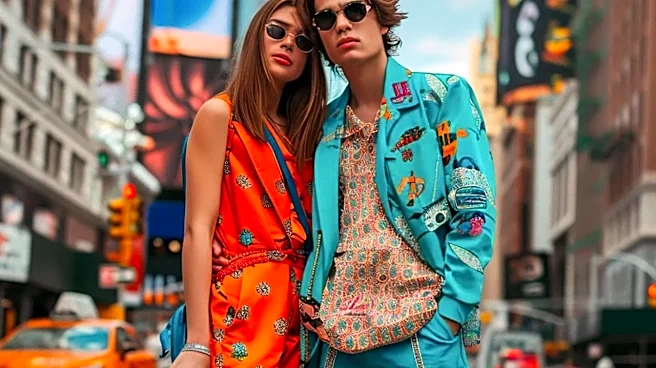
New York Fashion Week is a dazzling spectacle, showcasing breathtaking creativity and setting the tone for what we'll all be wearing next. This September is no different, with street style stars and runway shows hinting at what's to come for Spring 2027.
But in the weeks that follow, fast-fashion brands will rush to replicate these looks, translating high-concept designs into cheaply made, widely available garments. The goal is to create a sense of urgency, making you feel like you need to buy it now before it's gone. This cycle encourages a culture of disposable clothing, where garments are worn a few times and then tossed. The result is often a closet full of clothes that are no longer in style and were never built to last in the first place, leading to buyer's remorse and significant environmental waste.
Your Secret Weapon: The Fabric Label
Here’s the counter-move: ignore the hype and focus on the fundamentals. The single most powerful tool you have against persuasive, disposable trends is a basic understanding of fabric. Before you even consider the price or the silhouette, flip the garment over and read the content label. That small tag is the key to understanding how the piece will actually feel, wear, and last over time. A trendy item made from poor-quality material is a trap. A classic piece made from a durable, beautiful fabric is an investment. Learning to tell the difference empowers you to assess a garment's true value, not just its fleeting relevance. It's the difference between buying a costume and building a wardrobe.
Decoding Common Fabrics: The Good, The Bad, and The Sweaty
You don't need to be a textile expert, just familiar with the main players. Most clothing falls into a few key categories. Synthetics like polyester, nylon, and acrylic are the workhorses of fast fashion. They're cheap to produce, hold vibrant dyes, and resist wrinkles. The downsides? They are essentially plastics derived from petroleum, don't breathe well (leading to that clammy, sweaty feeling), can pill easily, and shed microplastics with every wash. Natural fibers include cotton, linen, wool, and silk. These materials tend to be more breathable, comfortable against the skin, and biodegradable. Organic cotton, for example, avoids harmful pesticides, while linen is exceptionally strong and cool in the heat. They might require more thoughtful care, but they reward you with longevity and comfort. The final category includes regenerated cellulose fibers like Tencel (lyocell) and modal, which are made from wood pulp. These fabrics are often celebrated for their sustainable production processes, silky-smooth feel, and excellent moisture-wicking properties, making them a fantastic and often more eco-friendly alternative to both cotton and polyester.
From Trend Follower to Smart Investor
Armed with this knowledge, you can approach new trends with a critical eye. See a pair of the balloon pants that are everywhere this season? If they're made from a flimsy, shiny polyester, you know they'll likely look worn after a few wears and feel stuffy. But if you find a similar style in a sturdy cotton or a breathable linen blend, you have a piece that's both trendy and has the potential for a long life in your closet. The same goes for a cropped jacket or a romantic lace-trimmed skirt. The fabric content tells you whether the designer invested in the garment's quality or just its temporary aesthetic. This shift in perspective moves you from being a passive consumer of trends to an active curator of your personal style. You're no longer just buying what you're told is fashionable; you're investing in pieces that feel good, look good, and are worthy of your money.