




From Punchline to Power Player
Let’s be honest: for years, the idea of a suit without sleeves has been treated as a novelty at best and a sartorial crime at worst. It breaks the fundamental rule of tailoring, which is all about creating a clean, powerful shoulder line. Removing the sleeves felt
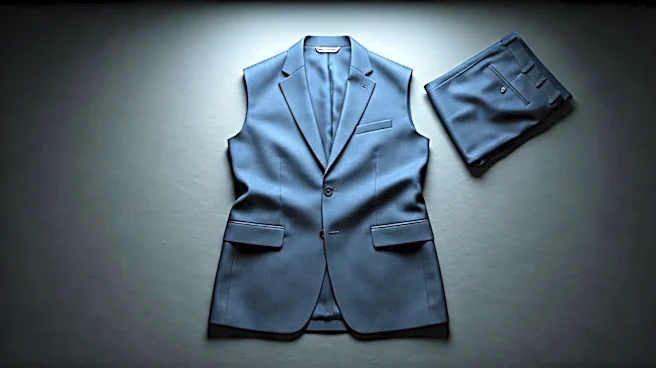
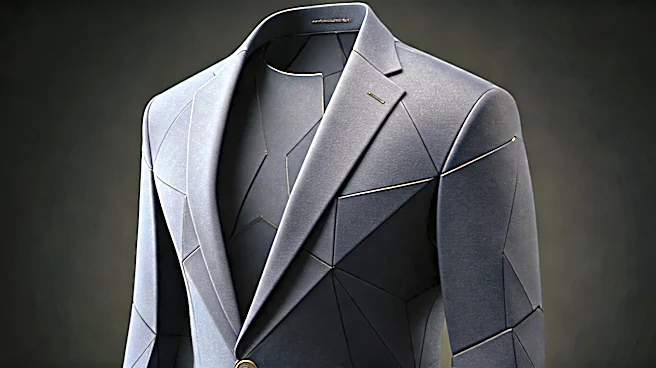
like taking the engine out of a sports car—what’s the point? Yet, the recent Paris Men’s Fashion Week collections challenged that assumption head-on. At Louis Vuitton, Pharrell Williams sent out impeccably tailored vests paired with matching trousers, creating a look that was both formal and refreshingly breathable. It wasn’t a casual vest; it was the structured, refined top half of a suit, simply liberated from its sleeves. Similarly, designers like Rick Owens and Dries Van Noten have long played with deconstructed tailoring, but this season felt different. The sleeveless suit wasn’t presented as an avant-garde statement, but as a genuinely wearable, even desirable, option for the modern man.
Redefining Warm-Weather Formality
The rise of the sleeveless suit isn't just about aesthetics; it's a practical response to a changing world. As global temperatures rise and office dress codes relax, the traditional wool suit becomes an instrument of torture in the summer months. For decades, the only answer was to sweat through it or default to less formal options like chinos and a blazer. The sleeveless suit offers a compelling third way. It maintains the sharp lines and dignified fabric of a traditional suit—the matched set, the crisp tailoring, the sense of occasion—while providing literal and figurative breathing room. It suggests that formality isn’t about adhering to a rigid, century-old template. Instead, it’s about intention. By wearing a deliberately crafted two-piece outfit, you are signaling respect for the occasion, but on your own, more comfortable terms. It’s the sartorial equivalent of an email signed “Best,” instead of “Sincerely yours”—still professional, but updated for a new era.
The Evolution of the Three-Piece
This isn't a trend born from thin air. The sleeveless suit is, in many ways, the logical evolution of the classic three-piece suit. Think of it as the vest (or waistcoat, for the purists) stepping out from under the jacket’s shadow and taking center stage. For over a century, the vest was the unsung hero, providing a layer of polish and allowing a gentleman to remove his jacket indoors without looking disheveled. What we’re seeing in Paris is designers simply asking: What if the vest is enough? In this new configuration, the vest is tailored with the precision of a jacket. It’s not a flimsy afterthought but the main event, often featuring lapels, structured shoulders (achieved through clever cutting), and functional pockets. This re-framing gives the sleeveless suit a historical anchor, making it feel less like a fleeting fad and more like a thoughtful update to a menswear staple.
Will It Ever Leave the Runway?
Of course, the big question is whether this look will ever migrate from the catwalks of Paris to the sidewalks of Peoria. For the most fashion-forward, the answer is a clear yes. Celebrities like Timothée Chalamet and Donald Glover have already embraced similar vest-as-shirt looks on the red carpet, priming the public for the idea. For the average American man, the full sleeveless suit might remain a bridge too far. However, its influence will likely trickle down in more subtle ways. We may see a rise in more structured, formal vests worn on their own with trousers for summer weddings or upscale events. It pushes the boundary of what’s considered acceptable formalwear, encouraging men to experiment with layering and silhouette. The sleeveless suit challenges the notion that looking sharp has to mean feeling constricted, a message that resonates far beyond the exclusive world of high fashion.