

The Viral Hack: The Upside-Down Bikini
Like many modern trends, the upside-down bikini top began its life not in a high-fashion atelier, but in the hands of content creators. Italian model Valentina Fradegrada is often credited with popularizing the look on her Instagram back in 2017, even
creating a dedicated account to showcase its versatility. But it exploded into the mainstream when the celebrity ecosystem caught on. A-listers like Kendall Jenner, Kourtney Kardashian, and Hailey Bieber were photographed sporting the look on yachts and pristine beaches. Their massive platforms turned a niche styling trick into a global phenomenon almost overnight. Suddenly, it wasn't just a quirky hack; it was a bona fide trend, a signal of being in-the-know. Every time a major celebrity posted a photo wearing their bikini top upside down, it sent a ripple effect through social media, with millions of followers rushing to try it themselves.
From Influencer Feeds to A-List Status
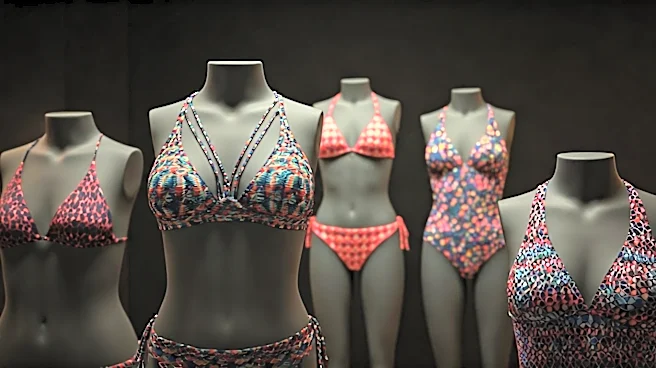
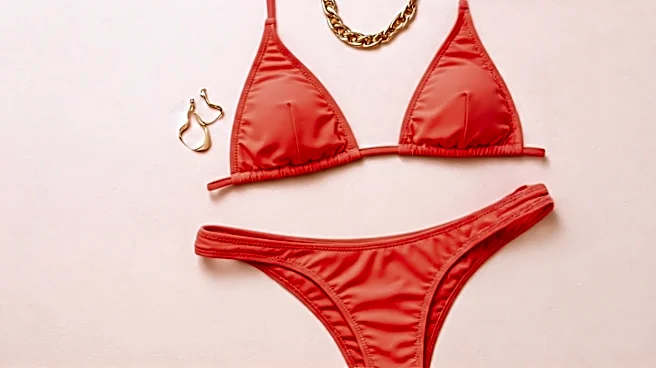
The concept is brilliantly simple. Take a standard string-tie triangle bikini top, flip it upside down so the ruched base of the triangles points upward, and then cross and tie the strings around your neck and back. The result is a completely new silhouette—a gathered, sweetheart-like neckline that offers a little more cleavage and a lot more visual interest. It’s a DIY styling trick that requires no new purchases, just a bit of creative re-tying. This accessibility is key to its power. It’s a fashion statement that costs nothing, empowering anyone with a basic string bikini to create a fresh, customized look. The trend taps directly into the desire for individuality and resourceful style, making one piece of clothing feel like many.
Crashing the Gates of Swim Week
For decades, the fashion world operated on a top-down model: designers dictated trends on the runway, and the public followed. The upside-down bikini flipped that script. After bubbling up on social media and gaining celebrity endorsement, the trend did something remarkable: it appeared on the official runways of Miami Swim Week. Brands like Oh Polly, a fast-fashion giant with deep roots in influencer culture, were early adopters, styling their models in the look. But soon, even more established and high-end resort wear brands began incorporating the silhouette into their shows. Sometimes models were styled in upside-down tops, while other times designers created new pieces that mimicked the distinctive gathered, crisscross look. This was more than just a nod to a passing fad; it was an admission by the industry that the most powerful creative forces in fashion might now be the users themselves. The runway was no longer just dictating trends; it was reflecting them back.
A Permanent Shift in the Trend Cycle
The journey of the upside-down bikini from a simple Instagram post to a Miami Swim Week staple signifies a fundamental change in fashion. It proves that trends no longer flow in one direction. Social media platforms have democratized style, giving anyone with a phone and a clever idea the potential to become a trendsetter. Designers and brands are now in a constant dialogue with their audience, monitoring platforms like TikTok and Instagram not just for marketing, but for creative inspiration. This user-generated innovation is a powerful force. It’s more authentic, more reactive, and often, more creative than what a small group of industry insiders could conceive of on their own. The upside-down bikini isn't just a way to tie your swimsuit; it’s a symbol of a new era where influence is diffuse, creativity is collaborative, and the next big runway trend might just be hiding in plain sight on your 'For You' page.