





The Undisputed Rise of the Sneaker
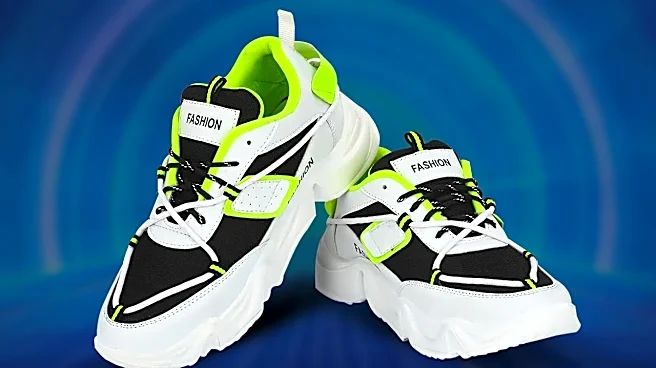
Not long ago, sneakers were relegated to the gym bag. Today, they’re a cornerstone of modern style, seen everywhere from the office to upscale restaurants. The evolution from bulky “dad sneakers” to slimmer, retro-inspired silhouettes has made them more
versatile than ever. Fashion trends are favoring low-profile, clean lace-ups that pair as easily with tailored trousers as they do with a weekend dress. The primary driver, of course, is unparalleled comfort. With cushioned soles and better arch support, a good sneaker is designed for movement and shock absorption, keeping foot fatigue at bay. Podiatrists champion them for promoting better body alignment compared to most other shoe styles. However, not all sneakers are created equal. Trendy, narrow styles can cram toes, and overly flat, unsupportive versions can lead to issues like plantar fasciitis. The key to all-day success is choosing a pair with structure and support, not just brand appeal.
The Enduring Allure of the Heel
There’s no denying the power of a heel. It changes your posture, engages different muscles, and can instill an immediate sense of confidence and polish. Strappy sandals, in particular, add a dose of elegance and femininity that sneakers simply can’t replicate. They are the default choice for formal events, important meetings, and nights out for a reason. But their reputation for pain is well-earned. Stilettos pitch your body weight forward, placing immense pressure on the balls of your feet and straining your knees and back. However, the modern shoe landscape offers smarter choices. Podiatrists suggest opting for more stable designs for prolonged wear. Block heels, wedges, and lower kitten heels distribute weight more evenly, offering height without as much hurt. A wider or squared-off toe box also provides more room, preventing the painful pinching associated with pointed-toe styles.
The 'All-Day' Gauntlet: A Reality Check
When the clock ticks past the eight-hour mark, the true test begins. This is where the physiological differences between sneakers and heels become stark. Wearing high heels for an extended period can shorten the Achilles tendon, leading to pain even when you switch to flats. The unnatural angle can lead to hammertoes, bunions, and general foot, leg, and back pain. Sneakers, designed for athletic performance, are built to support the foot's natural mechanics. They absorb impact and provide a stable base, making them the clear winner for any day involving significant walking or standing. Many professionals have adopted a hybrid strategy: commuting in comfortable sneakers and swapping into heels upon arriving at their destination. This simple act can save your feet from the cumulative stress of walking on hard pavement in unforgiving shoes.
Making Your Choice Work for You
Whichever you choose, a few tricks can dramatically improve your experience. If you’re committed to heels, preparation is everything. Breaking them in at home with thick socks can help stretch stiff materials. Investing in gel insoles or cushioned strips for straps can prevent blisters and alleviate pressure on the balls of your feet. One old trick from ballerinas is to tape your third and fourth toes together with medical tape to ease strain on a key nerve. For sneakers, the focus is on selection. Ensure the pair you choose has adequate arch support and a secure fit that isn’t too tight. And remember that even the best sneakers have a lifespan; once the cushioning breaks down, they lose their supportive qualities and should be replaced.