



The Ego and the Icon
For a superstar athlete, being benched is more than just a missed opportunity to play. It's a public confrontation with athletic mortality. These are players who have spent over a decade as the undisputed center of their team's universe, their names synonymous
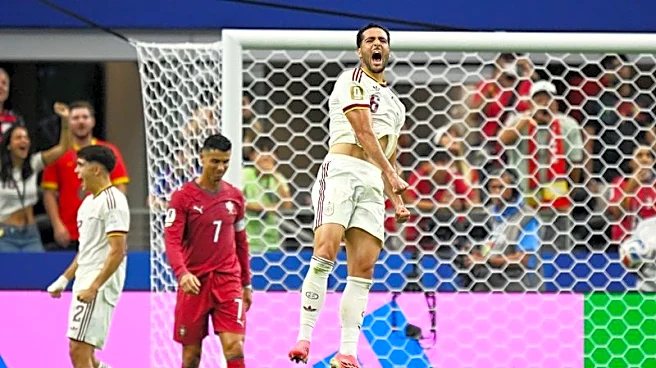
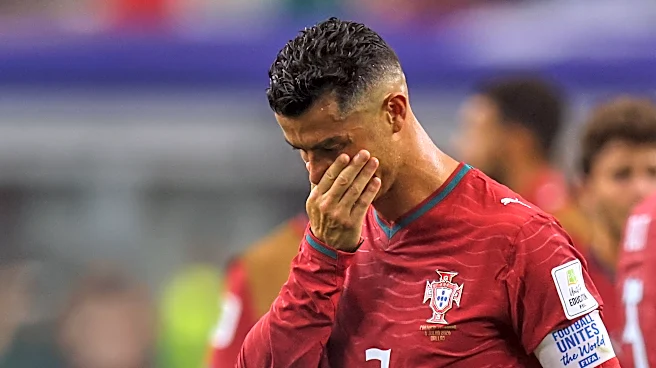
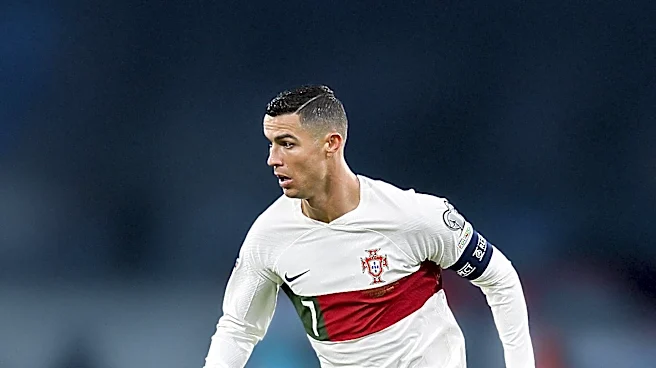
with victory. When a coach tells them to sit, it can feel like a demotion in front of the entire world. Take Cristiano Ronaldo at the 2022 World Cup. Here was a man who had scored in five different World Cups, a record-setter of immense stature. Yet, in the knockout stages, he was dropped. His teammate, Bruno Fernandes, put it plainly when asked about the situation: “Do you think anyone likes to be on the bench? I don't think Cristiano would be happy.” It’s a profound psychological blow. For players who have built their careers on being the decisive factor, the suggestion that the team is better off without them is a difficult truth to swallow, especially on the biggest stage of all.
The Coach’s Ultimate Gamble
From the coach's perspective, the decision is rarely personal. It’s a cold, calculated gamble. Portugal's then-coach, Fernando Santos, was adamant that benching Ronaldo was a “tactical and technical decision.” In modern soccer, aging superstars may no longer have the speed or defensive work rate required for a high-pressing system. The coach is betting that a younger, more athletic player offers a better chance to win now. The gamble paid off for Santos, at first. His replacement for Ronaldo, 21-year-old Gonçalo Ramos, scored a brilliant hat-trick in a 6-1 victory. In that moment, the coach looks like a genius. But the risk is enormous. When Portugal was knocked out in the next round by Morocco, the decision was immediately re-examined. Had they lost with their icon on the bench? The coach who makes this call is either hailed for their courage or condemned as the scapegoat who disrespected a legend.
A Fracture in the Locker Room
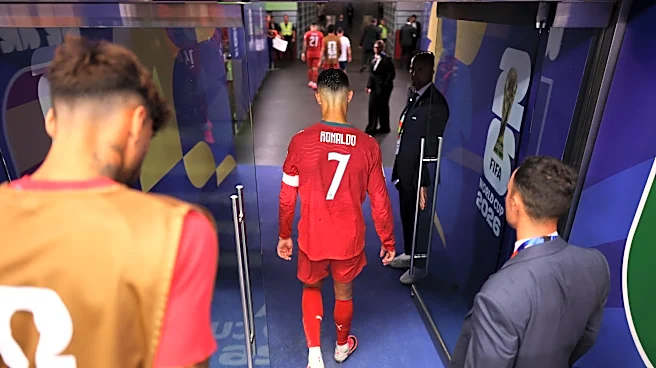
A superstar’s benching sends shockwaves through the locker room. It can divide a squad into factions: those loyal to the veteran icon and those who support the coach’s tactical shift. The benched player's reaction becomes the single most important factor in maintaining team chemistry. If they sulk, stomp around, or become a distraction, the negativity can poison the team's focus. After being benched, Ronaldo was seen walking off the field alone while his teammates celebrated with fans. This kind of body language creates an unavoidable narrative of discontent. Conversely, if a star player embraces their new role, encourages the replacement, and becomes the team's biggest supporter from the sidelines, it can be an incredibly powerful unifying moment. The entire squad is put in an awkward position, forced to answer questions about their teammate instead of the upcoming match. It tests the very fabric of team unity at the moment when it’s needed most.
The Media Firestorm
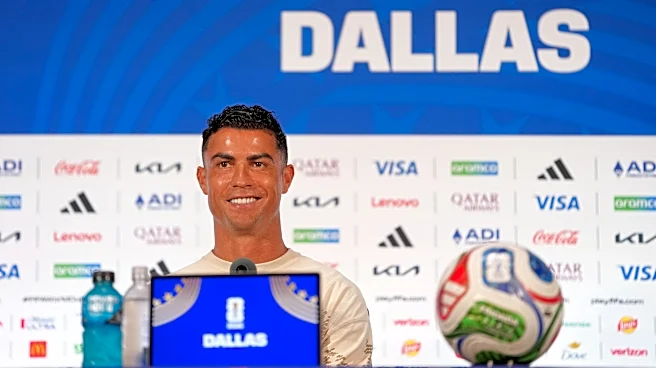
Once a player of Ronaldo's magnitude is benched, the story is no longer about the tournament; it’s about him. Every press conference, every interview, and every pre-game show is dominated by a single topic. Why wasn't he playing? Is he finished? Is there a rift with the coach? This creates an external pressure cooker that can completely overwhelm a team. As Bruno Fernandes noted, the conversation unfairly shifts. “When Cristiano plays and the team wins, no one talks about that,” he said. “When Cristiano plays and the team loses, everyone talks.” The media narrative pulls focus from the collective goal and places it squarely on the individual drama. Instead of analyzing tactics or celebrating a team victory, the conversation becomes a referendum on a legend’s career, creating a distraction that can derail a team's championship ambitions.