




The Added Dimension of Weight
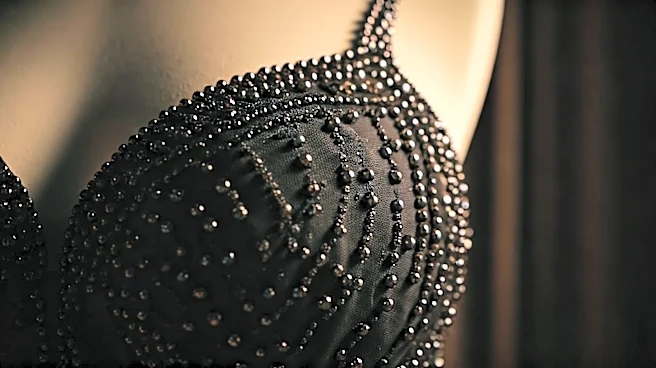
The most immediate change beading introduces is weight. While a single plastic or glass bead is negligible, hundreds of them create a noticeable heft. Swimwear fabric, typically a blend of nylon or polyester with spandex, is engineered to be lightweight
and stretchy, offering a second-skin feel. When designers add beads, they are working against this core property. The added weight has two primary effects. First, it can impact support. In a bikini top, for example, the weight of beading along the neckline or straps can pull the fabric downward, potentially reducing lift and security. Well-constructed pieces counteract this with stronger straps, reinforced seams, or underwire. Second, the weight becomes more pronounced when the swimsuit is wet. Waterlogged fabric is already heavier, and the added pull from beads can make a suit feel saggy and less responsive to your movements after a dip in the pool or ocean.
How Beading Redefines Drape
Drape refers to how a fabric hangs and conforms to the body. A standard swimsuit clings; beading forces it to hang. This can be a stunning design choice. A line of heavy glass beads along the hem of a tankini can give it a beautiful, flowing edge that moves gracefully. Beading on a sarong or cover-up can help it hang elegantly instead of clinging with static or moisture. However, this alteration isn’t always a positive. If beading is concentrated in one area of a one-piece—say, across the bust—it can create an unnatural pull, causing the fabric below it to bunch or ripple. A skilled designer understands this, using beading to create intentional lines and shapes. They might use lighter acrylic beads for dense patterns and heavier glass or stone beads for accents where a downward pull is desired. For the wearer, this means a beaded suit may not have the same uniform, compressive fit you expect from traditional swimwear. It often creates a more relaxed, decorative silhouette.
The Reality of Wearability
A beaded swimsuit often falls into one of two categories: poolside lounger or active swimmer. Heavily embellished suits are typically designed for the former. They are statement pieces meant for sunbathing, socializing, and looking fabulous—not for swimming laps. The friction of active movement can cause beads to snag on towels, cover-ups, or even themselves. Wooden and natural stone beads can be porous and may absorb chlorine or salt, leading to discoloration or degradation over time. Metal beads, unless specifically treated for marine use, can rust or tarnish. There's also the comfort factor. Beads sewn onto the interior of a suit or along tight-fitting edges can press into the skin, causing irritation after hours in the sun. If you plan to be active, look for swimsuits with beading limited to areas that don't experience high friction, like the center of the bust on a bikini top or the ties on the hips of a brief. These are less likely to interfere with movement or comfort.
Care and Longevity Concerns
You can't just toss a beaded swimsuit into the washing machine. Doing so is a surefire way to lose beads, snag the delicate fabric, or destroy the embellishments. Almost all beaded swimwear requires hand-washing in cool water with a gentle detergent. Instead of wringing it out, which can stretch the fabric and stress the threads holding the beads, you should gently squeeze out excess water and lay the suit flat to dry on a towel, away from direct sunlight. Proper storage is also key. Hanging a wet or even dry beaded swimsuit can cause the weight of the beads to permanently stretch the fabric, ruining its shape. It's best to store them folded flat. Before buying, it’s wise to inspect the craftsmanship. Are the beads sewn on securely with strong thread, or are they lightly glued? Tugging gently on a few can give you a sense of the suit's durability. A well-made beaded suit is an investment, and its lifespan depends heavily on this careful handling.