





The Architect of Air and Volume
Before Cristóbal Balenciaga, high fashion was largely about celebrating a very specific, cinched-waist silhouette, epitomized by Christian Dior’s postwar “New Look.” Balenciaga, an architect with fabric, proposed a radical alternative. He wasn’t interested
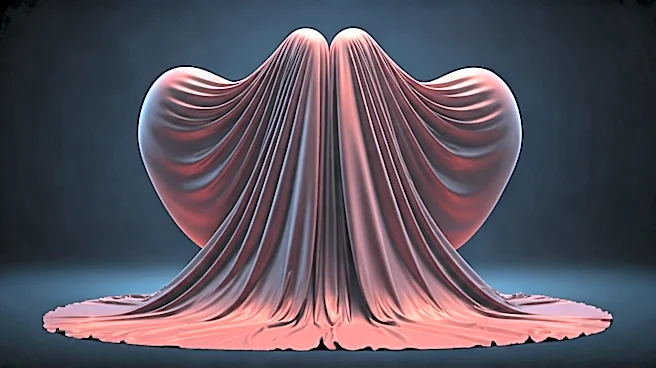
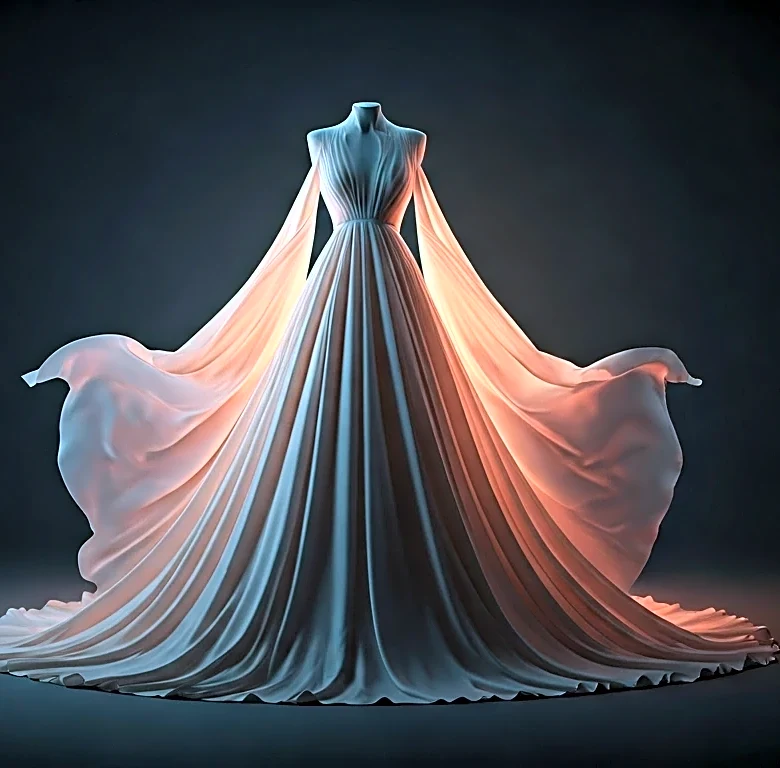
in constricting the body, but in creating sculptural forms that floated around it. His most iconic innovations—the cocoon coat, the balloon jacket, and the barrel line—did just that. These garments were defined by their volume, with broad shoulders and curved backs that stood away from the body, creating a sense of drama and grace that didn’t rely on a tiny waist. He used stiff, innovative textiles like silk gazar to build these shapes, which held their form like soft sculptures. It was a fundamental shift in thinking: elegance could come from the shape of the garment itself, not just from how it outlined the figure beneath.
The Scandal of the Sack Dress
If the cocoon coat was a quiet revolution, the sack dress of 1957 was a declaration of war on convention. At a time when the hourglass figure was the undisputed ideal, Balenciaga introduced a dress that was defiantly shapeless. It fell straight from the shoulders to the knees, completely obscuring the waistline. The press and public were initially baffled; some found it scandalous to so thoroughly conceal the female form. But the sack dress, also known as the chemise, was ultimately liberating. It offered ease and comfort without sacrificing an ounce of chic, paving the way for the unfussy shift dresses that would come to define the 1960s. In retrospect, it’s clear that Balenciaga wasn't trying to hide women; he was freeing them from the expectation that their clothes must be molded to their bodies, proposing instead that their bodies could be a canvas for pure form.
The Modern Dialogue
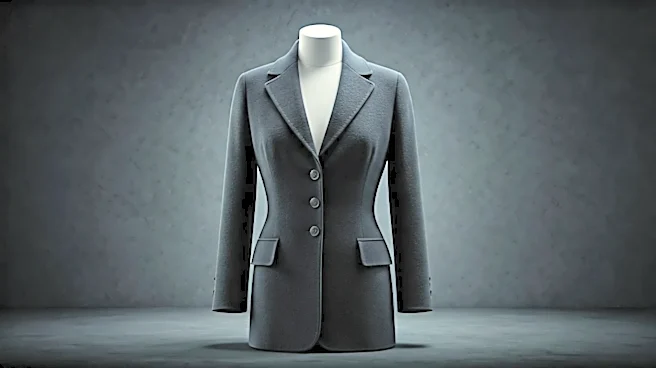
Balenciaga’s catalog of innovations didn’t stop there. He gave us the high-waisted baby doll dress, a playful yet still-radical trapeze shape, and semi-fitted suits that were conservative from the front but billowed out with volume in the back. For decades, these shapes have served as a blueprint for designers seeking to explore modernity. The house’s more recent creative director, Demna, famously dove into the archives, reinterpreting these masterworks with a subversive, contemporary edge that kept the founder's spirit of innovation alive. His work revived the couture house after a 53-year slumber, thrusting the architectural legacy of Cristóbal back into the center of the fashion conversation and setting the stage for the next chapter.
Watching for Ghosts at Couture Week 2026
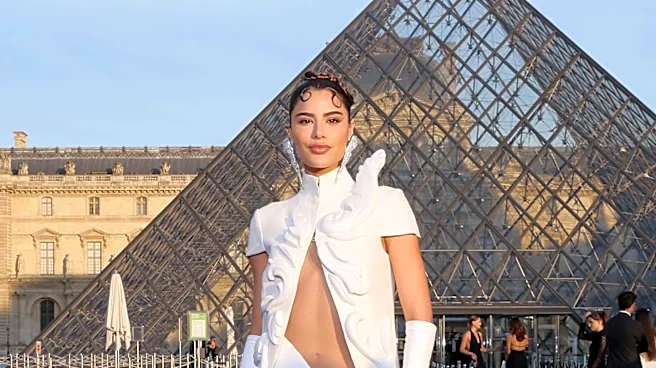
This week in Paris, that next chapter begins. As designers like Schiaparelli and Chanel present their collections, traces of Balenciaga's thinking are everywhere—in a rounded shoulder, a voluminous back, or a dress that prioritizes silhouette over sedation. But all eyes are truly on the Balenciaga show, scheduled for July 8. It will mark the hotly anticipated couture debut of new creative director Pierpaolo Piccioli, who recently moved from Valentino. The entire industry is waiting to see how he will converse with the founder’s powerful legacy. Will he offer reverent homage, radical reinterpretation, or something else entirely? His collection will be the most direct engagement with these archival “ghosts” of the week. The haunting isn't about being stuck in the past; it’s about a design philosophy so pure and powerful that today’s designers are still catching up to it, challenged to be just as bold.