



The Room and The Vibe
The most immediate difference is the energy of the room itself. The Academy Awards take place in the Dolby Theatre, a classic, forward-facing auditorium. The setup is formal, almost reverential. Speeches are delivered from a lone podium to a seated, silent
audience, which naturally encourages a more serious, oratorical style. The Emmys, by contrast, often feel more like a sprawling, boisterous dinner party held at a venue like the Peacock Theater. Winners navigate through tables of their peers, creating a looser, more communal, and sometimes more chaotic atmosphere. This environment allows for more spontaneity, inside jokes, and a general feeling that you're watching a celebration, not a coronation.
The Gratitude Gauntlet
The nature of television versus film directly shapes the thank-you list. An Oscar winner is accepting an award for a single, contained project that may have taken years to make but is now complete. Their speech often focuses on a tight group: the director, key collaborators, and family. An Emmy, however, frequently honors a piece of an ongoing series. A television actor or writer is part of a massive, long-term machine. As a result, Emmy speeches are famous for their sprawling, rapid-fire lists of names: fellow cast members, a dozen producers, the entire writers' room, network executives, and the crew. It’s a reflection of television’s collaborative and factory-like nature, where hundreds of people contribute to a season.
The Stakes and The Shock Factor
An Oscar is widely seen as the ultimate career pinnacle. For many, it's a once-in-a-lifetime achievement that can redefine their status and earning power. The speeches often carry the weight of that finality. The Emmys, while a huge honor, can feel different. Because TV series can run for years, it's not uncommon for the same show or actor to win multiple times, creating a sense of recurring victory rather than a singular peak. Furthermore, the sheer volume of high-quality television has made the Emmy races far less predictable than the Oscars. The Oscar race is often narrowed down over a long awards season, but the Emmys frequently deliver genuine surprises, leading to more shocked and authentically flustered speeches.
The Tone: Gravitas vs. Gags
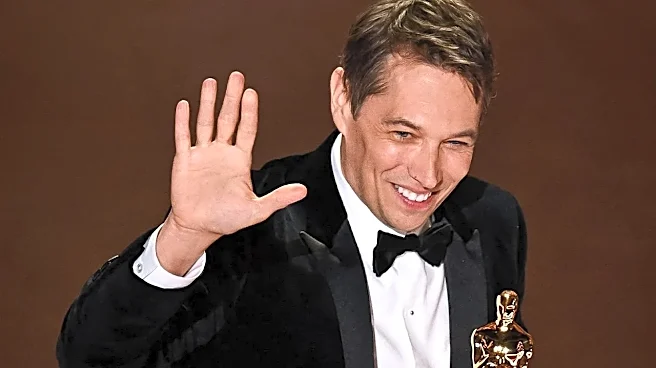
Historically, the Oscars aim for gravitas. Speeches often touch on the power of art, personal journeys, and sweeping social statements. At the 2026 Oscars, for example, Paul Thomas Anderson's speech for 'One Battle After Another' took a personal tone, discussing generational responsibility. While the Emmys have their share of emotional moments, there is a much higher tolerance for humor, irreverence, and rambling anecdotes. Merritt Wever’s iconic 12-second “I gotta go, bye!” speech is a classic Emmy moment that would be almost unimaginable at the Oscars. The medium of television is often faster and more populist, and its awards show reflects that with a lighter, more self-aware touch.
The Time Limit
One of the most practical, yet crucial, differences is the clock. The Academy Awards telecast is notorious for running over its allotted time. While producers try to keep speeches short, there's a tacit understanding that a powerful moment will be allowed to play out. The Emmys, however, operate under a stricter, less flexible broadcast schedule. Winners are often warned to keep their remarks to 45 seconds or less, and the orchestra is notoriously quick to play people off. This intense time pressure contributes to the frantic, list-reading style of many Emmy speeches and makes longer, more thoughtful moments a rarity.