
The People’s Choice Era
In the mid-2000s, podcasting was the Wild West of digital media. It was a space for hobbyists, tech geeks, and indie creators who were making radio for the internet in their basements. The awards landscape reflected this perfectly. Founded in 2005, the People's
Choice Podcast Awards were the definitive event. The concept was simple and revolutionary for its time: listeners nominated and voted for their favorite shows. The first ceremony in 2006 saw over 350,000 votes cast by the public. Winners weren't slickly produced narrative series from major studios, but rather pioneers like "This Week in Tech" and the sci-fi fan show "Slice of SciFi." The prizes themselves were often donation-driven, with one year's pool totaling a modest $3,500. It was an ecosystem built by and for the community, where a show's success was measured by the passion of its fan base, not its marketing budget.
The First Signs of Formalization
As podcasting’s audience grew, so did its legitimacy. Mainstream media organizations and established digital players started paying attention. The Webby Awards, a long-standing honor for internet excellence, began recognizing podcasts, lending a different kind of prestige. While the Podcast Awards were about listener passion, the Webbys were about critical acclaim from a panel of digital industry experts. Winning a Webby meant your show wasn't just popular; it was considered an important piece of digital culture. This period saw the rise of more polished productions from entities like NPR and early independent networks. The focus began to slowly shift from purely what listeners loved to what the burgeoning industry itself deemed excellent. The awards scene was no longer just a fan celebration; it was becoming a way for creators and producers to gain professional validation and attract the attention of advertisers.
The Red-Carpet Revolution
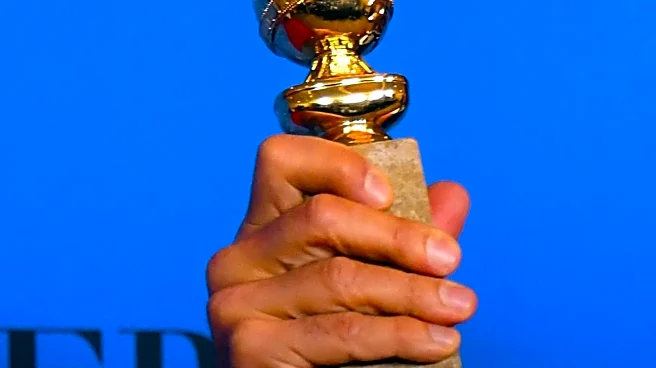
The modern podcast awards landscape is a different universe entirely. Today’s premier events, like the Ambies and the iHeartRadio Podcast Awards, are a far cry from the community-led voting of the early days. The Ambies, established by The Podcast Academy in 2020, were explicitly designed to be the "Oscars of podcasting," complete with a gold statuette and industry-insider voting. Similarly, the iHeartRadio Podcast Awards, founded in 2019 by one of the largest audio companies in the world, leverage massive promotional power and feature celebrity hosts. The nominees and winners at these events are often high-budget productions from major networks like Wondery, NPR, and Team Coco, or are hosted by A-list celebrities. Just this year, the Golden Globes even added a podcast category, with nominees including Dax Shepard and Amy Poehler, further cementing the medium's place in the mainstream entertainment machine.
What Was Gained, What Was Lost
This evolution from fan-voted forums to glitzy, industry-run galas is a natural part of podcasting's maturation. The upside is undeniable: professionalism has soared, production quality is often cinematic, and the medium now commands a level of respect and financial investment that was once unimaginable. Awards like the Ambies and iHeart's signal to the broader entertainment world that audio storytelling is a serious art form. However, early fans can’t help but feel a sense of loss. The modern awards landscape, with its high entry fees and focus on major players, risks alienating the very independent creators who built the medium. Critics argue that the most-marketed podcasts now have a significant advantage over the hidden gems, making genuine discovery through awards less likely. The old system, for all its quirks, was a powerful engine for elevating unknown voices based purely on listener enthusiasm—a democratic spirit that feels increasingly distant in today's star-driven audio world.