
The Underwhelming Scrub Session
Body scrubs are a staple of at-home spa days and weekly routines, promising to slough away dull, dry skin and reveal a radiant glow. We envision emerging from the shower with skin as smooth as polished marble. The reality, however, can sometimes be less
impressive. You might scrub diligently only to find your skin feels just okay, or that rough patches on your elbows and knees stubbornly remain. This happens when the scrub has to work too hard, fighting through layers of surface dryness before it can effectively polish the skin. Too often, we treat exfoliation as a one-step process—just rub it on and rinse it off. But an effective routine is a sequence, and the most important part might just be what you do before you even turn on the water.
The Real Game-Changer: Prepping the Canvas
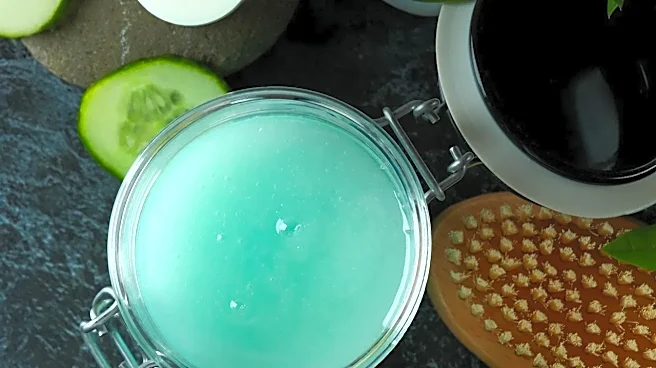
The hidden step that transforms a good exfoliation into a great one is pre-treating your skin with a dry brush. Before you even step into the shower, using a natural bristle brush on completely dry skin works to loosen the outermost layer of dead cells. Think of it like dusting a surface before you polish it. This preliminary step sweeps away the loose, flaky debris, clearing the way for your body scrub to do its more intensive work on the skin beneath. This simple act not only makes your scrub more effective but also boosts circulation and stimulates lymphatic drainage, which can help improve your skin's overall tone and texture. Many people exfoliate in the shower, but starting before the shower is what separates a standard routine from a professional-feeling ritual.
Your New, Unbeatable Exfoliation Routine
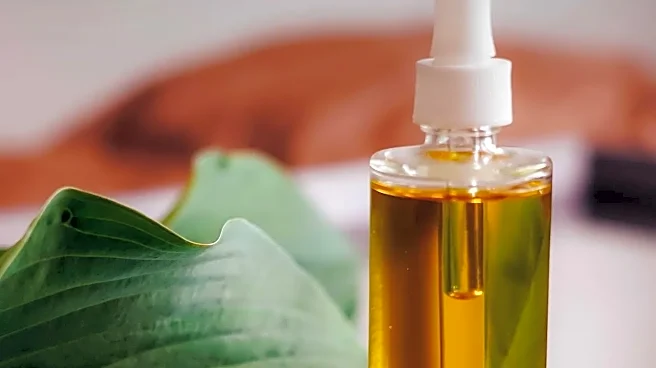
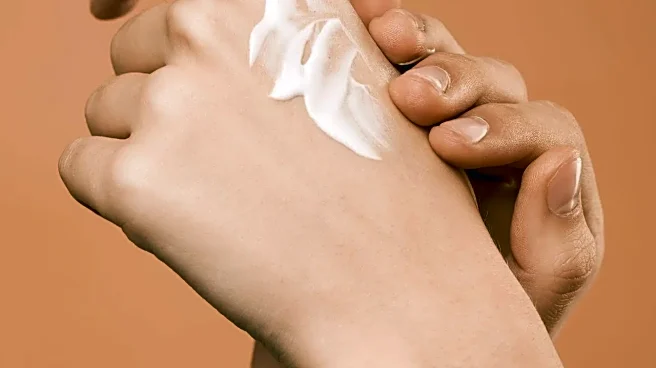
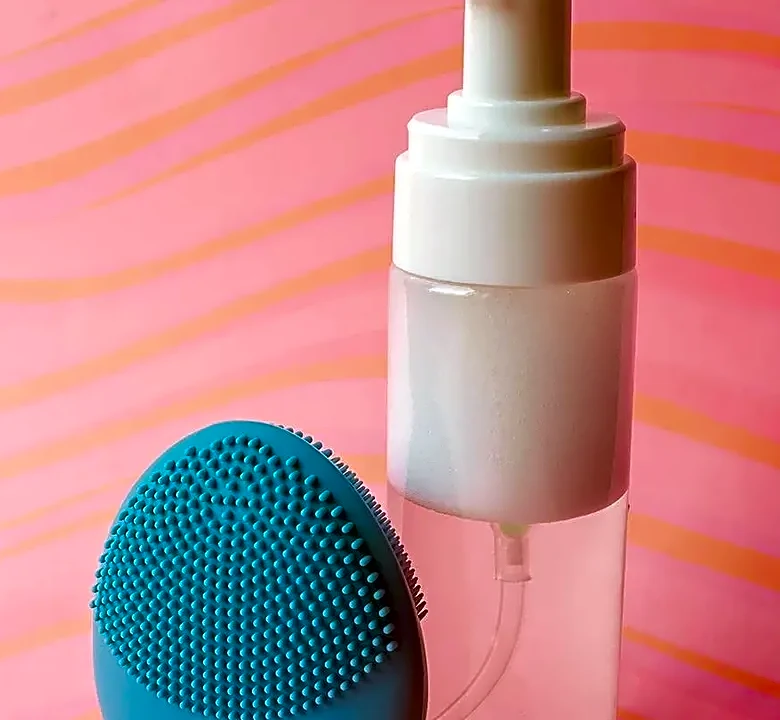
Ready to put it all together? Integrating this hidden step is simple and turns your regular shower into a far more effective skin-smoothing treatment. 1. Start Dry: Before turning on the shower, grab your dry brush. Beginning at your feet, use long, sweeping strokes and move upwards toward your heart to boost circulation. Use gentle but firm pressure, moving over your legs, arms, and torso. Use circular motions on areas like your abdomen and shoulders. This should feel invigorating, not harsh. 2. Warm Up and Cleanse: Now, step into the shower. Before reaching for your scrub, first cleanse your body with your regular body wash. This removes surface-level sweat, oil, and grime, ensuring your scrub is applied to a clean canvas. Letting the warm water and steam soften your skin for a few minutes also helps open up pores. 3. Scrub Smart: With your skin clean and damp—not soaking wet—it's time to exfoliate. Apply a generous amount of your scrub and massage it in gentle, circular motions for about 30 seconds per area. Let the abrasive particles in the scrub do the work; there's no need for aggressive pressure, which can cause irritation and micro-tears. 4. Rinse and Moisturize: Rinse the scrub off thoroughly with lukewarm water. Once you're out of the shower, pat your skin gently, leaving it slightly damp. Immediately apply a hydrating body lotion or oil to lock in moisture and nourish your newly revealed skin cells. Skipping this final step is a common mistake that can leave exfoliated skin feeling tight and dry.
Making the Most of Your New Method
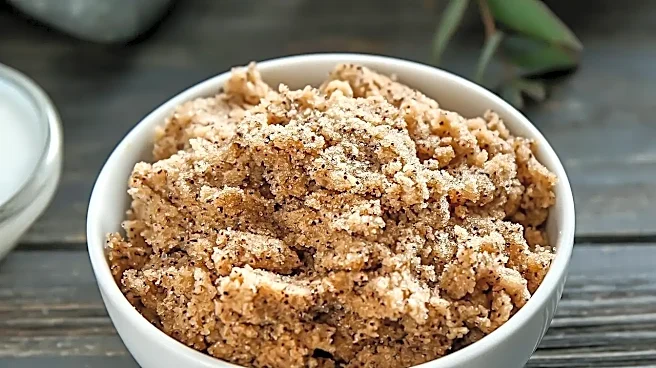
For this method to work best, choose a dry brush with firm, natural bristles that aren't painfully sharp. When it comes to your scrub, this prep step works well with any type, whether it’s sugar, salt, or coffee-based. Because dry brushing has already done some of the work, you may find you need less pressure during the scrubbing phase to get a better result. How often should you do this? Most experts recommend a full exfoliation routine like this one to two times per week. Those with sensitive skin may prefer to stick to once a week, while areas with thicker skin, like your heels and elbows, might appreciate the attention more frequently. Listen to your skin and adjust as needed, but avoid the temptation to over-exfoliate, which can lead to irritation.