


The Scent of Water Itself
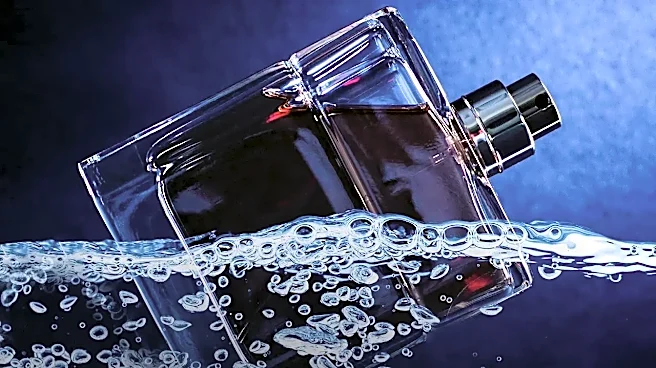
So, what exactly is an aquatic fragrance? At its core, it’s a scent built to evoke the sensation of water—the ocean, a clean rain, or a cool breeze off the coast. Unlike perfumes based on flowers or woods, aquatics couldn't truly exist until modern science
stepped in. The revolution began in the late 20th century with the development of synthetic molecules, most notably Calone, which was discovered in 1966. This molecule mimicked the fresh, slightly salty, and airy scent of the sea, giving perfumers a completely new palette to work with. The result was a family of fragrances defined by notes of sea salt, marine air, and watery fruits like melon and cucumber. They are prized for feeling clean, crisp, and invigorating without being overpowering.
A Fresh Rebellion
The rise of aquatics in the late 1980s and early 1990s wasn’t an accident; it was a reaction. The 80s were the era of big, loud, opulent perfumes—think heavy spices and room-filling florals. By the end of the decade, tastes were shifting toward something cleaner and more minimalist. Davidoff’s Cool Water, launched in 1988, became a landmark, defining the fresh, aromatic aquatic for a generation of men. It was soon followed by a wave of others, including Giorgio Armani's Acqua di Gio in the mid-90s, which solidified the category's mass appeal. These scents offered an escape, a feeling of transparency and simplicity that stood in stark contrast to the preceding era’s olfactory excess. They became symbols of modernity and a relaxed, understated confidence.
The Psychology of 'Clean'
A key reason for the aquatic family's staying power lies in its deep connection to the concept of cleanliness. Our brains are wired to associate certain smells—like citrus and fresh, airy notes—with hygiene, safety, and order. This isn't just about smelling like soap; it's about signaling something more fundamental. A clean scent can subconsciously suggest that a person is put-together, professional, and considerate of those around them. In a workplace or a crowded space, a heavy, polarizing fragrance can be distracting. An aquatic scent, however, rarely feels overwhelming. It creates an aura of freshness and composure, a subtle signal of intentionality that works almost invisibly.
Fads Fade, Foundations Remain
While other trends have peaked and dipped—from the sugar-bomb gourmands of the early 2000s to the heavy, resinous ouds that dominated the 2010s—aquatics have remained a constant. Their versatility is a major factor. An aquatic fragrance is suitable for warm weather, the office, casual weekends, and nearly any situation where a light, non-cloying scent is preferred. While a rich vanilla or smoky wood scent might feel out of place on a hot summer day, the crispness of a marine fragrance almost never does. This adaptability has allowed aquatics to become a foundational part of a modern fragrance wardrobe rather than a fleeting fashion statement.
The New Wave of Aquatics
The category isn’t static; it continues to evolve. While the classic calone-heavy scents of the 90s are still popular, modern perfumers are creating more complex and nuanced interpretations. Today's aquatics might feature a stronger mineral or salty profile, blending marine notes with earthy vetiver, dry cedarwood, or green botanicals to create a more sophisticated experience. These newer compositions move beyond just a simple “beach” smell, instead evoking everything from a misty coastal forest to a lush garden after a rainstorm, proving the category's creative potential is far from exhausted.