

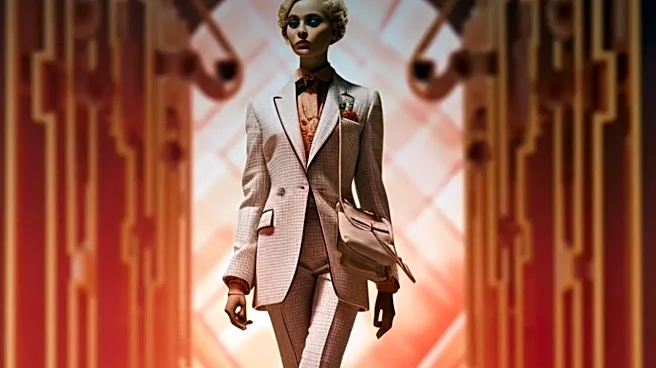
That nagging feeling that you have a closet full of clothes but nothing to wear is often a sign of something other than a need to shop. The secret to a modern, revitalized look is frequently found not in new tags, but in new proportions.
What 'Proportion' Really Means in Style
In fashion, proportion
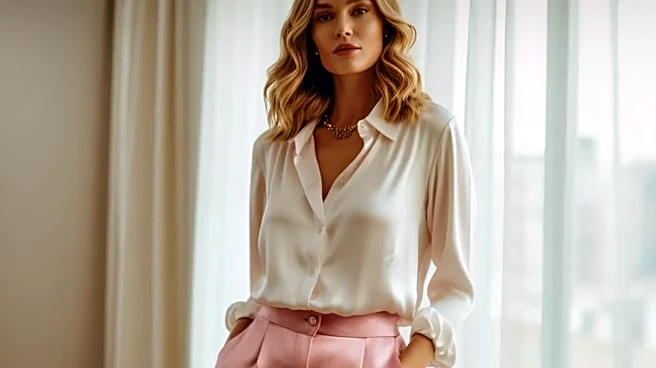
isn't about your body size; it's about the relationship between the shapes, lengths, and volumes of your clothes. Think of it as the overall outline your outfit creates. Getting this right is what makes an outfit feel intentional and current, while getting it wrong is why perfectly good clothes can sometimes feel 'off' when you put them together. The most foundational concept is the 'rule of thirds', a principle borrowed from visual arts, which suggests that outfits are more visually appealing when they are broken into a 1/3 to 2/3 ratio, rather than a 50/50 split. A boxy top that ends at the same place as your trousers' waist can cut you in half visually. A tucked-in shirt or a high-waisted pant, however, creates that more dynamic 1/3 to 2/3 look.
Balance Volume: One 'Big' Thing at a Time
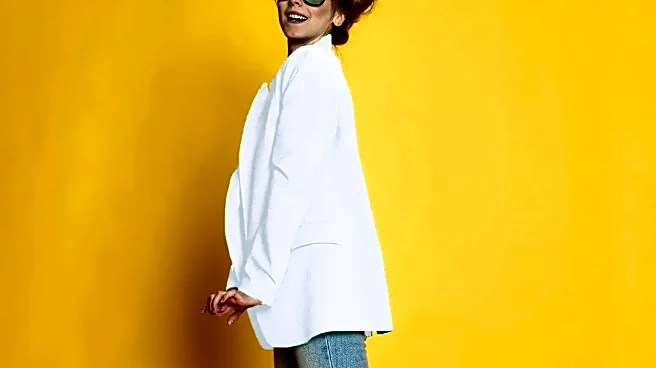
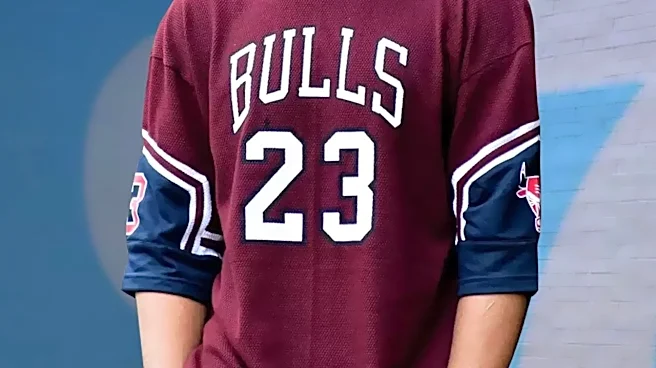
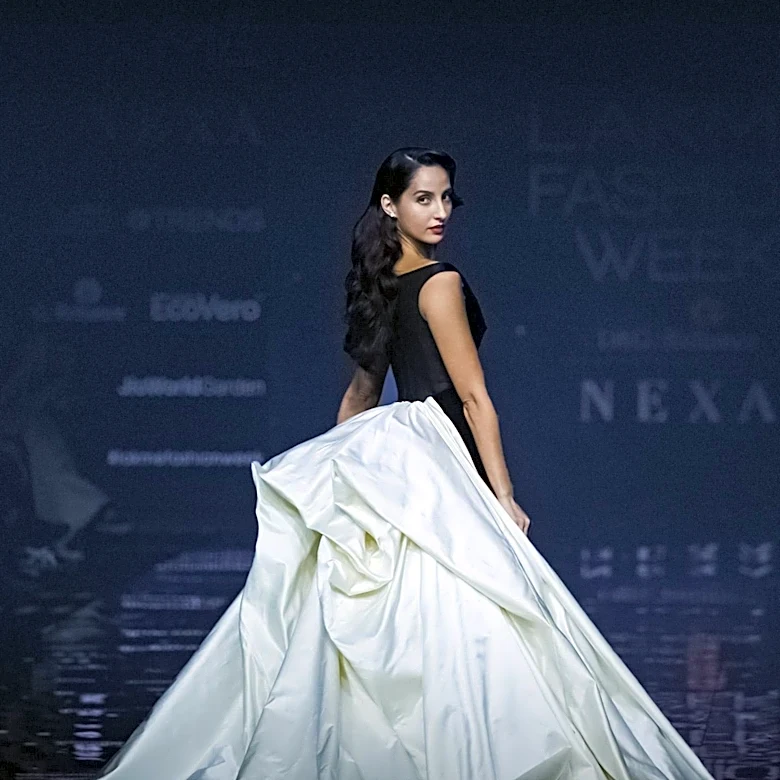
One of the simplest ways to master proportion is to balance volume. If you're wearing something oversized or billowy on top, keep the bottom half slim and fitted. Pair that slouchy sweater or oversized blazer with tailored trousers or straight-leg jeans. Conversely, if you're wearing wide-leg pants or a full skirt, pair it with a fitted top, like a simple tank or a tailored blouse, to maintain your shape. This principle prevents your frame from being overwhelmed by fabric and ensures the outfit has a clear focal point. Giving an oversized outfit some structure, like pairing a voluminous piece with something more defined, creates a deliberate contrast that looks both relaxed and put-together.
The Power of the Tuck and the Belt
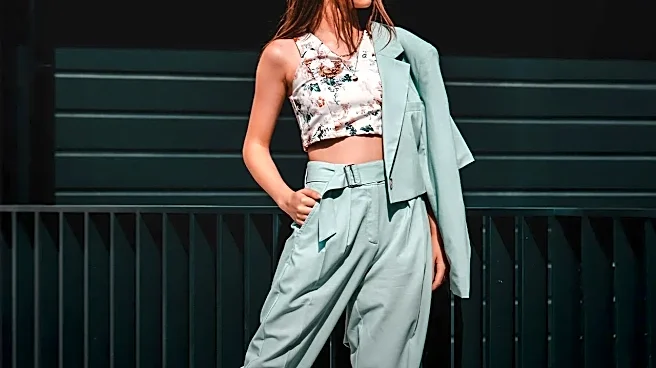
Defining your waist is the quickest way to change your proportions. A simple tuck can instantly transform a look from sloppy to sharp. There are several ways to do it: a full tuck provides a clean, polished line, while a 'French tuck' (tucking just the front part of your shirt) offers a more relaxed but still intentional vibe. Even knotting a loose shirt at your waist can have the same effect. Belts are another powerful tool. Adding a belt over a dress, a blazer, or even a cardigan immediately creates an hourglass shape and brings structure to looser garments. This small adjustment draws the eye to the waist, creating that classic 1/3 to 2/3 proportion and making the entire outfit feel more balanced.
Mind Your Hemlines and Cuffs
Where your clothes end makes a huge difference. The length of your jacket, the hem of your pants, and the sleeves of your shirt all play a crucial role in the overall silhouette. For instance, rolling or pushing up your sleeves to expose your forearms can make a blazer or sweater feel more casual and less bulky. Similarly, showing a sliver of ankle by cuffing your jeans or choosing a cropped pant length can completely change the feel of an outfit, making it appear lighter and more modern. This is because these small glimpses of skin break up the visual line of the fabric. Pay attention to where jackets hit your hip; a length that cuts you off at your widest point can be less flattering than one that is either shorter or longer.
Use a 'Third Piece' to Add Structure
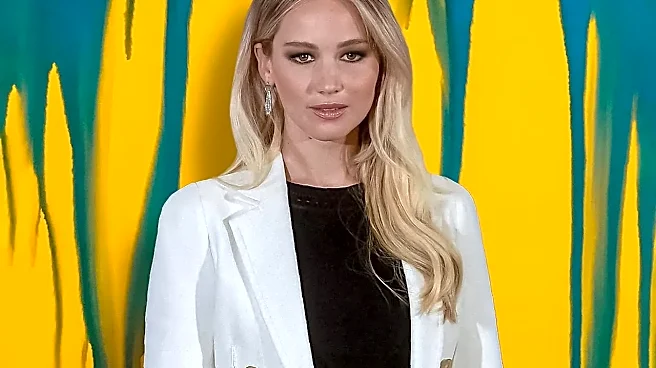
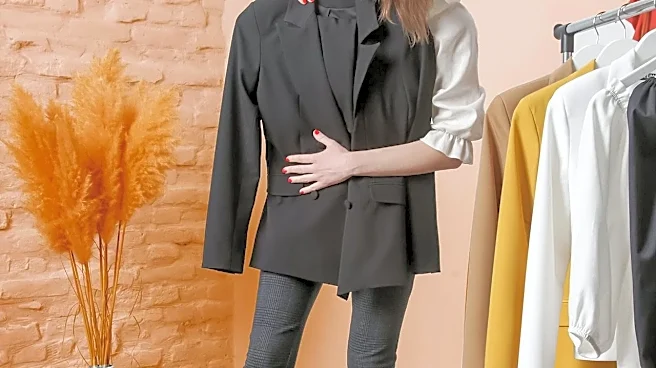
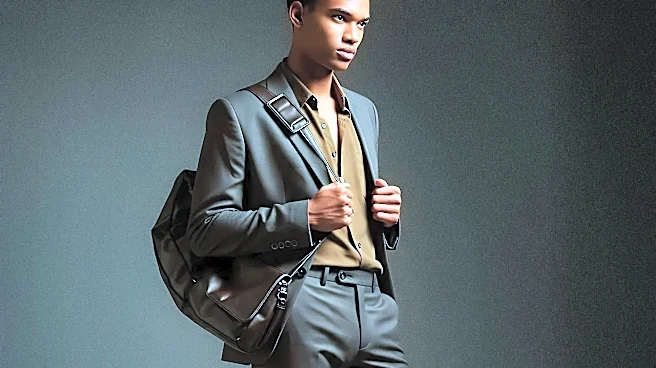
Stylists often talk about the 'third piece rule', where an outfit is elevated from a simple top-and-bottom combination to a complete 'look' with the addition of one more item. This third piece—be it a blazer, a vest, a cardigan, or even a scarf—is a powerful tool for manipulating proportion. An open jacket or cardigan, for example, creates two strong vertical lines down the front of your body, which has an elongating effect. A cropped jacket can raise your visual waistline, while a longer duster coat can create a sleek, cohesive column, especially when worn over an outfit of a single color. This finishing piece doesn't just add interest; it actively shapes the entire look.