





The Golden Rule of Layering
The most fundamental principle of layering is to dress from the lightest fabric to the heaviest. Think of it as building an outfit in stages, where each layer serves a purpose without adding unnecessary volume. Your base layer, the one closest to your
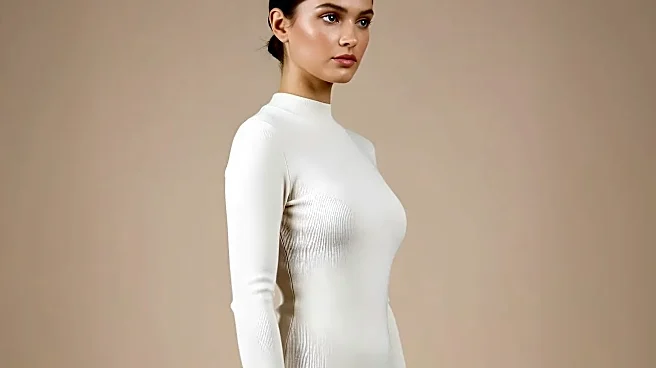
skin, should be the lightest and most breathable. This might be a silk camisole, a fine-gauge merino wool turtleneck, or a sleek bodysuit. These pieces provide a smooth foundation, regulate temperature, and won’t bunch up under whatever you put on next. The goal is to start with something that feels like a second skin, creating a streamlined silhouette from the very beginning.
Decoding Fabric Weight Without a Scale
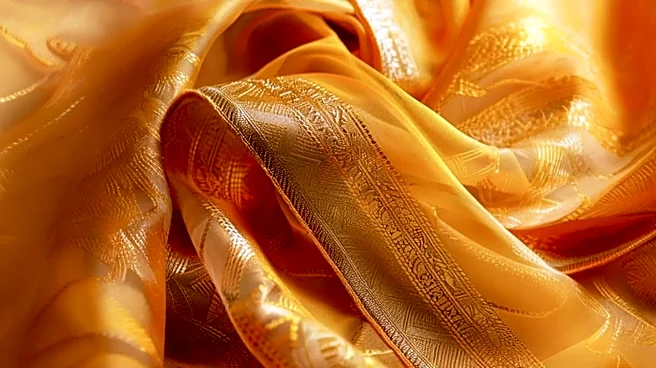
You don't need to be a textile expert to understand fabric weight. While manufacturers use a metric called GSM (grams per square meter) to measure a fabric's density, you can often judge it by feel. Lightweight fabrics, like chiffon, silk, or fine cotton, feel airy and have a fluid drape. Medium-weight fabrics, such as denim, thicker cottons, or many wools, feel more substantial and structured. Heavyweight fabrics, like thick wool coats or canvas, are dense and hold their shape firmly. For parties, you're primarily living in the lightweight to medium-weight world. A low-GSM fabric feels light and often has a soft, flowing drape, making it ideal for garments that hang loosely, while a higher-GSM fabric feels more substantial and provides structure.
Building Your Perfect Party Trio
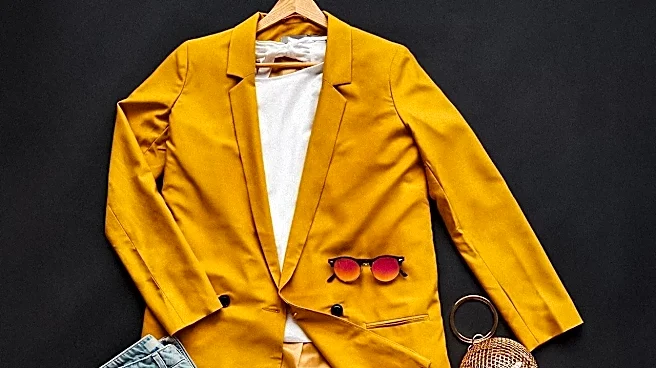
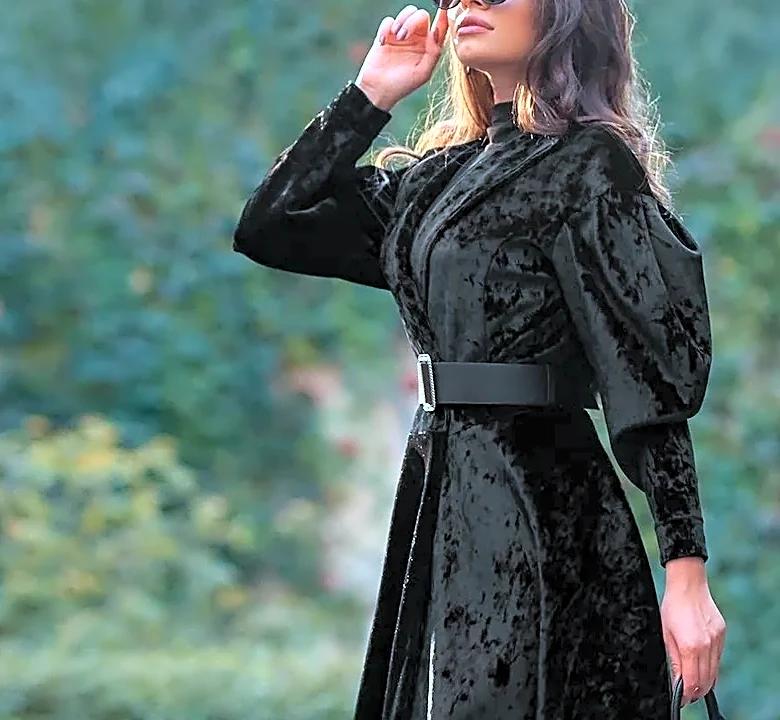
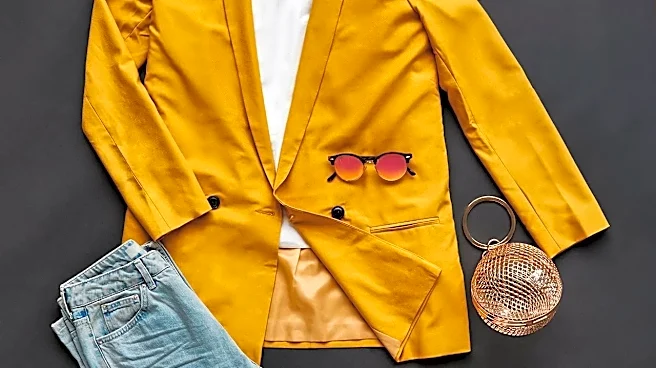
Stylists often rely on a three-part system: the base, the mid-layer, and the outer layer. Your base is that featherlight first piece. The mid-layer is your personality piece—a cashmere cardigan, a structured blazer, or an open silk blouse. This layer adds warmth and visual interest. Its weight should be substantial enough to stand on its own but not so heavy that it crushes your base layer or restricts movement. Finally, the outer layer, like a trench coat or wool overcoat, is your shield against the elements. It should be the heaviest piece, designed to be removed once you're inside. By ensuring each layer is progressively heavier, you create a balanced, functional, and stylish look that you can easily adjust as the temperature changes.
It's Not Just Weight—It's Texture and Drape
While weight is the primary rule, don't forget about texture and drape. Combining different textures makes an outfit look more intentional and visually dynamic. Pairing a smooth silk camisole with a soft, fuzzy cashmere cardigan, or a crisp cotton shirt with a leather jacket, creates contrast that elevates the entire look. Drape refers to how a fabric hangs. A lightweight but stiff fabric can be more difficult to layer than a slightly heavier but softer material like rayon or a wool blend. Fabrics that drape well, such as silk, georgette, or jersey knits, are your best friends for layering because they conform to your body rather than adding rigid bulk.
Putting It All Together for the Night
Imagine this outfit: you start with a silk or fine-knit tank top (lightweight). Over that, you add a tailored blazer in a wool-blend (medium-weight). Your outerwear is a classic wool coat (heavyweight). When you arrive, you remove the heavy coat, leaving a polished, two-layer outfit that's perfect for indoors. If you get warm while dancing, you can drape the blazer over your shoulders. This system ensures you are never too hot or too cold, and each iteration of the outfit looks deliberate and chic. The key is that thinner, high-quality fabrics often provide significant warmth without the volume of a single chunky knit sweater.