

The Illusion of Intent
First, let's establish a core principle: the power of an oversized garment comes from looking deliberate. When you wear something big, you have to send a clear signal that you chose it for its volume and shape, not because your tailor is on vacation.
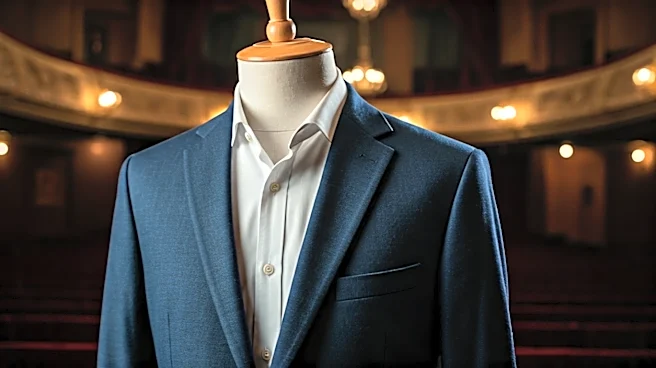
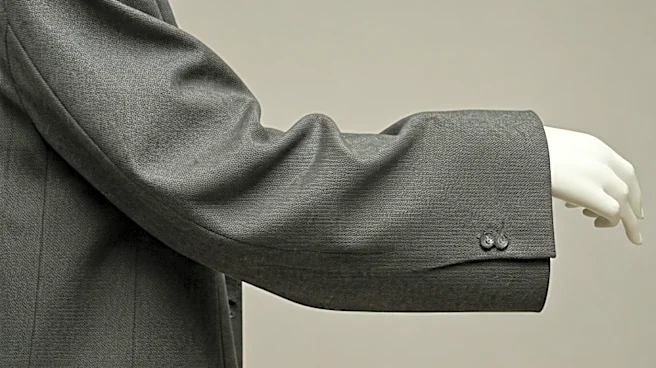
An oversized blazer that just hangs off the body can easily swamp your frame, making the entire outfit feel accidental. This is where the sleeve break comes in. By exposing a sliver of your wrist or the cuff of the shirt underneath, you introduce a point of structure and intention. It’s a subtle but powerful cue that says, 'Yes, the jacket is big. That’s the point.' It grounds the entire look, transforming potential sloppiness into confident, calculated style.
Finding the Perfect Break Point
So, where should the sleeve end? Unlike a classic, fitted blazer where the sleeve should hit the top of your wrist bone, the rule for an oversized blazer is about creating contrast. The ideal break point is slightly higher, exposing about an inch or two of your wrist. Think of the spot where you’d wear a watch. This length achieves two critical things. First, it prevents the sleeves from looking comically long, which is the fastest way to kill the look. Second, it creates a visual 'breathing room' that keeps you from disappearing inside the garment. Whether you push the sleeves up, cuff them, or have them tailored, aiming for that spot just above the wrist bone is the key. It’s a visual anchor that balances the blazer’s generous proportions.
The Visual Magic of the Wrist
Stylists have known this trick for decades: the wrist is one of the narrowest points on the body. By showcasing it, you create a powerful point of contrast against the volume of the blazer’s sleeve. This small glimpse of skin or a fitted shirt cuff serves as a reminder of the actual human form underneath all that fabric. It has a slimming, elongating effect on the entire arm, which in turn helps balance the boxy, broad-shouldered silhouette of the jacket. Without this break, the eye follows an uninterrupted line of bulky fabric from shoulder to knuckle, which can make you look shorter and wider than you are. The exposed wrist breaks that line, adds a touch of delicacy, and keeps the overall silhouette from becoming overwhelming. It’s the sartorial equivalent of an exclamation point at the end of a sentence—it provides definition and finality.
Your Options: Push, Roll, or Tailor
Achieving the perfect sleeve break doesn't always require a trip to the tailor. You have three main options, each with its own vibe. The 'scrunch' or 'push-up' is the most common and creates an effortless, undone feel. It’s perfect for a casual look, suggesting you just rolled up your sleeves to get down to business. The 'cuff' or 'roll' is more structured. A single, wide cuff or a few tight rolls can add a bit of weight to the sleeve's end and feels a bit more considered and polished. This works especially well if the blazer has a contrasting lining you want to show off. Finally, there's tailoring. If you've found the perfect oversized blazer that you'll wear for years, investing in getting the sleeves professionally shortened is a smart move. This gives you the perfect break every time without any fuss, ensuring the blazer always looks intentional and perfectly proportioned to you.