



The Perfect, Painful Goodbye
To understand the coming argument, we have to go back to that rain-slicked carousel at the end of 2019’s Toy Story 4. After years of defining himself by his loyalty to a kid—first Andy, then Bonnie—Woody makes a revolutionary choice. He decides not to get
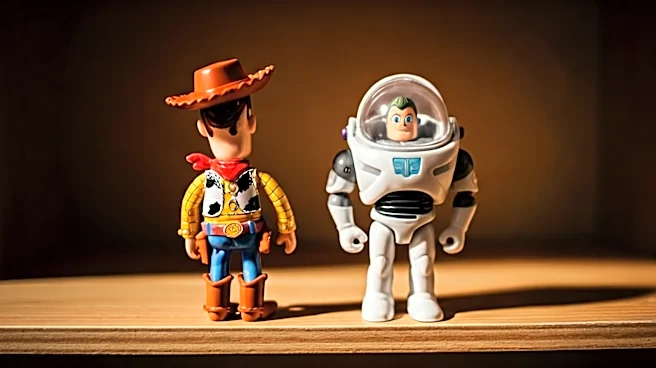
back in the RV with Buzz, Jessie, and the gang. Instead, he stays with Bo Peep to live a new life as a “lost toy,” helping prizes find children at the carnival. The final shot is of two best friends, Woody and Buzz, saluting each other from across a vast distance before turning toward their separate futures. For many, this was the poignant, mature culmination of Woody’s entire four-film arc. He finally learned that his purpose wasn't tied to a single child's bedroom; it was his own to define. It was a bittersweet but narratively perfect conclusion, a graduation. And for a sequel to a trilogy that already had a seemingly perfect ending, it was a creative masterstroke.
The Case for Betrayal
This is where the first side of the argument plants its flag. For those who believe Toy Story 5 is a betrayal, the issue is simple: bringing Woody back into the fold cheapens the sacrifice and growth he demonstrated in the fourth film. His decision to leave his family was gut-wrenching *because* it was permanent. It was the thematic thesis of the movie: letting go is a part of life, and personal happiness is a valid pursuit, even if it means changing who you are.
A fifth film that contrives a reason for the old gang to reunite risks undermining that powerful message. Will some new, world-ending threat force Woody to abandon his new life and purpose? If so, it suggests his personal freedom was merely temporary, a vacation before being called back to duty. This perspective sees a new sequel not as a continuation, but as a regression—a safe, nostalgic retreat driven by commercial necessity rather than creative impulse. It walks back the boldest narrative choice the franchise ever made, effectively saying, “Just kidding.”
The Case for an Honorable Return
The counter-argument is more optimistic, framing Toy Story 5 not as a reversal but as an evolution. This view holds that the soul of Toy Story was never just Woody's journey; it was about the community of toys and the enduring power of their friendship. Woody leaving wasn't an end to his story, but the beginning of a new chapter. A reunion doesn't have to erase his growth. In fact, it could reinforce it.
Imagine a Woody who returns not out of old obligations, but as a changed and more worldly leader. He could be the one to help Buzz and the gang navigate a problem that his old self wouldn't have understood. Tim Allen, the voice of Buzz Lightyear, has fanned these flames, telling The Movie Dork that a “very, very interesting” story idea got him on board. He hinted that the script asks questions like, “What if the whole thing was in a dream? What if it wasn't?” This suggests Pixar is at least aware of the challenge and is trying to find a clever, respectful way to bring the characters back together. From this perspective, the bond between Woody and Buzz is the franchise's true center, and exploring how that friendship endures despite distance isn't a betrayal, but the most 'Toy Story' idea of all.
Pixar's Sequel Dilemma
This isn't new territory for Pixar. The studio has built its reputation on crafting near-perfect, self-contained stories, making sequels an inherently risky proposition. Finding Dory had to justify its existence years after Finding Nemo’s airtight father-son narrative concluded. Incredibles 2 faced the monumental task of living up to a 14-year-old legacy. In both cases, the studio succeeded by focusing on a different character or theme, expanding the world rather than just repeating it.
Toy Story 5 faces the biggest challenge of all. It’s not just a sequel; it’s a sequel to an ending that was itself a sequel to a perfect ending (Toy Story 3). Pixar's Chief Creative Officer Pete Docter acknowledged this, stating the studio's approach to sequels is to make them because there's a new story worth telling, not just for the sake of it. The success of the fifth film will entirely depend on whether the creative team found a premise that truly justifies Woody's return, or if it feels like a mandate from the corporate boardroom.