
The Symbol vs. The Function
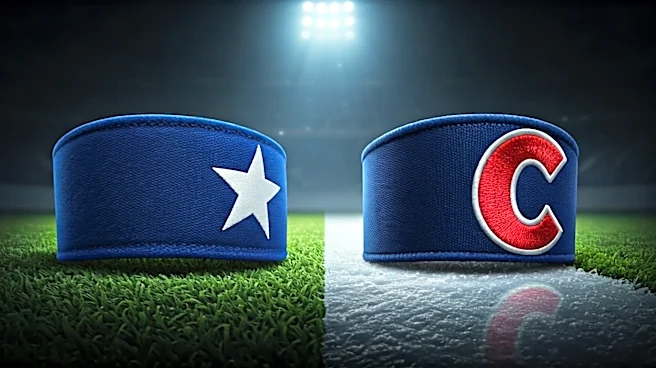
The most visible difference is the insignia itself. In hockey, the captain’s “C” (and the alternates’ “A”) is stitched directly onto the jersey. It’s a permanent, almost sacred part of the uniform, signifying
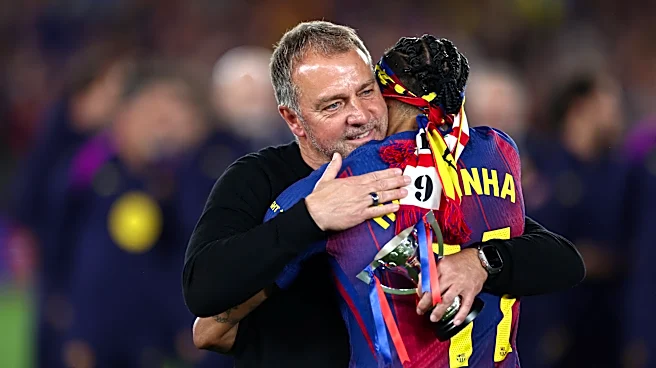
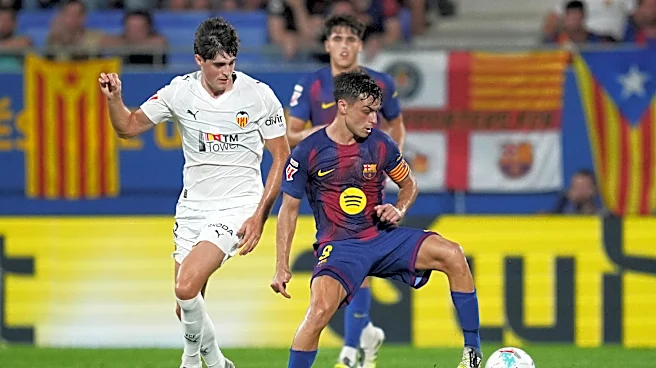
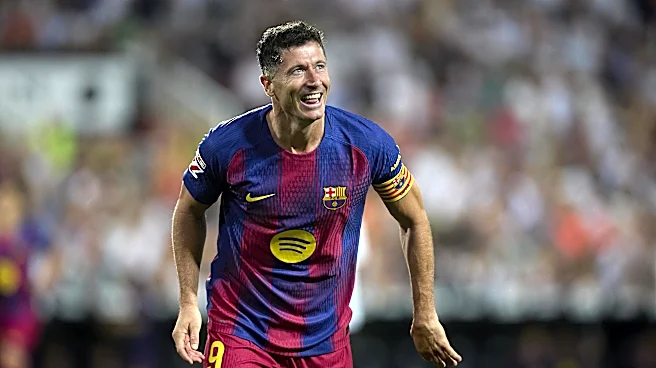
a player chosen by the organization to be its heart and soul for a season or, often, for years. Think of icons like Sidney Crosby or Mark Messier—the “C” is part of their identity. It designates them as the primary voice in the locker room and the face of the franchise. In soccer, the captaincy is designated by an armband. While it carries honor, it’s also more functional and can be more fluid. It can be passed to another player if the captain is substituted, and its selection is often the manager’s decision for a specific match or season, sometimes based on seniority or on-field role rather than a grand, organizational anointing. While a legendary captain like Carles Puyol at Barcelona is revered, the armband itself is a tool for on-field management as much as a permanent badge of honor.
The Referee's Emissary
Herein lies a crucial, rule-based distinction. The NHL rulebook explicitly states that only the captain (or an alternate, if the captain is not on the ice) has the privilege of discussing a rule interpretation with the referee. This creates a formal, structured dialogue. It prevents chaos and funnels all communication through one designated, respected leader. A hockey captain who effectively manages this relationship can be a huge asset, calming volatile situations and getting crucial clarity from the officials. Soccer is… different. The Laws of the Game identify the captain as having a degree of responsibility for their team's behavior, but there’s no exclusive right to speak to the referee. This leads to the familiar, chaotic scene of multiple players swarming an official to protest a call. While the captain is *supposed* to be the primary conduit and is often the one called over by the ref to control his players, any player can, and often does, offer their opinion. The soccer captain’s role is more about managing their own team’s emotions than having a formal, exclusive chat with the official.
The On-Field Coach
The flow of each game dictates a huge part of the captain’s duties. Soccer is a fluid, continuous 90-minute drama with few stoppages. The manager is a distant figure on the sideline. In this environment, the captain often functions as a coach on the field. They are responsible for organizing the defensive shape, demanding higher pressure, adjusting positioning on the fly, and communicating tactical shifts across the vast expanse of the pitch. A center-back or central midfielder is often chosen for this role, as they have a commanding view of the entire field and can direct play. Hockey, by contrast, is a game of explosive, 45-second bursts. With line changes every minute and the coach standing just feet away on the bench, direct tactical instruction is constant. The hockey captain's in-game leadership is less about organizing formations and more about setting the tone. They lead by example with their intensity, a crucial blocked shot, or a physical play to shift momentum. Their coaching happens on the bench between shifts and in the locker room between periods, not as a field general directing formations in real time.
A Lone Leader vs. A Leadership Group
Hockey formally institutionalizes a leadership group. Every team has one captain and usually two alternate captains. This structure ensures that a designated leader is almost always on the ice and available to interface with officials. It also creates a clear internal hierarchy for mentoring younger players and policing the locker room. The responsibility is shared among a defined trio or quartet chosen by management and, often, their peers. Soccer’s structure is typically a single captain with a vice-captain or a “leadership group” that is more informal. While senior players will naturally hold influence, there's no “A” on the jersey of the second-in-command. The captain is the singular, designated leader on the pitch. This can place immense pressure on one individual to manage every on-field crisis, from a defensive breakdown to a teammate losing his cool. The leadership is more concentrated, resting squarely on the shoulders of the player wearing the armband.