



Mohair: The Fuzzy Sculptor
If you’ve seen a men’s sweater recently that looked less like a garment and more like a wearable cloud, chances are you were looking at mohair. Sourced from the fleece of the Angora goat, mohair is known for its distinctive fuzzy “halo” and brilliant
luster. It’s lightweight but offers incredible volume, allowing designers to play with proportions in ways that traditional wool or cashmere can’t. In the context of the modern Paris silhouette, mohair is the key to softness and subversion. Designers like Dries Van Noten or Marni use it in oversized cardigans and sweaters that blur the body’s outline, creating a gentle, almost ethereal shape. This isn't about sharp, masculine lines; it’s about comfort, texture, and a certain vulnerability. A mohair piece can make a broad-shouldered coat feel less rigid or a simple crewneck look intentionally artful and deconstructed. It’s the fabric of choice for adding a touch of the beautifully undone, transforming a standard shape into a statement of soft, tactile luxury.
Gabardine: The Architectural Drape
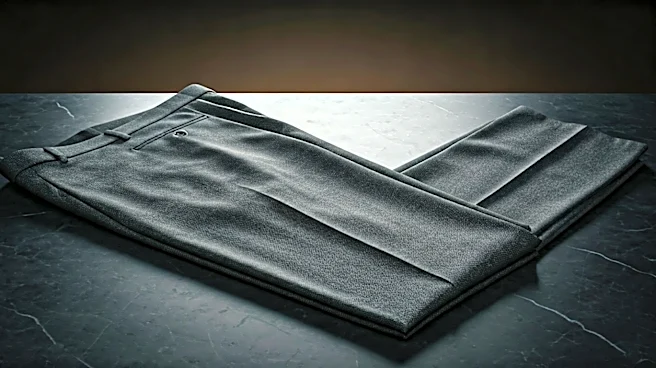
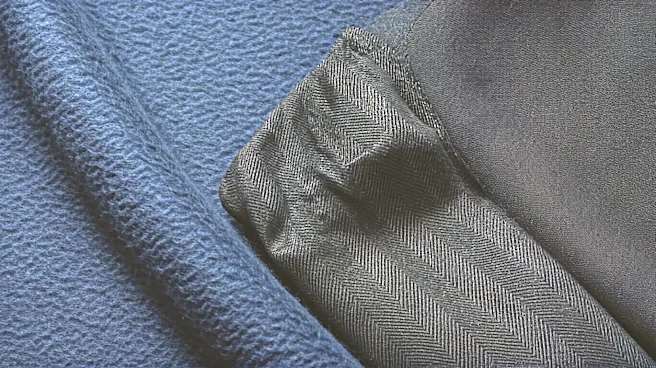
At the opposite end of the spectrum from mohair’s soft fuzz is gabardine’s crisp precision. Invented by Thomas Burberry in the late 19th century as a waterproof and durable material for trench coats, gabardine is a tightly woven twill fabric, usually made of cotton or wool. Its defining characteristic is its firm, elegant drape and ability to hold a sharp line. When you think of a classic trench coat with its clean lapels and structured shoulders, you’re thinking of the magic of gabardine. Today’s Paris designers are using it for far more than outerwear. Gabardine is the workhorse behind the new tailored silhouette. Look to brands like Dior and Lemaire, and you’ll find wide-leg trousers that fall with architectural precision, creating a perfect, clean break over a shoe. You’ll see unlined blazers and sharp-shouldered overcoats that maintain their form without heavy internal construction. Gabardine allows for structure without stiffness. It’s the fabric that enables designers to build a strong, defined silhouette that still moves with the wearer, embodying a kind of effortless, modern-day uniform.
Technical Nylon: The Futuristic Utility
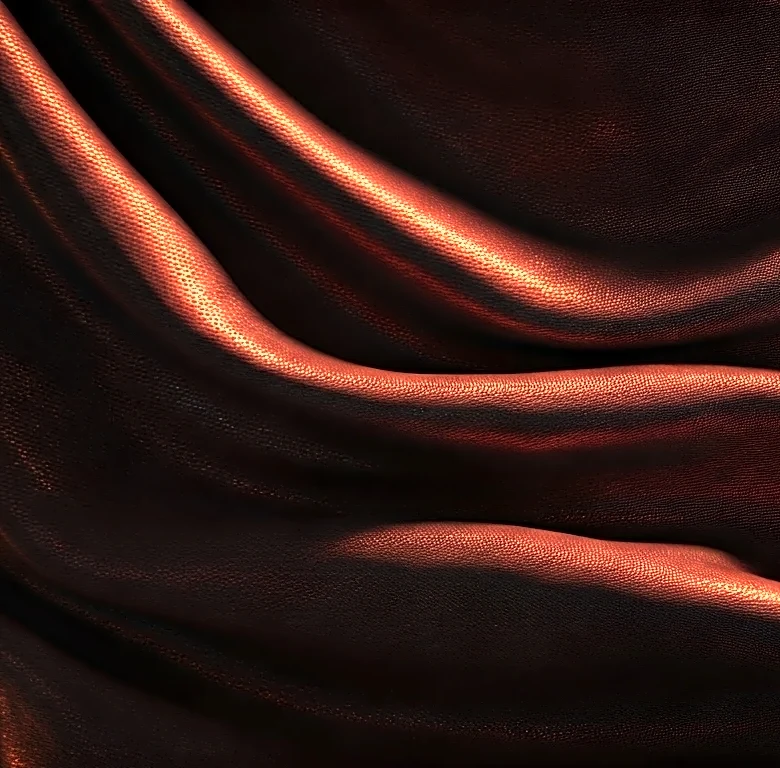
No discussion of the modern silhouette is complete without mentioning technical nylon. Once relegated to rain jackets and athletic gear, this synthetic powerhouse was elevated to high-fashion status largely by Miuccia Prada in the 1990s. Today, it’s a non-negotiable element of the Paris menswear landscape. Technical nylon—in all its forms, from crinkled and matte to shiny and smooth—speaks a language of function, speed, and the future. Its impact on the silhouette is profound. Because it's so lightweight and versatile, nylon allows for shapes that are both voluminous and barely-there. Think of an oversized, paper-thin parka from a brand like Rick Owens that billows behind the wearer like a parachute, or the sleek, body-conscious track pants and vests seen at houses like Alyx. Nylon introduces an element of performance and utility. It can be padded for warmth, left sheer for layering, or given a high-shine finish to catch the light. This fabric creates a silhouette that feels ready for anything—urban exploration, a sudden downpour, or an impromptu trip to the year 2049. It injects a dose of practical futurism into an industry often defined by tradition.