
More Than a Ticket
The transformation often starts with the humble wristband. Once a simple fabric strip for entry, it has evolved into a powerful piece of tech. Major festivals like Coachella and Lollapalooza were early
adopters of Radio Frequency Identification (RFID) wristbands. These aren't just for getting you through the gates faster; they are your wallet, your social key, and your ticket to a more connected experience. By linking the wristband to a pre-loaded account, attendees can make cashless payments for food, drinks, and merchandise with a simple tap, a system that can increase on-site spending by 15-30%. But the real magic happens when they're used for engagement. Some festivals have set up 'tap-to-share' stations where you can instantly post photos to your social media, bridging the gap between your physical and digital worlds.
The Augmented Reality Main Stage
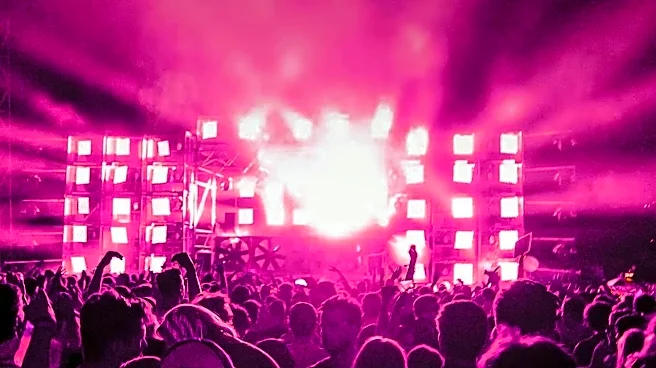
While wristbands streamline logistics, augmented reality (AR) is revolutionizing the spectacle. Artists and festival organizers are using AR to create immersive visuals that extend beyond the stage and into the crowd. By pointing their smartphones at the stage, fans can unlock another layer of reality, with synchronized animations and virtual elements appearing to interact with the live performance. Festivals are also creating dedicated AR zones and scavenger hunts accessible through the event's app. These digital overlays provide real-time information, guide you through the sprawling festival grounds with interactive maps, or reveal hidden virtual art installations, turning the entire venue into a dynamic, digital canvas. It’s a way to deepen fan engagement and extend an artist's creative vision directly into the hands of the audience.
Welcome to the Festival-Verse
This wave of interactivity is also fueled by gamification. Festival apps are no longer just for checking set times. They are becoming platforms for sophisticated games that encourage exploration and engagement. Attendees can complete challenges, answer trivia, or visit specific sponsor booths to earn points and climb a public leaderboard, with prizes for the winners. This strategy does more than just entertain; it provides organizers with a powerful tool to manage crowd flow, steering attendees toward less congested areas and increasing interaction with vendors and sponsors. It transforms the passive experience of attending a festival into an active, participatory adventure, creating a sense of community and friendly competition.
Art That Looks Back
The art installations, long a staple of festivals like Coachella and Burning Man, are also becoming more interactive. No longer just static sculptures, these large-scale works now often incorporate technology to react to the environment and the audience. We're seeing everything from massive LED walls with motion-reactive visuals that pulse with the music to digital graffiti walls where fans can contribute to a collaborative mural. At Coachella, recent installations have been explicitly designed to be 'deeply interactive,' creating new ways for the audience to connect with art and each other. These intelligent art pieces can use sensors and data to respond to the crowd's energy, blurring the line between observer and participant and making the audience an integral part of the spectacle.