

The Cathedral of Hype
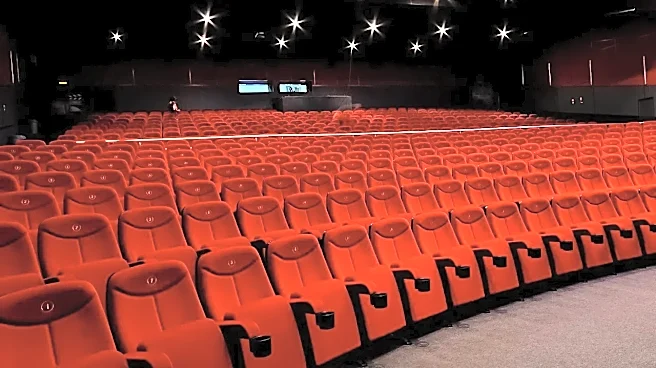
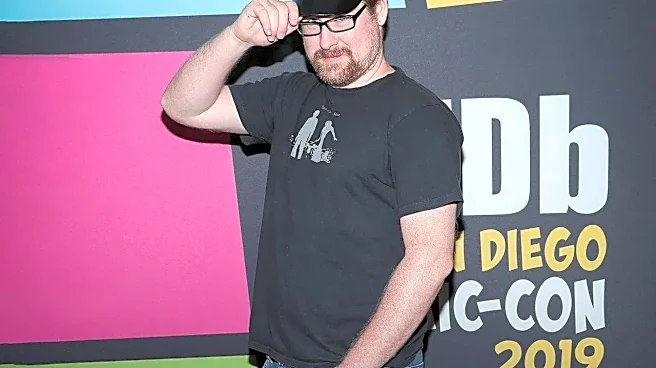
Imagine the scene: It's San Diego Comic-Con in the mid-2010s. For fans of comic books and blockbuster movies, Hall H is the center of the universe. It's a cavernous room where thousands of people, many of whom camped out overnight, gather to receive communion
from Hollywood. Studios treat their Hall H presentations as sacred events, rewarding the faithful with exclusive, never-before-seen footage. The unspoken rule, explicitly stated before every panel, was simple: what happens in Hall H, stays in Hall H. Cell phone recording was forbidden, a cardinal sin against the gods of marketing. This policy of exclusivity created a powerful mystique, turning trailers into forbidden fruit that the rest of the world was desperate to taste.
The 'Suicide Squad' Moment
In July 2015, Warner Bros. took the Hall H stage to promote its burgeoning DC Extended Universe. The buzz was immense, but it wasn't for Batman v Superman. It was for a film about a gang of supervillains forced to work for the government: Suicide Squad. The lights dimmed, and the screen filled with dark, moody, and utterly captivating images. There was Will Smith as Deadshot, a haunting Enchantress, and then, the reveal that sent the room into a frenzy: Margot Robbie as Harley Quinn. It was the character's first live-action appearance, and her brief, chaotic scenes instantly electrified the audience. The trailer culminated with a terrifying glimpse of Jared Leto's heavily tattooed Joker, who chillingly promised, "I'm not going to kill you. I'm just going to hurt you, really, really bad." The crowd erupted. Warner Bros. had a certified hit on their hands, meant only for the 6,500 people in the room.
The Leak Heard 'Round the World
Of course, it didn't stay in the room. Within hours, the digital dam broke. Shaky, grainy, and muffled phone recordings of the trailer began to surface online. They were terrible quality—blurry visuals, distorted audio drowned out by crowd cheers—but it didn't matter. For fans who couldn't make the pilgrimage to San Diego, this was mana from heaven. The bootlegs spread like wildfire across blogs, forums, and social media. Each takedown notice from Warner Bros.' anti-piracy team was met with a dozen new uploads. The poor quality didn't diminish the hype; it amplified it. It felt like watching a secret, something you weren't supposed to see, which made everyone want to see it more.
A Studio's Reluctant Surrender
For 48 hours, Warner Bros. played a frantic game of digital Whac-A-Mole. But they couldn't contain it. The grainy bootleg was defining the narrative around their film. Faced with a choice between having their movie represented by a poor-quality pirated video or breaking their own rule of exclusivity, the studio blinked. In a statement dripping with frustration, Warner Bros. President of Marketing Sue Kroll announced they would release the high-quality version officially. "We regret this decision," the statement read, lamenting that they could not "continue to allow the film to be represented by the poor quality of the pirated footage." It was a surrender, but also a paradigm shift. The power had moved from the studio's stage to the fans' phones.
The Anatomy of a Phenomenon
The officially released trailer didn't kill the conversation; it supercharged it. The high-definition footage of Harley Quinn, the enigmatic Joker, and the eclectic team fueled months of obsessive analysis, debate, and speculation. In an era before every movie had a dozen TV spots and clips released, this one trailer had to sustain the entire hype cycle. It dominated forums, inspired countless articles, and even surpassed the trailer for Batman v Superman in view counts. The dark, intriguing tone, so different from Marvel's output at the time, combined with the star-making turn for a beloved character, created a perfect storm of fan engagement that lasted far longer than the film's actual runtime.