

The Reign of Sculpted Matte
Cast your mind back just a few years. The dominant red carpet and Instagram look was one of impeccable, almost architectural, structure. This was the era of the matte contour. Popularized in the mid-2010s, it was a technique built on transformation. Using cool-toned powders and creams, artists would carve out cheekbones, slim noses, and sharpen jawlines with the precision of a sculptor. The goal was a flawless, shine-free finish that looked perfect under the harsh glare of flash photography and, more importantly, in a filtered selfie. Think full-coverage foundation, the 'baking' technique where loose powder is left to set for several minutes, and a complete absence of natural skin texture. It was about creating a perfect canvas, a high-definition
version of the self that was poreless, chiseled, and unapologetically glamorous.
The Dawn of Strategic Luminosity
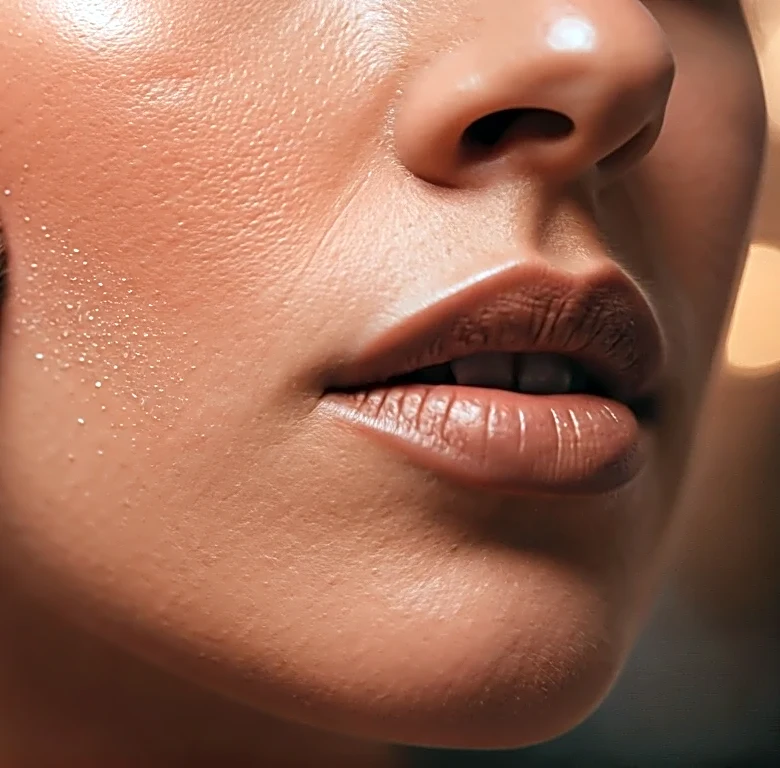
Now, observe the faces on the recent AMA red carpets. The sharp, powdered lines have softened. In their place is a glow that seems to come from within. This is 'strategic luminosity.' It’s not about drenching the entire face in highlighter for a Tin Man effect. Instead, it’s a masterclass in placement. Makeup artists are using hydrating skin tints and creamy formulas to let real skin show through. The luminosity is focused on the high points of the face where light would naturally hit: the top of the cheekbones, the bridge of the nose, the cupid's bow. The rest of the face is kept fresh and natural, often with only a light dusting of powder in the T-zone. The effect is less about changing features and more about enhancing them, creating a look of health, hydration, and vitality. It’s skin that looks like skin, only better.
From 'Instagram Face' to Healthy Skin
So, what’s driving this change? It’s a reflection of a broader cultural shift away from the hyper-curated perfection of early Instagram toward a more authentic, texture-friendly aesthetic championed on platforms like TikTok. The 'Instagram Face' was about achieving an almost digitally rendered ideal. The new look, however, is rooted in wellness and skincare. Trends like 'glass skin' (a K-beauty ideal of poreless, translucent skin) and 'cloud skin' (a soft-focus, dreamy matte-glow hybrid) prioritize what's underneath the makeup. The focus has moved from products that cover to routines that improve. Celebrities and their makeup artists are leaning into this, showcasing healthy, well-prepped skin as the ultimate status symbol, with makeup serving as an accessory rather than a mask.
How Artists Achieve the Glow
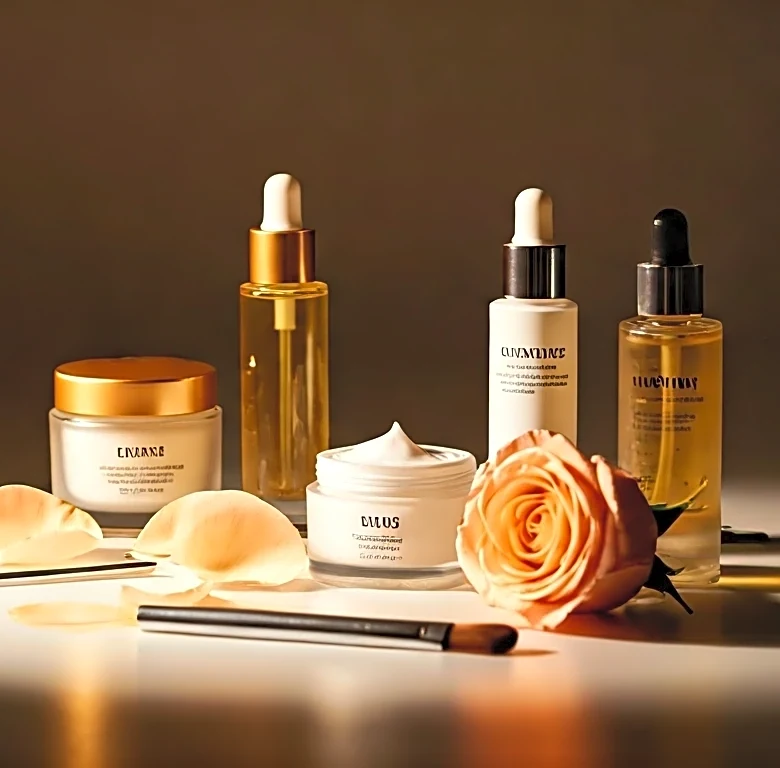
Achieving this strategic glow for an event like the AMAs, with its unforgiving HD cameras, requires serious technique. The magic starts long before the foundation. Artists now spend a significant amount of time on skin prep, layering hydrating serums, rich moisturizers, and illuminating primers to create a plump, dewy base. They favor cream and liquid products—blushes, bronzers, and highlighters—that melt into the skin for a seamless finish, rather than sitting on top like powders. A popular technique is 'underpainting,' where contour and highlight are applied *before* a sheer layer of foundation, creating a dimension that looks incredibly natural. It’s a reversal of the old method, building depth from the inside out instead of stamping it on top.
Translating the Trend at Home
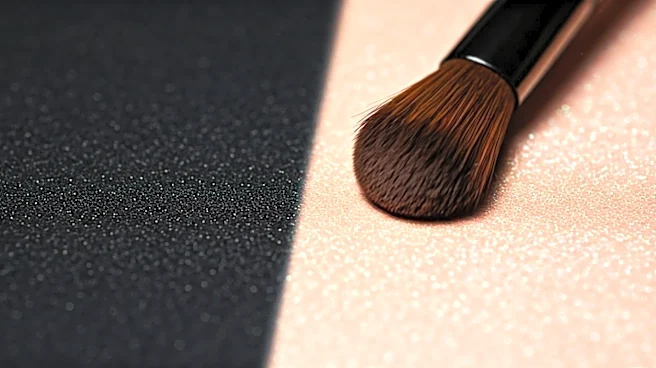
The good news is that this look is far more accessible for the average person than its matte predecessor. Start with your skincare; a hydrated face is key. Swap your full-coverage matte foundation for a skin tint or a serum-infused foundation. Use your fingers to apply cream blush to the apples of your cheeks for a natural flush. For that strategic shine, tap a non-glittery liquid or cream highlighter onto your cheekbones and brow bones. Be sparing with powder—use a small, fluffy brush to apply it only where you genuinely get oily. The goal isn’t to erase all shine, but to control it. You want to look alive and radiant, not laminated.