


Fabric Is Your Foundation
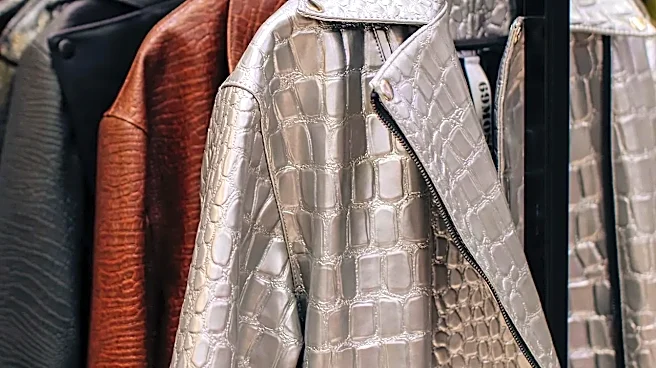
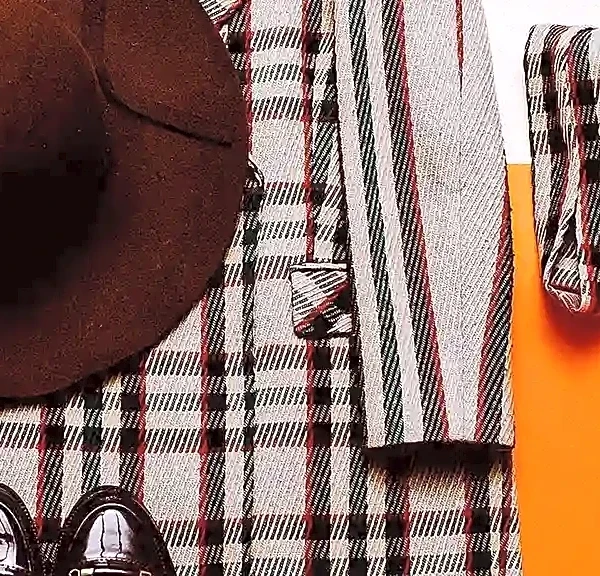
The first step to a coat with authority is choosing the right material. Lightweight fabrics will fight you every step of the way, collapsing under their own weight. You need a fabric with presence. Heavyweight wools, brocades, faux leather, and even sturdy
synthetic suitings are excellent choices. These materials have a natural stiffness and body that provide a solid starting point. Before you even think about structure, the fabric itself should feel substantial. Don't be afraid to go for coating-weight textiles; they are designed specifically for this purpose and will handle the additions of interfacing and lining without becoming overly bulky or difficult to manage. Think about the character: a sleek, sharp villain might call for a crisp wool blend, while a more theatrical one might demand a rich, heavy brocade. The fabric choice tells half the story before you've even sewn a seam.
The Skeleton: Interfacing Is Non-Negotiable
If fabric is the foundation, interfacing is the skeleton. This is the material you apply to your main fabric to give it support and prevent it from stretching or collapsing. For a villain coat, you can’t be shy. Heavyweight fusible or sew-in interfacing is a must for key areas. Focus on the entire front facing of the coat, the collar and lapels, and the cuffs. These are the areas that define the silhouette. For collars designed to stand up and frame the face, you’ll need the stiffest interfacing you can find, sometimes called hair canvas in professional tailoring. A good rule is to choose an interfacing that is slightly lighter than your main fabric, but for a dramatic effect, you might need to layer it or choose a heavier grade. This internal structure is completely hidden but is responsible for ensuring your collar doesn't flop and your lapels stay sharp.
The Secret Weapon: Boning for Defying Gravity
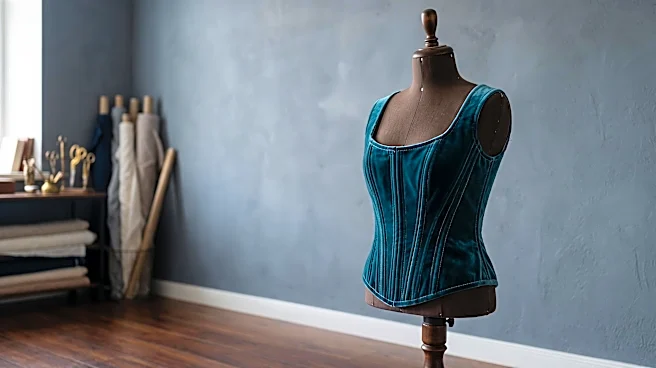
For truly gravity-defying collars or dramatic, flared hems, interfacing alone won't cut it. This is where boning comes in. Traditionally used in corsets, boning consists of rigid plastic or steel strips that can be sewn into channels within the garment. To create a tall, imposing collar that stands up on its own, you can sew several channels vertically into the collar pieces (between the fabric and the lining) and insert pieces of plastic boning cut to size. The boning acts like tent poles, providing a rigid frame that holds the fabric in its intended shape. You can also use this technique along the front edges of the coat to keep them perfectly straight or even along seams to add extra crispness. Just remember to create a fabric casing for the boning and file or cap any sharp edges to prevent them from poking through the fabric over time.
The Flourish: Horsehair Braid for a Dynamic Hem
A villain's coat needs to look just as good in motion as it does standing still. The secret to that satisfying swoosh and flare at the hemline is a material called horsehair braid. Despite its name, modern horsehair braid is a synthetic, crinoline-like netting that is both stiff and flexible. It comes in various widths, from half an inch to several inches wide. By sewing this braid into the hem of your coat, you give the edge a bouncy structure that wants to stand away from the body. This prevents the hem from limply hanging and instead encourages it to kick out dramatically as you walk. For a subtle effect, use a narrower braid. For a truly theatrical, bell-like shape, a wider braid will provide more significant volume and bounce, ensuring your every step is an entrance.
Finishing Touches That Reinforce the Look
The final details can make or break the illusion. Topstitching, for example, isn't just decorative. A line of stitching near the edge of a collar, lapel, or hem helps compress the layers of fabric and interfacing, making the edge even crisper and more defined. When sewing, use a heavier needle appropriate for your thick fabric layers and consider lengthening your stitch slightly for a more professional look. If your pattern has an undercollar, make sure it is slightly smaller than the top collar piece; this technique, known as 'turn of cloth,' helps the collar roll neatly and hide the seam underneath. By paying attention to these small but crucial tailoring techniques, you reinforce the structure you've so carefully built, ensuring your coat looks sharp, imposing, and ready for world domination.