


The Halloween Halo Effect
October and Halloween are inextricably linked, creating a month-long cultural mood primed for all things spooky. While slasher films and monster movies have long dominated the season, networks and streaming services have discovered a powerful 'halo effect'.
The general buzz around horror makes audiences more receptive to adjacent genres, especially psychological thrillers. These shows, which rely on suspense, dread, and unreliable narrators rather than jump scares, offer a more sophisticated, adult-oriented alternative to traditional horror. Programming events like Freeform's '31 Nights of Halloween' and AMC's 'FearFest' have conditioned viewers to seek out scary content all month long. This creates a built-in audience for series that explore paranoia and suspense, allowing more complex, unsettling stories to find their footing in a way they might not during the brighter, cheerier months of the year.
A Captive and Cozy Audience
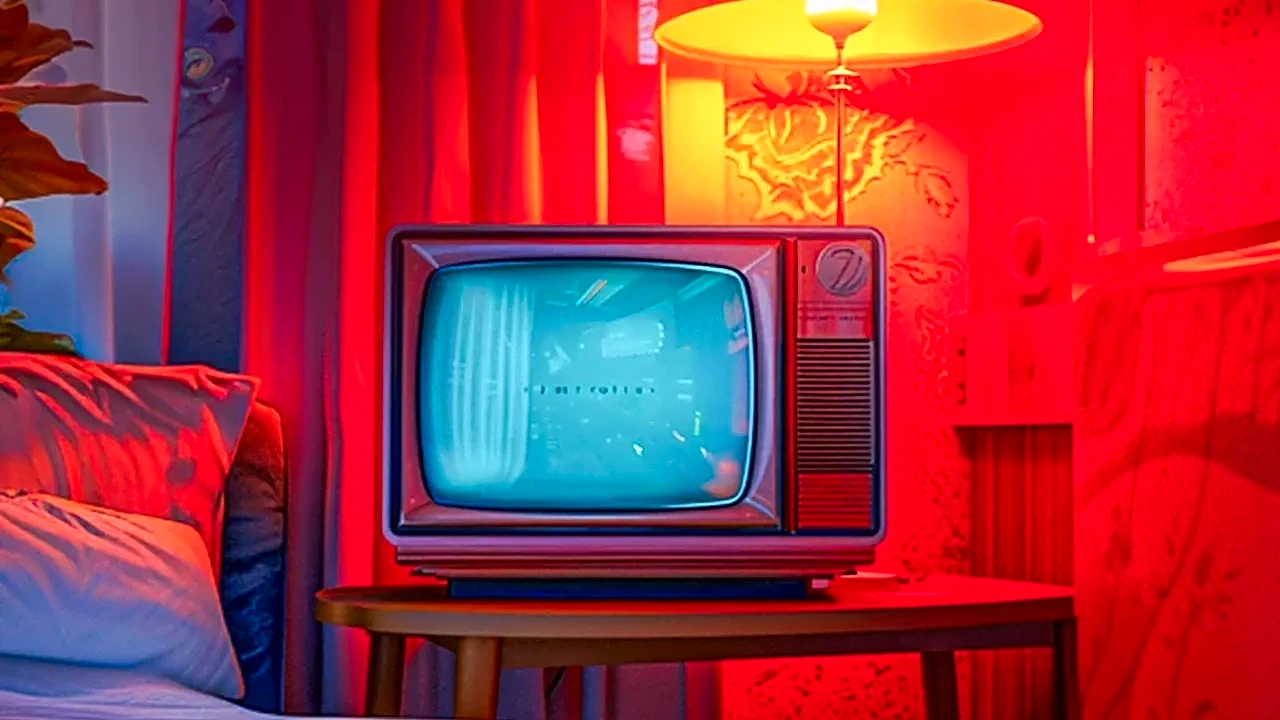
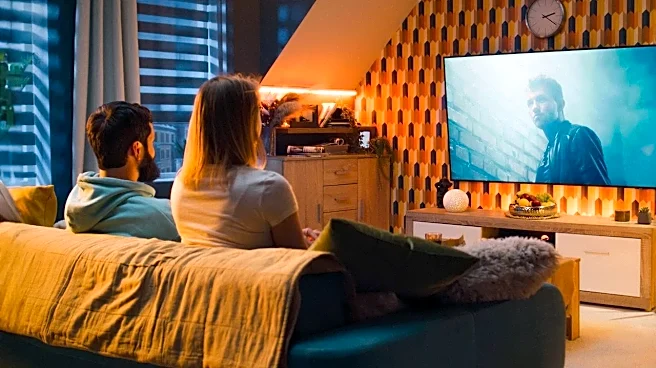
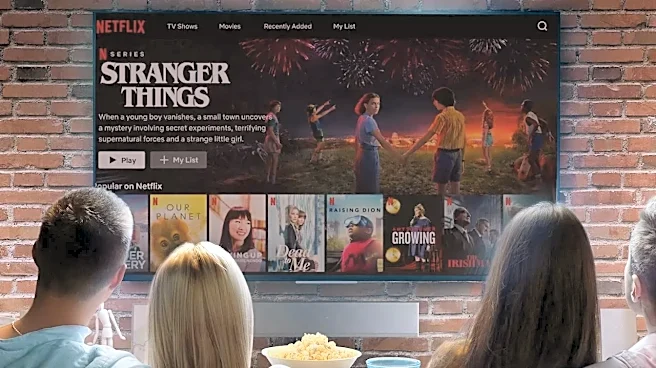
There’s a simple environmental factor at play: the weather. As fall sets in across the U.S., colder temperatures and shorter days lead people to spend more time indoors. This shift in behavior creates a more 'captive' audience, one that's ready to cozy up on the couch and dive into a complex, binge-worthy series. Psychological thrillers are perfectly suited for this viewing model. Unlike lighter sitcoms or week-to-week procedurals, these shows often feature intricate plots and slow-burn mysteries that reward focused, sustained attention. A recent trend has seen Netflix drop entire six-episode psychological thrillers, like the German series 'The Trap' which premiered on October 13, all at once to cater to this desire for an immersive binge-watch. The format encourages viewers to get lost in a show’s world for a weekend, dissecting clues and debating theories—a perfect activity for a chilly autumn night when going out seems less appealing.
An Ideal Slot in the Schedule
From a business perspective, October is a strategic dead zone that’s ripe for the picking. The Emmy Awards are over, meaning the summer's prestige shows have already had their moment. Meanwhile, the major holiday blockbusters and feel-good family programming are still weeks away from dominating the cultural conversation in November and December. This creates a valuable window for a different kind of show to make a splash. Without the pressure of competing against major awards contenders or massive holiday releases, a well-crafted psychological thriller can capture audience attention and build word-of-mouth momentum. It's a lower-risk, high-reward proposition for streamers and networks. They can launch a series that might otherwise be overlooked and see if it resonates with viewers who are actively looking for something tense and thought-provoking.
This Fall's Lineup of Suspects
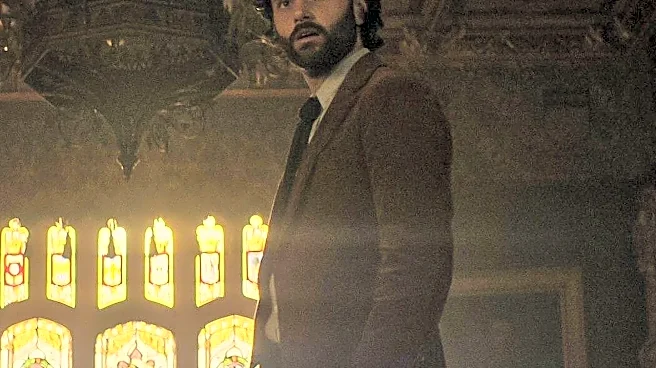
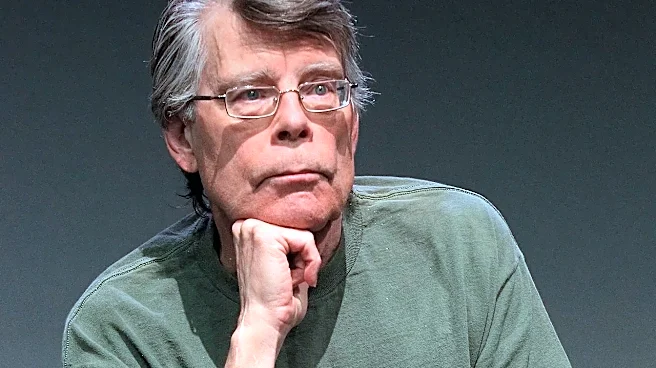
This year's slate proves the trend is in full swing. Beyond broadcast networks leaning into Halloween-themed episodes of mainstays like 'The Simpsons', streaming services are leading the charge with new, dark material. Netflix is debuting the German psychological thriller miniseries 'The Trap' and a Mexican political thriller 'El Círculo'. Meanwhile, Prime Video is launching a highly anticipated new adaptation of Stephen King’s 'Carrie' from horror maestro Mike Flanagan, reimagining the classic as a story of bullying in the digital age. Peacock is getting in on the action with 'Crystal Lake', a prequel to the 'Friday the 13th' franchise. These premieres aren’t just spooky background noise; they represent a deliberate strategy, with platforms using the month to launch series that are designed to get under your skin and dominate online conversation. It’s a clear signal that the psychological thriller has found its permanent home in the heart of the fall schedule.