

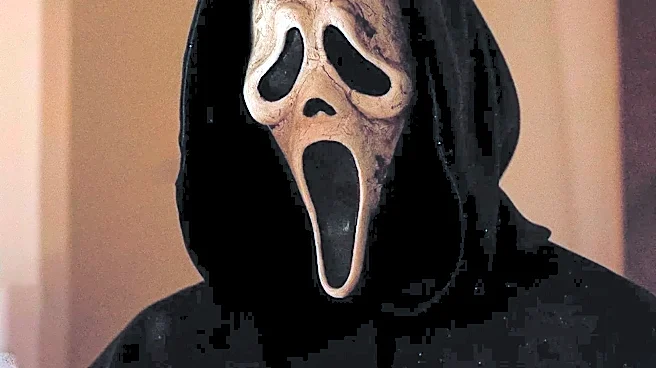

Michael Myers is the face of Halloween, but he isn't the reason we keep coming back. The franchise’s beating heart and box office anchor is Laurie Strode. Her journey is what gives the story its soul and turns a simple slasher into a blockbuster event.
The Original 'Final Girl'
When Laurie Strode first appeared in 1978, she wasn't just another potential victim; she set the template for the 'final girl' trope that would dominate horror for decades. Unlike her friends, Laurie was studious, responsible, and shy. But when Michael Myers arrived, she wasn't a passive damsel. She was resourceful, stabbing him with a knitting needle and a coat hanger—turning domestic items into weapons of survival. Played with a compelling blend of vulnerability and strength by a young Jamie Lee Curtis, Laurie wasn't just a survivor; she was an active fighter. She established the archetype: the intelligent, morally centered young woman who outsmarts and outlasts the monster. This made her instantly iconic and relatable, a character audiences rooted for not just to live, but to win.
From Survivor to Warrior
The masterstroke of the 2018 'Halloween' reboot was reintroducing Laurie not as a perpetual victim, but as a hardened warrior. The film, which ignores all previous sequels, picks up 40 years later and asks a powerful question: What does a lifetime of trauma do to the final girl? This version of Laurie is an isolated survivalist who has spent decades preparing for Michael’s return. Her home is a fortress, her relationship with her daughter is fractured by her obsession, and her psyche is defined by PTSD. This transformation resonated deeply with modern audiences. It reframed her story as one of profound trauma and resilience, making her struggle far more compelling than a simple cat-and-mouse chase. The film's staggering $76 million opening weekend and over $255 million total gross proved audiences were hungry for this evolved, emotionally complex narrative.
A Saga of Generational Trauma
By bringing Laurie's daughter, Karen, and granddaughter, Allyson, into the fight, the new trilogy expanded her personal battle into a multi-generational saga. As Jamie Lee Curtis explained, the story became about 'generational trauma' and its ripple effects. The films explore how Laurie's unprocessed fear has been passed down, creating a family dynamic built around survival and inherited pain. When the three Strode women finally unite to trap and fight Michael in the 2018 film, it's more than just a showdown; it's a symbolic reclamation of power. This focus on family turns Michael Myers from a random boogeyman into a catalyst for confronting the demons that haunt a bloodline. It elevates the stakes and provides a powerful emotional core that gives the violence meaning and weight.
The Unbreakable Curtis Factor
It’s impossible to separate Laurie Strode from Jamie Lee Curtis, whose fierce and unwavering commitment to the character is a massive part of the appeal. Curtis has portrayed Laurie across six decades, a rare feat for any actor and role. She speaks about the character with deep empathy and intelligence, often connecting Laurie's journey of surviving violence to real-world movements where women have taken back their narratives. This fusion of actor and character creates an authenticity that audiences connect with. Curtis's own strength and legacy as Hollywood royalty lend Laurie an extra layer of gravitas. When she fights, it feels personal. When she speaks of perseverance, it feels earned. That powerful connection is a unique box office driver, turning each new installment into an event where audiences show up not just for the scares, but to stand with Laurie one more time.