





Kelly Reichardt: The Poet of the Pacific Northwest
If Chloé Zhao finds profundity in the vast desert, Kelly Reichardt finds it in the damp, green quiet of Oregon. Reichardt is a master of minimalist, observational storytelling. Her films are often described as 'slow cinema', but that's not to say they
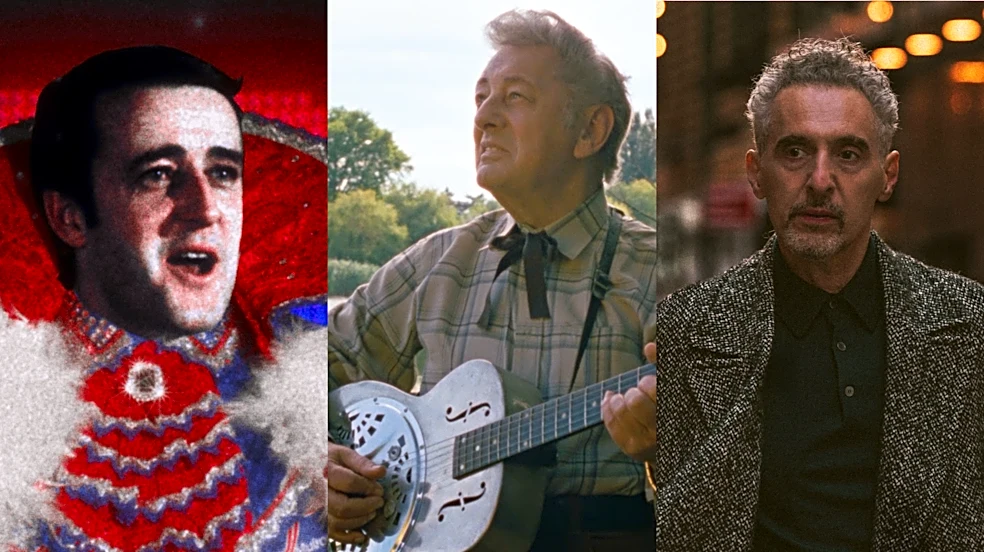
are boring. Instead, they are deliberate, allowing characters and landscapes to breathe and reveal themselves organically. Like 'Nomadland', her films focus on individuals navigating economic precarity and quiet desperation. In 'Wendy and Lucy', a woman's cross-country journey to a new life is derailed when she loses her dog, turning a simple premise into a heart-wrenching study of solitude. In 'First Cow', she crafts a gentle, melancholic story about friendship and fledgling capitalism on the American frontier. Reichardt’s work shares Zhao’s patience and her profound respect for the small, telling moments that define a life.
Debra Granik: The Empathetic Documentarian
No director working today blurs the line between documentary and narrative fiction with more skill and empathy than Debra Granik. She is deeply committed to portraying overlooked American communities with authenticity, often casting non-professional actors and immersing herself in their worlds. This approach was central to 'Nomadland' and is the bedrock of Granik's filmography. Her breakout film, 'Winter's Bone', introduced the world to Jennifer Lawrence in a gritty, unflinching look at life in the Ozarks. More recently, 'Leave No Trace' told the stunningly poignant story of a father and daughter living off the grid, a film that echoes 'Nomadland's' themes of self-sufficiency and the tension between freedom and community. Granik’s films are not just stories; they are deeply researched portraits of resilience that challenge our preconceptions about life on the margins.
Andrea Arnold: The Raw Energy Realist
While Zhao’s style is often meditative, British director Andrea Arnold finds a more kinetic, restless energy in her subjects. What they share is a fascination with outsiders and a brilliant ability to elicit raw, naturalistic performances, often from first-time actors. Her 2016 film 'American Honey' is the perfect companion piece to 'Nomadland'. It follows a crew of disenfranchised young adults—a 'mag crew'—traveling the Midwest selling magazine subscriptions. Shot with a handheld camera that feels intimately tied to its protagonist, Star (played by the magnetic newcomer Sasha Lane, whom Arnold discovered on a beach), the film is a sprawling, sun-drenched road trip through the heartland’s forgotten corners. It’s vibrant, messy, and pulsing with the dreams and anxieties of youth living on the fringe, capturing a different, but equally authentic, slice of transient American life.
Ramin Bahrani: The Neo-Realist of the Urban Fringe
Long before 'Nomadland', Ramin Bahrani was hailed as a vital voice in American neo-realism, with the late critic Roger Ebert once calling him 'the director of the decade'. Bahrani's early films, in particular, show a profound dedication to telling the stories of immigrants and those on the economic edge, people who are often invisible in mainstream cinema. Films like 'Man Push Cart', which follows a Pakistani rock star-turned-street-vendor in New York, and 'Chop Shop', about a Latino orphan working in an auto-body district in Queens, are masterpieces of grounded, humanistic storytelling. Bahrani uses non-professional actors and real locations to create an unshakeable sense of authenticity. His camera doesn't judge; it simply observes, finding dignity and drama in the daily struggle to survive, a quality that runs through the very core of 'Nomadland'.