


From Live Show to Content Factory
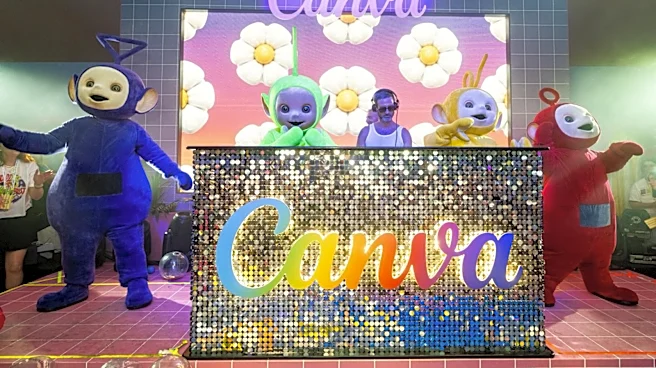
In the not-so-distant past, filming a concert was about documenting what happened on stage. The primary audience was the one physically present; the video was a secondary product. Today, that hierarchy has flipped. Festivals are now massive content factories,
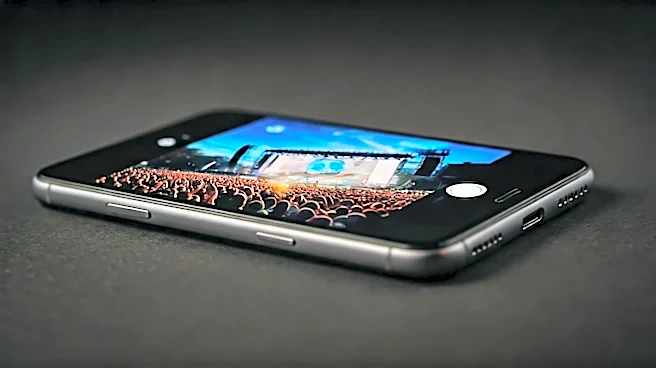
and the global audience on platforms like TikTok and Instagram is just as important as the one in the field. [9, 15] Event organizers and artists know that the clips shared online are their most potent marketing tool. [9] This has fundamentally changed how performances are designed. It’s no longer enough to just put on a great show; you have to put on a great show that is optimized for a 9:16 vertical screen. [14, 18]
The Art of the Social Media 'Sweet Spot'
In film, 'blocking' refers to the precise placement and movement of actors for the camera. While a festival artist isn't typically hitting tape marks on the stage floor, a similar principle applies. The stage is designed with specific camera shots in mind. Production teams create 'sweet spots'—areas with perfect lighting and a clean background that are pre-determined to look stunning on camera. Artists, while delivering a seemingly spontaneous performance, are aware of these zones. When a guitarist steps forward for a solo, it's often into a pre-arranged key light that a specific camera is already framed up to capture. [1, 8] The live video director, who is switching between dozens of camera feeds, knows to cut to that shot at that exact moment, creating a clip that looks like it was filmed for a music video, not captured by chance.
Designing for the Vertical Frame
The phone screen has become a primary stage. Stage design itself has adapted, favoring tall, narrow visual elements over wide, sprawling ones. Think vertical LED screens, tall scenic props, and light installations that create a dramatic effect within a portrait frame. [2] The lighting is also completely different. What looks good to the human eye in a field might look dark and muddy on a phone screen. Livestreamed events require much brighter, more direct lighting to make the image pop. [10] Even the color palettes of the stage and background are carefully chosen to avoid patterns that create a distracting 'moiré' effect on digital screens. [10] Everything is built in layers to create a sense of depth on a flat screen, from the stage itself to the digital graphics and even augmented reality elements visible only through a phone. [2, 10]
The Split-Second Virtual Director
The seamless clips you see online are the work of an entire video production team working in real-time. A portable production unit, often housed in a truck or a tent backstage, is the nerve center. [16] A director cuts between multiple camera sources—some operated by humans on stage and in the crowd, others robotic. [1, 17] Increasingly, they are also using a single 4K horizontal camera feed and creating multiple 'virtual' vertical camera angles by digitally punching in and reframing different parts of the wide shot. [13] This allows a director to create a dynamic, multi-camera vertical video with just one camera operator. They add graphics, switch to close-ups of faces for emotional impact, and create 15-second 'micro-content' moments specifically designed to be clipped and shared. [14, 18]
The Polished Illusion of Authenticity
The ultimate goal of all this planning and technology is to create a moment that feels completely authentic and emotionally resonant. [22] The perfectly timed hair flip, the lens flare that hits just as the beat drops, the close-up on a single tear rolling down a singer's cheek—it's all designed to feel like a lucky, real moment captured by a fan. This aestheticization of the live experience creates a powerful sense of connection and FOMO (fear of missing out), driving engagement and ticket sales. [9, 15] It transforms festival-goers from mere attendees into active participants in the marketing of the event, sharing content that is, by design, irresistibly shareable.