





Every family has its tensions, but most Thanksgiving dinners don't feel like a horror movie. Trey Edward Shults’ 2015 indie masterpiece 'Krisha' is the exception, a film that weaponizes the holiday to create an unbearable sense of anxiety.
A Camera That Never Looks Away
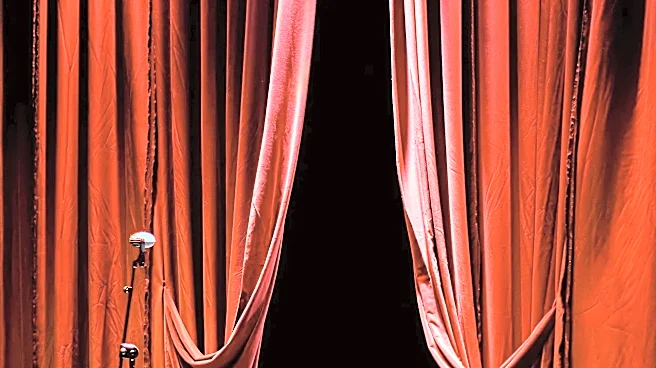
From the opening
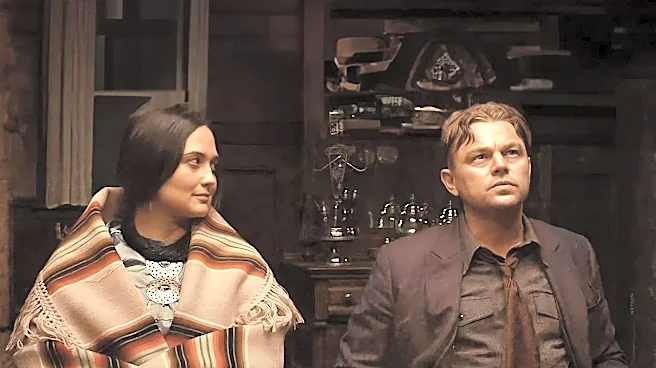
shot, director Trey Edward Shults puts the audience directly into the troubled mind of his protagonist, Krisha (Krisha Fairchild), a woman returning to her estranged family for Thanksgiving after a long absence. The film's style is anything but passive; it’s an active participant in her psychological unraveling. Cinematographer Drew Daniels employs long, roaming takes that follow Krisha through the chaotic house, creating a sense of documentary-like realism that feels both intimate and invasive. The camera often lingers on her face in tight close-ups, capturing every flicker of hope and encroaching dread. Shults also manipulates the aspect ratio, subtly shifting the frame to reflect Krisha’s mental state. When she feels a flicker of belonging, the screen is a standard width, but as her anxiety mounts and she succumbs to her demons, the frame constricts, visually trapping her—and us—in her nightmare. It’s a technique that turns the suburban home into a claustrophobic maze, with every hallway corner promising a new emotional landmine.
The Sound of a Nervous Breakdown
If the visuals are the cage, the sound design is the relentless rattling of its bars. Brian McOmber’s score is less a traditional soundtrack and more a symphony of pure anxiety. It’s a discordant collection of queasy strings and percussive, atonal sounds that often feels more suited to a horror film than a family drama. Shults uses this unnerving music to externalize Krisha’s inner turmoil. But it’s the combination of the score with the diegetic sound that builds the pressure cooker. The mundane noises of a holiday gathering—overlapping conversations, clanking silverware, a football game blaring from the TV—are amplified into a deafening cacophony. This wall of sound isolates Krisha, making her feel like an outsider in a house buzzing with life that she can no longer connect with. When the camera is on her, the background noise often seems to swell, mirroring her rising panic and making the viewer feel as overwhelmed as she does.
A Performance of Raw Power
At the heart of the film is a towering, fearless performance from Krisha Fairchild, the director’s own aunt. Fairchild, primarily a voiceover artist before this role, embodies the titular character with a raw authenticity that is often difficult to watch but impossible to look away from. She plays Krisha not as a simple villain or victim, but as a complex storm of regret, self-pity, fragile hope, and deep-seated damage. Her desperation to prove she has changed is palpable, centered on the symbolic act of successfully cooking the Thanksgiving turkey. Every interaction is freighted with the weight of past failures. Fairchild’s performance is a physical one; you see the struggle in her weary eyes and the forced buoyancy of her smile. Because most of the cast are Shults' actual relatives, including his mother Robyn Fairchild playing Krisha's sister, the on-screen dynamics carry an undeniable, lived-in history that no amount of scripted dialogue could replicate. Their shared past makes the eventual confrontation feel brutally, heartbreakingly real.
The Turkey as a Ticking Clock
The entire narrative is built around a single, high-stakes goal: Krisha must cook the Thanksgiving turkey. This task becomes a potent symbol for her desperate bid for redemption. If she can pull this off, she believes she can prove her worth and reclaim her place in the family she abandoned. The film brilliantly uses the turkey’s cooking time as a narrative ticking clock, building suspense with every check of the oven. The moment she struggles to get the massive bird out of the oven is shot with the tension of a bomb disposal scene. It’s more than just a turkey; it’s her last chance. The kitchen, typically a place of warmth and nourishment on Thanksgiving, becomes her personal trial. The eventual, disastrous fate of the turkey signals the complete collapse of her carefully constructed sobriety and her hopes for reconciliation, unleashing the 'pressure cooker' explosion the entire film has been building towards.