








The Wall of Sound
The most basic, primal contribution of a great crowd is noise—a constant, roaring, visceral wave of sound that shapes the feeling of a match. During the 2022 World Cup, Argentinian fans turned every stadium in Qatar into a home game. Their endless chorus
of chants, powered by the relentless beat of drums, created an atmosphere of unwavering belief that visibly carried the team. This isn't just about cheering; it's a form of participation that blurs the line between spectator and player. Studies conducted during the pandemic-era “ghost games” confirmed what fans have always known: the presence of a crowd has a measurable impact on home-field advantage and even refereeing decisions. An empty stadium is just a venue; a stadium filled with the passionate roar of tens of thousands of fans, like Borussia Dortmund's famed “Yellow Wall,” becomes a fortress and an active participant in the drama.
A Sea of Color and Choreography
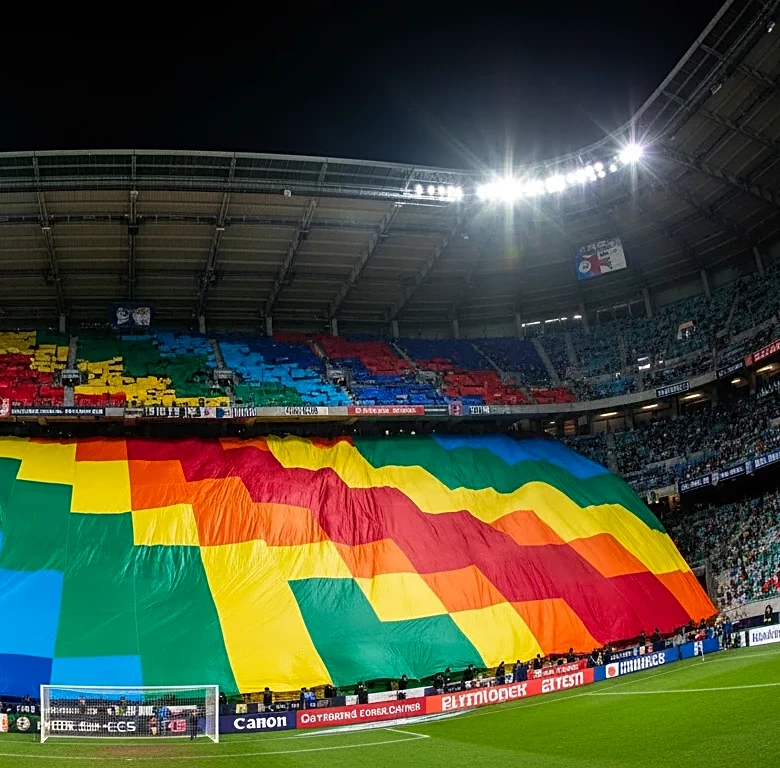
A legendary crowd is also a visual spectacle. Think of the sea of orange that follows the Netherlands, turning city streets and stadium sections into a vibrant, unified block of color. Or the endless yellow shirts of Brazil's supporters, a sight synonymous with soccer excellence. These displays go beyond simple team support; they are a declaration of national identity and pride. In some cases, this evolves into breathtaking choreography. The massive, coordinated displays known as “tifos,” perfected by clubs like Borussia Dortmund, can transform an entire stand into a single, stunning image. At the 2002 World Cup, South Korea’s “Red Devils” supporters created giant, synchronized mosaics that became one of the defining images of their nation’s fairytale run to the semifinals. This visual unity creates a sense of occasion that elevates a simple match into a historic event.
The Heartbeat of the Underdog
Sometimes, the most unforgettable crowds are not the biggest, but the most passionate, especially when they are rallying behind an underdog. At Euro 2016, Iceland, a nation of just over 300,000 people, captured the world's imagination. Their fans, led by the now-iconic “Viking Thunder Clap,” created a powerful, rhythmic ritual that was both intimidating to opponents and a symbol of their nation’s incredible unity. The chant, a slow, building clap accompanied by a guttural “Huh!,” became the soundtrack of the tournament, a testament to how a small group with immense pride can command a global stage. Similarly, the constant drumming and dancing of Senegal's fans in 2002 or the outpouring of support for Morocco in 2022 provided the emotional fuel for memorable underdog runs, reminding everyone that in a cup competition, belief from the stands can help level the playing field.
A Touch of Unforgettable Class
A crowd doesn't have to be the loudest or the largest to be unforgettable. Sometimes, it's about character. Since their first World Cup appearance in 1998, Japanese fans have become world-famous for their post-match tradition of meticulously cleaning their section of the stadium. Armed with blue trash bags, they stay behind long after the final whistle to pick up litter, an act of respect rooted in their culture. This quiet, dignified display has become as much a part of their World Cup identity as the team's performance on the pitch. It’s a powerful reminder that a crowd’s legacy can be built not on intimidation or noise, but on grace and respect, earning admiration from across the globe and leaving a different, but equally powerful, mark on the tournament.