




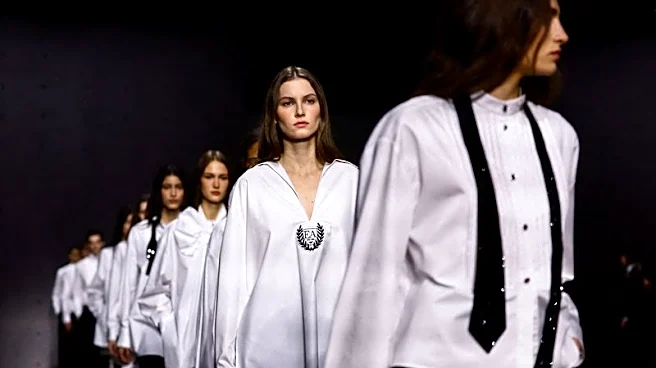
The Quest for Couture
The foundation of any major red carpet moment is often a breathtaking piece of fashion. For a stylist, securing the perfect look is a competitive sport. It involves deep relationships with luxury fashion houses, from legacy brands like Versace and Valentino
to emerging designers. The process can begin months in advance, with stylists attending fashion shows and negotiating for exclusive access to runway or custom-made pieces. At an event like the VMAs, known for its boundary-pushing style, the pressure is on to find something that hasn't been seen before. Sometimes, this means pulling a priceless vintage gown from a designer's archive or collaborating directly with a creative director on a bespoke creation. This was the case when stylist Law Roach arranged for a Schiaparelli couture gown to be flown by private jet from a Paris runway to London just in time for Zendaya to wear it at a premiere. These high-fashion garments provide the cultural cachet and artistry that create an unforgettable image.
The Sponsorship Puzzle
While artistry is key, commerce is king. Behind the scenes, many red carpet looks are influenced by lucrative sponsorship deals. A celebrity might be a brand ambassador for a fashion house or a jewelry company, a partnership that often requires them to wear the brand for major public appearances. These deals can be worth hundreds of thousands of dollars for a single event. The stylist's job is to make this sponsored arrangement feel authentic. They act as a crucial mediator, working with the brand to select pieces from a collection that align with their client's personal style and the vibe of the event. The goal is to avoid a look that feels like a walking advertisement and instead integrate the sponsored elements seamlessly. It's a delicate negotiation to satisfy a commercial obligation while protecting the artist's credibility and creative expression.
Crafting the Artist's Identity
More than just a pretty dress, a VMA look is a piece of storytelling. Is the artist entering a new musical era? Are they making a political statement? Are they paying homage to a past icon? The stylist's most important job is to translate the artist's identity and current narrative into a visual language. This is especially true at the VMAs, where fashion is often an extension of the music itself. Stylists work in close collaboration with their clients to craft a look that feels true to them. This concept is often called “method dressing,” where the outfit references the themes of a project, like an album or music video. The best stylists are described as “image architects,” building a cohesive visual brand for their client that evolves over time. They ensure that even within the constraints of couture and contracts, the person wearing the clothes shines through.
The Final Masterpiece
When all three elements—couture, commerce, and identity—come together perfectly, the result is red carpet magic. The final look appears effortless, a natural extension of the artist themselves, but it's the product of a stylist's immense strategic effort. They are the unseen choreographers of the red carpet, blending the prestige of high fashion, the financial realities of the industry, and the core identity of the star. Their success is measured by how well they can synthesize these competing demands into a single, powerful image. A successful look doesn't just get on a best-dressed list; it defines a moment in pop culture and reinforces the artist's brand in the public imagination. When it fails, the look can feel inauthentic or ill-fitting, a reminder of the complex pressures at play.