








It Starts With the Fabric
The secret to a gown that performs for the camera often lies in its material. Designers select fabrics specifically for their ability to interact with air and light. Lightweight choices like chiffon, silk, organza, and tulle are masters of movement. These
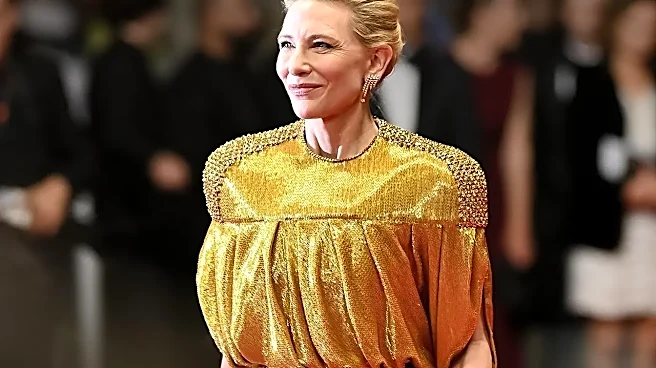
materials are prized for their fluid drape, meaning they fall and flow gracefully rather than holding a rigid shape. Chiffon, a sheer and delicate fabric, is excellent for creating ethereal, flowing layers that seem to float. Silk offers a luxurious sheen that catches the light beautifully during motion, while organza, though stiffer, provides a structured rustle and volume that can be just as dramatic. These fabrics are chosen not just for how they feel, but for how they behave. A gust of wind or a simple twirl can make them billow and dance, turning a static pose into a dynamic, unforgettable photograph.
The Architecture of Motion
Beyond the fabric itself, the construction of a gown is critical. Designers use specific techniques to build movement directly into the dress’s architecture. Elements like long, sweeping trains, tiered skirts, delicate pleats, and cascading ruffles are not just decorative; they are functional components designed to create visual interest when the wearer moves. A train, for example, follows the wearer like a shadow, creating a beautiful trailing line that elongates the silhouette in photographs. Tiers and ruffles add layers of texture that catch the air independently, producing complex, fluttering shapes. As seen with Nina Dobrev's Armani Privé gown at the 2026 Venice Film Festival, which featured sweeping chiffon panels, these additions can create a dramatic train effect as the wearer walks. These structural choices ensure the gown has a life of its own, offering photographers a constantly changing canvas to capture.
The Wearer as a Performer
A dress designed for movement is only half the equation; the person wearing it is the other. Celebrities and their stylists often choose these gowns knowing they will be photographed in motion. Part of red carpet preparation involves learning how to “work” the dress. This means understanding how to walk, turn, and pose to showcase the garment's best features. A slow spin can show off the full volume of a skirt, while a confident stride can make a train flow perfectly. This is a subtle performance, a collaboration between the wearer and the designer's creation. They know that a static, straight-on photo might not do justice to a gown built for dynamism. By engaging in fluid motions, they help bring the dress to life, giving photographers the energetic and graceful shots that land on best-dressed lists.
The Photographer's Crucial Role
Finally, the photographer is the one who freezes this fleeting magic into a timeless image. Capturing a dress in motion is a technical skill. Photographers often use a continuous shooting or “burst” mode to capture multiple frames per second, ensuring they don’t miss the perfect moment when the fabric unfurls just right. Some might use a slightly slower shutter speed to introduce a touch of motion blur, which artistically emphasizes the fluidity and energy of the gown. Their positioning is also key; standing at the end of the runway or red carpet allows them to capture the full sweep of a dress as the model walks toward them. This combination of the right fabric, intentional design, a practiced wearer, and a skilled photographer is what creates those breathtaking red carpet images where the dress seems to be alive.