



The Problem with 'Event' Makeup
For years, the go-to strategy for big events—concerts, music festivals, conventions—was to apply a full-coverage, long-wear foundation. The logic was simple: more makeup equals more staying power. But as anyone who has danced for hours in a packed crowd
knows, this approach often backfires. Heat, sweat, and humidity turn a perfect matte canvas into a cakey, sliding mess. Celebrity makeup artists have recognized that the old rules don't apply to the modern fan experience. We're talking 12-hour festival days and stadium tours where you’re singing and sweating for hours. Heavy foundation not only feels uncomfortable but can also settle into lines and look unnatural in the thousands of photos and videos being taken. The goal has shifted from masking the skin to making it resilient.
It All Starts with Skin Prep
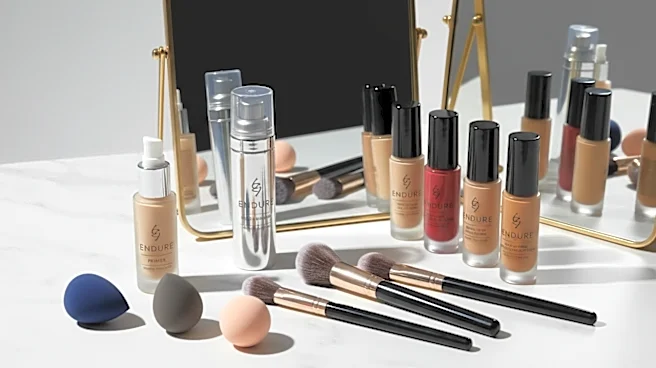
The new foundation for event makeup isn't a product—it's a process. Makeup artists are now dedicating the bulk of their effort to skin preparation. A long-lasting look begins with a clean, hydrated, and smooth canvas. This means starting with a gentle cleanser, followed by a hydrating toner and moisturizer to plump the skin. For many artists, a crucial next step is a primer. But not just any primer will do. For high-energy events, they often opt for gripping or mattifying primers that create a tacky base for makeup to adhere to, effectively creating a barrier that prevents sweat and oil from breaking down your look. This meticulous prep ensures that any makeup applied on top has the best possible chance of staying put, allowing artists to use less product overall.
The Art of Strategic Application
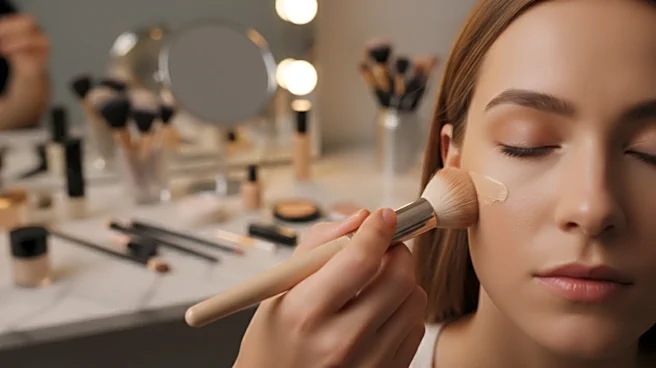
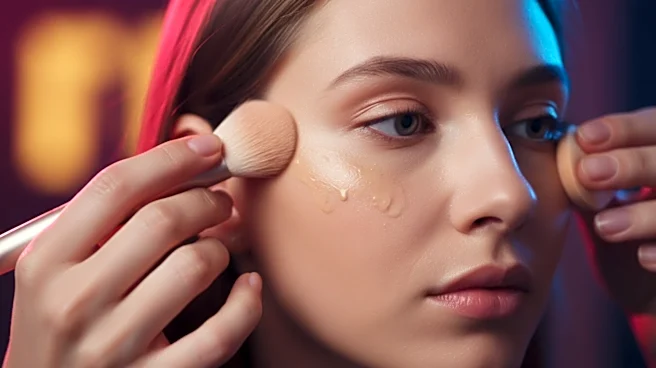
With a perfectly prepped base, artists can be more strategic. Instead of applying a uniform layer of foundation, the trend is to “skinimalism,” focusing on evening out skin tone only where necessary. This might involve using a lightweight skin tint instead of a heavy foundation, or forgoing it altogether in favor of spot-concealing. Using a high-coverage concealer with a small brush, artists can target blemishes, redness, and under-eye circles without covering the entire face. This lets natural skin show through, creating a more breathable and believable finish that wears better over time. Cream-based products for blush and bronzer are also favored, as they melt into the skin for a natural flush rather than sitting on top like some powders. The key is layering thin amounts of product and blending seamlessly.
Lock It In for the Long Haul
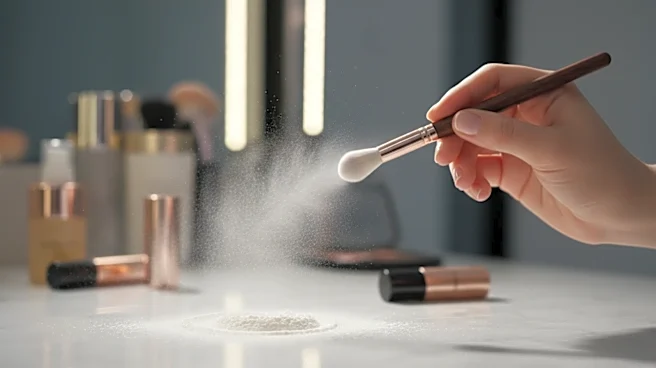
The final step is arguably the most important for longevity: setting the makeup. This is a multi-step process for the pros. After applying cream products, a light dusting of translucent setting powder is often used, especially in the T-zone, to absorb excess oil and prevent shine. However, the real hero for high-energy events is setting spray. Many makeup artists use it in layers throughout the application process—after foundation, after powders, and as a final seal. A quality setting spray will lock everything in place, making the makeup resistant to sweat, humidity, and friction. Some artists even use a "sandwich" technique, applying powder, then setting spray, then another light layer of powder to create a truly bulletproof finish. Waterproof mascara and eyeliner are also non-negotiable to prevent smudging and running.