

The Allure of a Natural Powerhouse
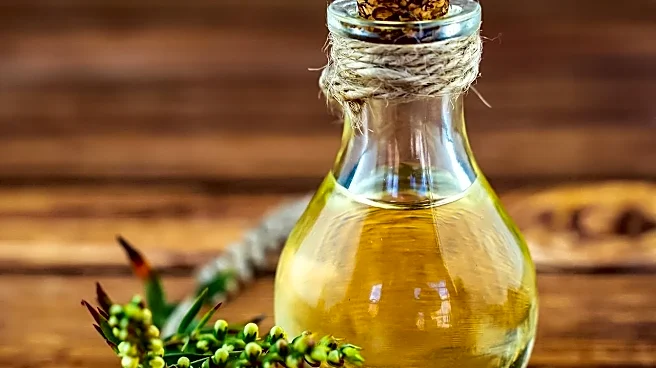
Tea tree oil’s reputation is well-earned. Derived from the Australian Melaleuca alternifolia tree, this essential oil is packed with compounds that have antimicrobial and anti-inflammatory properties. This is why it’s a go-to for oily and blemish-prone
skin; some studies have even found a 5% tea tree oil gel to be comparable to benzoyl peroxide for treating acne, often with fewer initial side effects like dryness and peeling. Beyond acne, its antioxidant properties help fight off free radicals—unstable molecules from pollution and UV exposure that damage skin cells and accelerate aging. In theory, by calming inflammation and providing antioxidant protection, tea tree oil helps preserve the skin's firmness and elasticity.
The Hidden Risk: When a Hero Becomes an Irritant
The very potency that makes tea tree oil effective is also its biggest liability. Using it undiluted or in high concentrations can be a disaster for your skin barrier, the protective outer layer that keeps moisture in and irritants out. Undiluted tea tree oil can act like a solvent, stripping away the natural lipids that hold your skin barrier together. This can lead to immediate reactions like redness, burning, stinging, and dryness. For some, this irritation can escalate into allergic contact dermatitis, a more severe immune response that makes skin reactive even to small amounts of the oil in the future. People with existing conditions like eczema or generally sensitive skin are particularly at risk.
The Inflammation-Aging Connection
This is where the "quiet" effect on aging comes into play. While short-term inflammation from a blemish is normal, chronic, low-grade irritation is a major driver of premature aging—a phenomenon some dermatologists call "inflamm-aging." When your skin is constantly defending itself against an irritant (like improperly used tea tree oil), it stays in a state of defense. This chronic inflammation produces enzymes that actively break down collagen and elastin, the proteins that keep skin plump and firm. So while you might be using tea tree oil to fight a pimple today, if it’s causing ongoing irritation, you could be quietly accelerating the formation of fine lines and loss of firmness over time. Damage to the skin barrier also leads to dehydration, and dry, compromised skin is more prone to showing wrinkles.
Using Tea Tree Oil for Pro-Aging, Not Pro-Irritation
Harnessing tea tree oil's benefits without the drawbacks is all about smart and safe application. The golden rule is to never apply undiluted tea tree oil directly to your skin. Instead, look for professionally formulated products where it's included at a safe concentration. European safety guidelines, for example, recommend a maximum of 0.1% in a face cream and 1% in a face wash. If you are using the pure essential oil, it must be diluted. A safe concentration for facial use is generally considered 5% or less, which means mixing a few drops into a carrier oil like jojoba or squalane. Always perform a patch test on your inner arm before applying it to your face to check for sensitivity. Think of it as a potent spot treatment, not an all-over daily serum.