
Ancient Origins and Royal Status
The story of pleating begins not with fashion, but with power. In ancient Egypt, pleated garments were a mark of wealth and royalty. The laborious, time-consuming process of creating pleats by hand meant they were a luxury only the elite could afford.
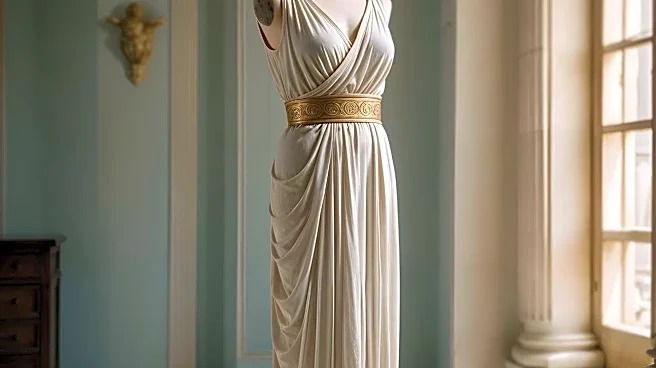
These early pleats, often seen on fine linen tunics called kalasiris, had to be redone after every wash, making them a true symbol of decadent status. While not always the sharp knife pleat we know today, this practice established a core idea that would follow pleats for centuries: they were a way to add texture, volume, and importance to a garment.
The Kilt and Masculine Identity
Perhaps no garment is more synonymous with a specific pleat than the Scottish kilt. The sharp, stacked knife pleats in the back of a kilt are its defining feature, a tradition dating back to the 16th century. Far from being merely decorative, the kilt's pleats were functional, allowing for freedom of movement in the rugged Highlands. Over time, the kilt, with its distinct pleated construction, became a powerful symbol of Scottish heritage, clan identity, and masculinity. It stands as a prime example of how pleating can be deeply embedded in cultural and national identity, representing strength and pride.
The Schoolgirl and the Tennis Court
In the late 19th and early 20th centuries, the knife pleat took on a new role: uniformity and function. The rise of women's sports like tennis created a need for clothing that allowed for more movement, and the pleated skirt was the perfect solution. Around the same time, it was adopted for schoolgirl uniforms. Here, the neat, orderly knife pleats symbolized discipline and conformity. Whether on the court or in the classroom, the knife-pleated skirt came to represent youth, athleticism, and a new, more active role for women in society, even if it was within a structured and regulated environment.
Rebellion and High-Fashion Reinvention
What was once a symbol of conformity was destined for rebellion. In the latter half of the 20th century, subcultures like punk and grunge co-opted the pleated skirt, tearing it, shortening it, and pairing it with combat boots to subvert its preppy, orderly connotations. Simultaneously, high fashion began to deconstruct the pleat. No one did this more radically than Japanese designer Issey Miyake, who launched his "Pleats Please" line in 1993. Using a revolutionary heat-setting process on polyester, Miyake turned pleating into a form of wearable architecture, creating garments that were both sculptural and incredibly practical. His work transformed the pleat from a simple fold into a medium for technological and artistic innovation.
The Modern Pleat's Many Meanings
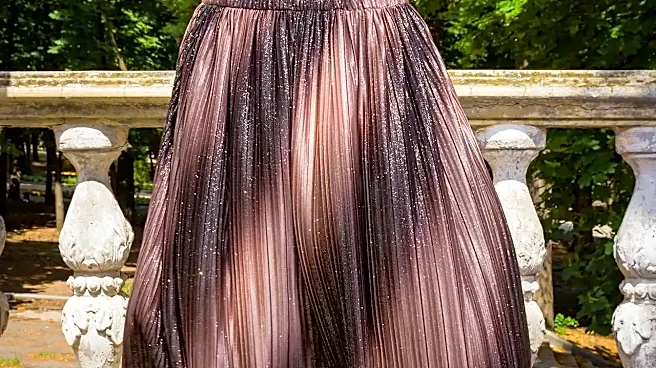
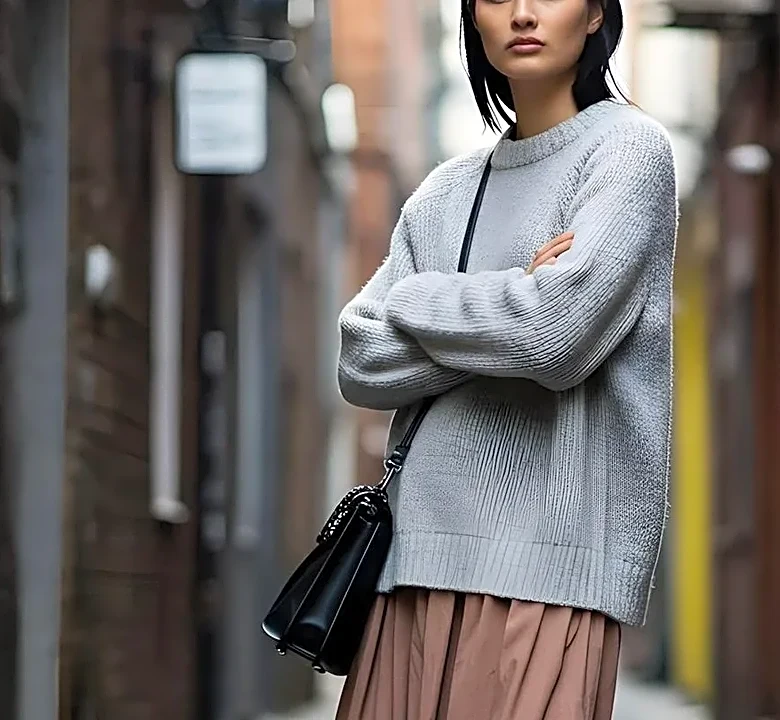
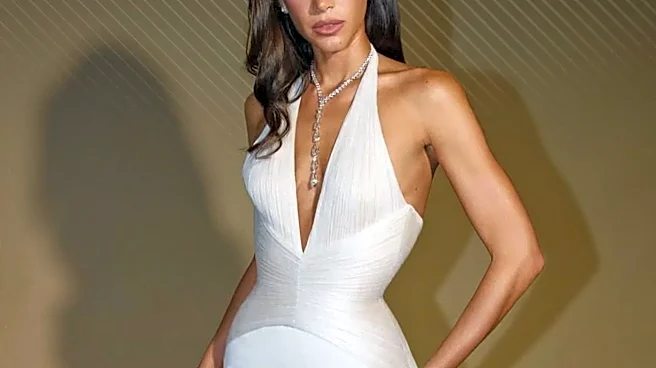
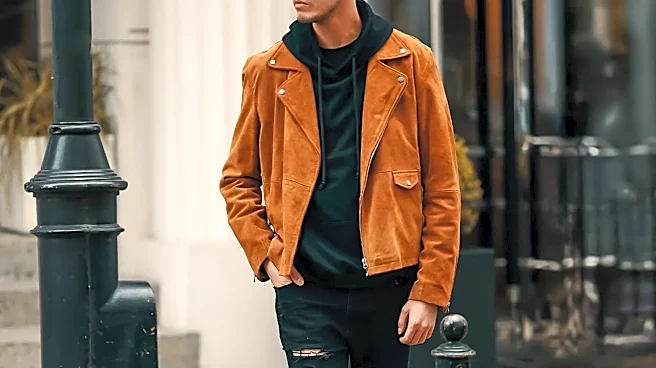
Today, the knife pleat is a chameleon in our closets. It exists in a state of endless reinterpretation. A plaid knife-pleated skirt can evoke the collegiate, preppy look of shows like "Gossip Girl," while a metallic, micro-pleated version feels futuristic and edgy. Designers continually play with its associations, offering everything from structured, architectural pleats to soft, fluid ones. It can be found in menswear, offering more comfort in trousers, and in haute couture, adding dramatic movement to a gown. This versatility is the knife pleat's ultimate truth; it's a simple technique that holds a complex and ever-changing dictionary of cultural meanings.