






The Sky-Beam Industrial Complex
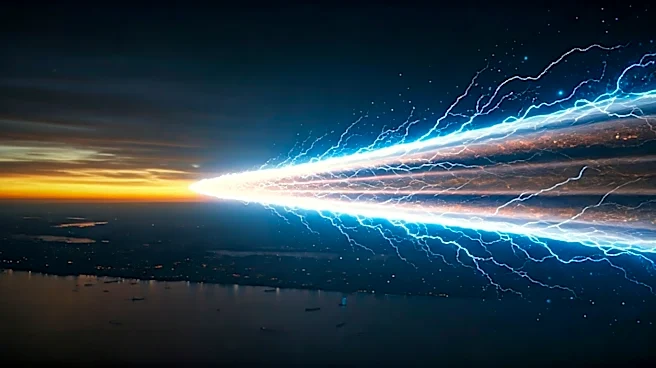
It’s become a running joke, but it’s also a real symptom of creative fatigue in the blockbuster space. From *The Avengers* and *Man of Steel* to *Suicide Squad* and *Wonder Woman*, the third act often dissolves into a blurry, impersonal light show. A hero,
suddenly rendered tiny against a massive threat, must “close the portal” or “stop the beam,” while fighting off a horde of faceless digital drones. The emotional stakes, carefully built over the preceding 90 minutes, are traded for pure spectacle. The problem isn’t the spectacle itself; it’s the interchangeability. When every existential threat looks the same, none of them feel truly existential. The finale becomes a checklist item rather than a narrative crescendo. It’s a formula designed to look expensive and feel epic, but it often lands as hollow and emotionally inert. Audiences have grown wise to the trick. We’re tired of looking up at the sky; we want a story that looks inward at the characters.
A Different Kind of Supergirl
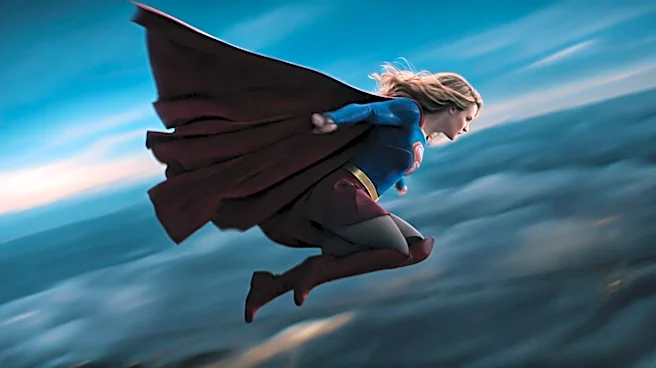
This is where the DC Universe’s upcoming *Supergirl: Woman of Tomorrow* comes in. When DC Studios co-head James Gunn announced the film, he didn’t promise a bigger, badder villain. He simply held up a comic book: the 2021-2022 limited series of the same name by writer Tom King and artist Bilquis Evely. For those who’ve read it, that choice speaks volumes and represents the core of the “Supergirl Strategy.” This isn't the cheerful, optimistic Kara Zor-El of CW fame. King’s version is a woman profoundly shaped by trauma. She grew up on a piece of Krypton that survived the planet’s explosion, only to watch her family and friends die over and over again. On her 21st birthday, we meet her trying to get drunk on a backwater planet with a red sun, weary and disillusioned. She’s not looking to save the world; she’s just trying to endure it. This is a Supergirl who has seen the worst the universe has to offer and is barely holding it together.
The Strategy: A Cosmic Western
The plot of *Woman of Tomorrow* is the antithesis of the sky-beam finale. It’s not about an invasion or a world-ending cataclysm. It’s a revenge quest. A young, alien girl named Ruthye, whose world and dialect feel lifted from a classic Western, hires the jaded Supergirl to help her hunt down the man who murdered her father. What follows is not a race to stop a doomsday device, but a chase across the cosmos. It’s *True Grit* in space. The story is intimate, driven by the relationship between the hardened Kara and the determined Ruthye. The villains are cruel and despicable, but they are individuals, not an army. The conflicts are brutal and personal. The “strategy,” then, is to shrink the scale of the conflict to amplify its emotional weight. The fate of the universe isn't at stake, but a young girl’s soul and a hero’s last embers of hope are. The final confrontation isn't a CGI spectacle; it’s a tense, ugly, and deeply personal showdown with a single, hate-filled antagonist.
Why Smaller Stakes Feel Bigger
By adapting this specific story, the filmmakers have a chance to pivot away from the entire third-act problem. The climax is baked into the narrative’s DNA, and it has nothing to do with portals. It’s about whether Supergirl will uphold her heroic ideals or give in to the same thirst for vengeance that drives her young companion. The most important battle is internal. This approach is what made films like *Logan* and *The Batman* resonate so deeply. They traded global annihilation for personal devastation, reminding us that the most compelling stakes are the ones tied to a character’s humanity. The *Supergirl* strategy is to trust that audiences will care more about one person’s difficult moral choice than the destruction of a dozen fake city blocks. It’s a bet that a well-told, character-focused story doesn’t need a sky-beam to feel epic. The epic feeling comes from the journey, the pain, and the ultimate triumph of a hero finding her way back to the light.