





The Myth of the Lone Creator Fades
For years, the prevailing image of a podcaster was a charismatic personality, a microphone, and a compelling idea. The barrier to entry was famously low, which fueled the medium's explosive, democratized growth. But as podcasting has transformed from
a niche hobby into a multi-billion-dollar entertainment sector, that solitary creator myth is becoming increasingly outdated. The shows that top the charts and define genres are rarely one-person operations. They are complex productions requiring researchers, writers, audio engineers, editors, and producers to create the polished, deeply-reported, and sonically rich content listeners now expect. The transition from audio blogs to full-fledged productions signals a maturation of the industry, where quality and consistency are paramount—qualities that are nearly impossible for one person to sustain alone.
Award Season's Telltale Signs
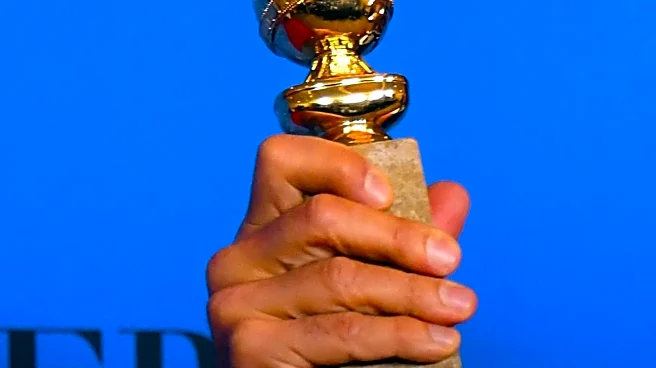
You don't have to look far to see this shift in action; the awards stage itself tells the story. At the 2026 iHeartPodcast Awards, held at SXSW in Austin, the 'Best Overall Ensemble' award went to “The Basement Yard,” whose hosts, Joe Santagato and Frank Alvarez, celebrated a lifelong friendship that forms their comedic foundation. This award category, by its very nature, recognizes collaboration over individual star power. Even in categories not explicitly about teams, the theme emerged. When “The MeidasTouch Podcast” won for Best News, the three host brothers made sure to thank their families and other creators. Go back just a couple of years to the 2024 awards, and you'll find winners like Shannon Sharpe of “Club Shay Shay” using their acceptance speech to explicitly thank their team, a clear sign that the people behind the curtain are becoming more visible.
Why Teamwork Translates to Better Listening
This industry evolution isn't just internal baseball; it directly impacts the listener experience. A dedicated team allows a show to move beyond simple conversation and into sophisticated storytelling. Consider the work of Hrishikesh Hirway, who received the 2026 Innovator Award for “Song Exploder.” His podcast, which dissects a song piece by piece with the artist, is a marvel of production and research that a solo host would struggle to replicate. Likewise, intricate narrative crime podcasts or history shows like “The Rest Is History” rely on teams for deep research, fact-checking, and sound design. When a host is freed from handling every technical and logistical task, they can focus on what they do best: creating compelling content, connecting with guests, and engaging their audience. The result is a more professional, consistent, and ambitious final product for everyone.
A Sign the Industry Is Growing Up
Ultimately, the growing recognition of production teams is a sign that podcasting is finally being treated as a serious, professional medium on par with film and television. In those industries, it’s understood that the director or star is just one part of a massive collaborative effort. No one questions the dozens of names that scroll in the credits. Podcasting is now entering its own era of credits, where the producer, the sound designer, and the researcher are rightfully seen as integral to a show's success. This professionalization brings structure and sustainability, allowing podcasts to scale from passion projects into durable media brands. While Icon awards still rightly celebrate groundbreaking individuals like Terry Gross, the Audible Audio Pioneer Award recipient, the broader trend is a collective one. The future of podcasting isn't just in finding the next great host—it's in building the next great team.