


The Gospel of Polish
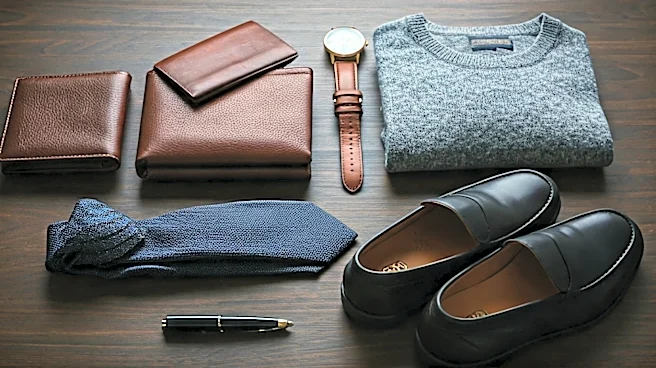
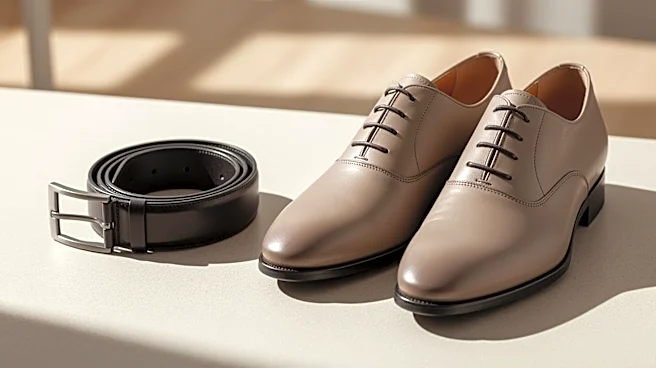
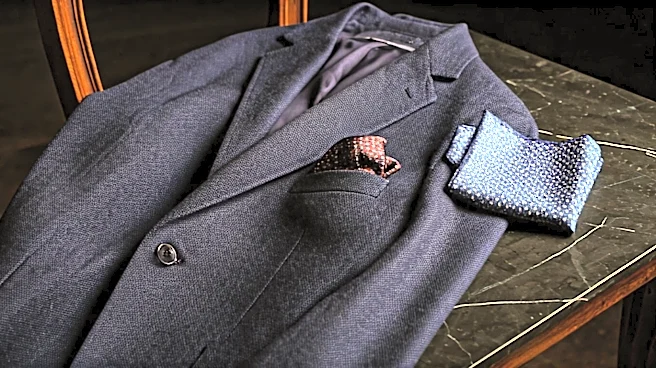
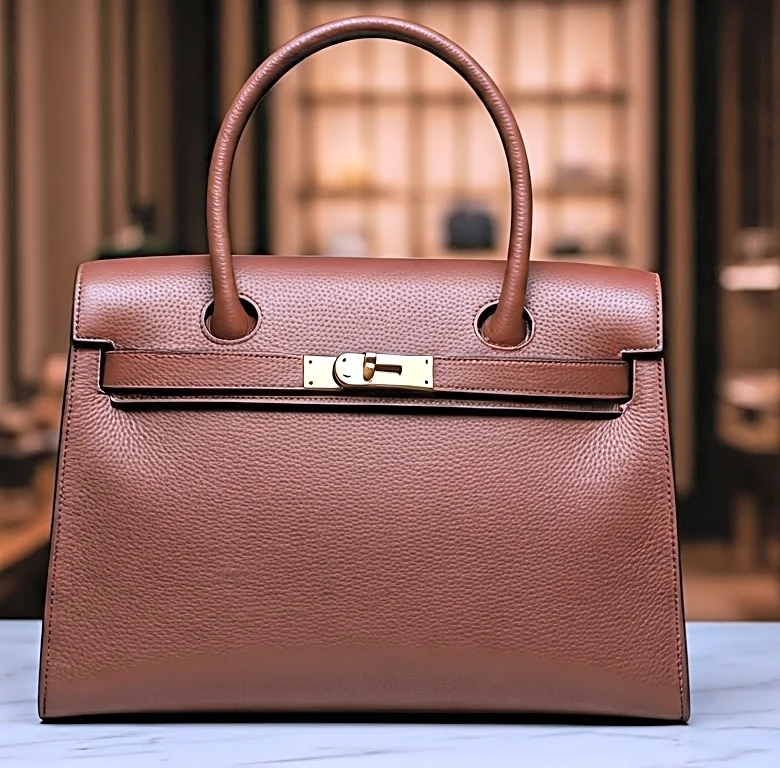
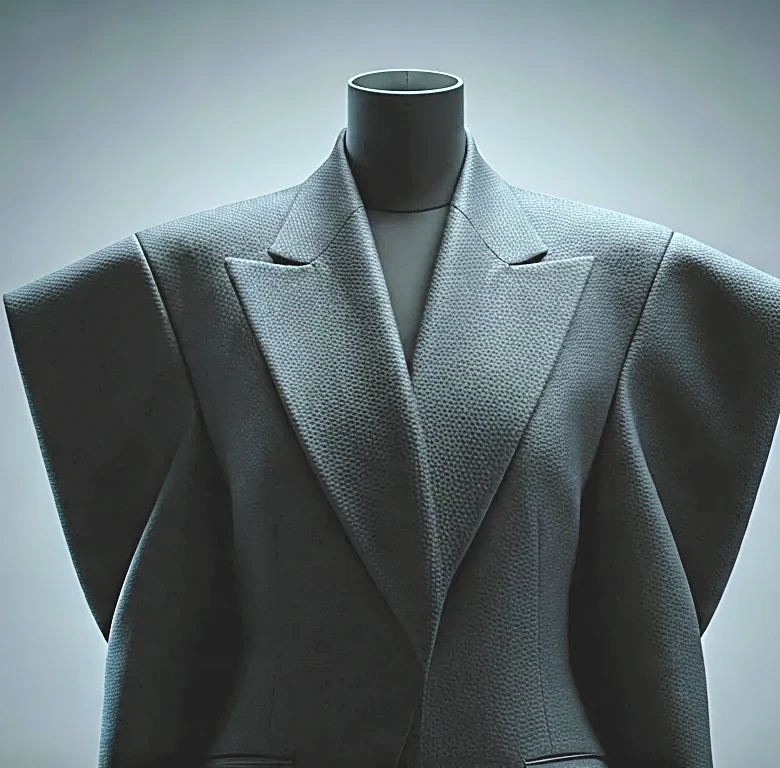
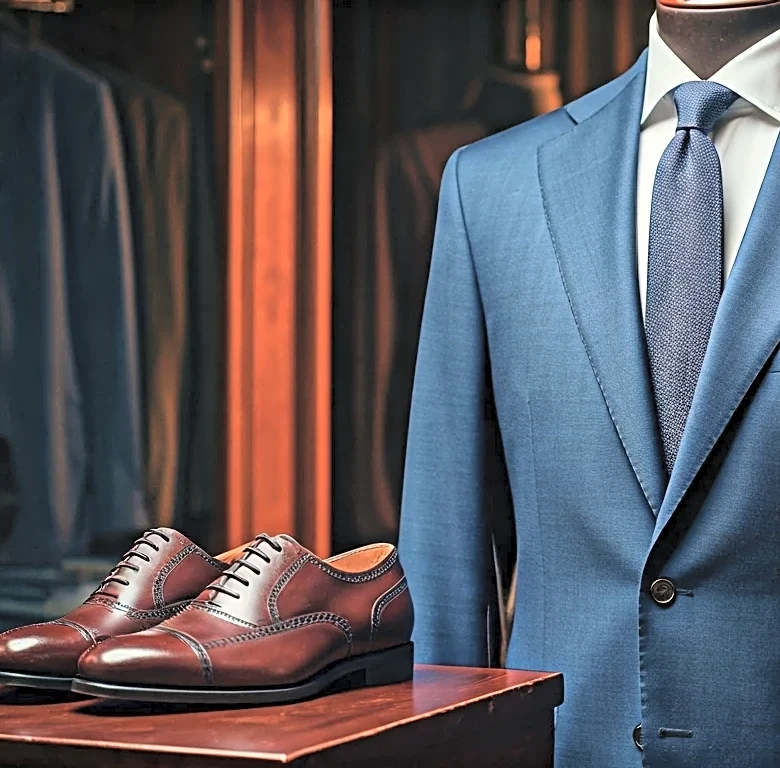
For generations, primarily Boomers and Gen X, the definition of a well-dressed man was unambiguous. It was about polish. This meant structure, precision, and a clear respect for formality. Think of the armor of the 20th-century professional: a tailored
suit with a sharp shoulder, a starched collar, a firmly knotted tie, and hard-bottomed leather shoes that clicked with authority on marble floors. This wasn't just about looking good; it was a visual language of competence, ambition, and adherence to a social contract. Dressing this way signaled that you understood the rules and were ready to play the game. It was a uniform for climbing the corporate ladder, earning respect, and commanding a room. To deviate was to risk being seen as unserious, rebellious, or simply not ready for the big leagues.
The Rebellion of Comfort and Authenticity
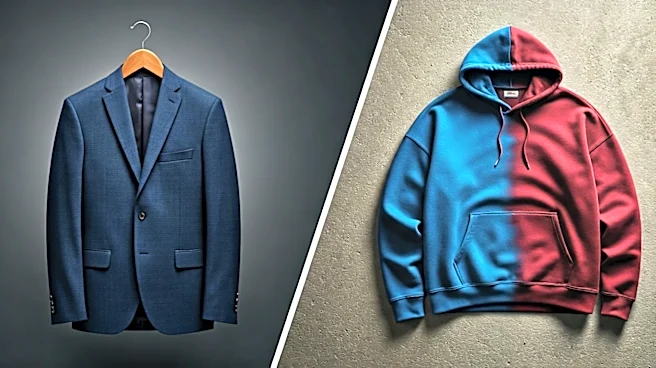
Enter Millennials and Gen Z, generations who came of age questioning the very institutions that built the 'polished' ideal. For them, the old uniform feels less like armor and more like a costume—one that’s both physically and psychologically restrictive. Their style ethos is built on a different trinity: comfort, authenticity, and self-expression. The new grail items aren't bespoke suits but limited-edition sneakers, perfectly slouchy hoodies from brands like Fear of God or Aimé Leon Dore, and wide-leg trousers that prioritize movement over crispness. This isn't laziness; it's a deliberate choice. It’s a rejection of the idea that professionalism requires discomfort or that one's identity must be checked at the office door. The message is clear: my value lies in my ideas and skills, not in my ability to wear an expensive, restrictive garment for eight hours a day.
What's Driving the Great Unbuttoning?
This shift didn't happen in a vacuum. The first major blow to the suit's supremacy came from Silicon Valley, where tech founders in hoodies and sneakers became the new titans of industry, proving that world-changing ideas didn't require a tie. Then came the explosion of streetwear, moving from niche subculture to the dominant force in luxury fashion, driven heavily by hip-hop artists who redefined what aspiration looked like. Finally, the COVID-19 pandemic and the subsequent rise of remote work acted as a massive accelerant. When the office became the living room, the suit went into deep storage. We got used to comfort. Now, as companies try to lure employees back, the old dress codes feel more absurd and out of touch than ever. The power dynamic has shifted; employees, especially younger ones, are demanding a workplace that adapts to them, not the other way around.
Why This Sartorial Standoff Matters
At its heart, this clash is about more than clothes. It’s a referendum on the nature of work, power, and masculinity itself. The polished look is tied to a traditional, hierarchical vision of success. It’s about projecting power *over* others. The relaxed, un-polished look is aligned with a more collaborative, fluid, and individualistic modern world. It’s about projecting the confidence that you don’t need the old symbols to be taken seriously. The debate forces us to ask critical questions: Does formality equal competence? Is tradition a valuable guide or a restrictive cage? And what does it mean to be a 'professional' in an era where the office can be anywhere and the most powerful person in the room might be wearing sweatpants? The answers are rewriting the codes of American life, one outfit at a time.