







The Ritual Before the Rivalry
Before every major international soccer match, there is a moment of theater that has nothing to do with formations or tactics. Players line up, shoulder to shoulder, a strange mix of gladiators and choir boys. The camera pans across their faces, capturing
every twitch of anxiety and flicker of pride. This is the pre-game ritual of the national anthems, and it’s one of the most potent spectacles in sports. For ninety seconds, the game itself is held in suspension. The roar of the crowd softens to a hum, then swells into song. It’s a moment of collective identity that serves as a powerful overture to the drama that is about to unfold. Even for viewers with no allegiance, it's impossible to look away.
A Shortcut to the Heart
At its core, music is an emotional shortcut. Psychologists talk about how synchronized activities, like singing in a large group, can foster a profound sense of unity and belonging. When thousands of fans join in, it triggers a release of endorphins, creating a powerful, shared emotional experience. National anthems, often built on simple, stirring melodies rooted in marches or hymns, are designed for this very purpose. They bypass our rational brains and tap directly into a more primal sense of community and passion. For the neutral fan, you’re not just hearing a song; you’re witnessing an entire nation’s emotional state being expressed at once. It’s an injection of pure, unfiltered feeling that is both rare and deeply compelling.
A Nation’s Story in Three Minutes
Every anthem is a compressed national narrative. Some, like France’s “La Marseillaise,” are revolutionary calls to arms, with melodies that surge forward and demand participation. Others are operatic and passionate, like Italy’s “Il Canto degli Italiani,” reflecting a different kind of national character. Brazil’s anthem is famous not just for its tune, but for the tradition of the crowd and players continuing to sing a cappella long after the official music has stopped—an act of pure, unscripted passion. For the neutral viewer, these anthems are a crash course in a country's self-image. You’re hearing a story about their history, their struggles, and their pride, all before a single ball has been kicked. It transforms the athletes from anonymous jerseys into the living embodiment of that story.
The Unfiltered Human Drama
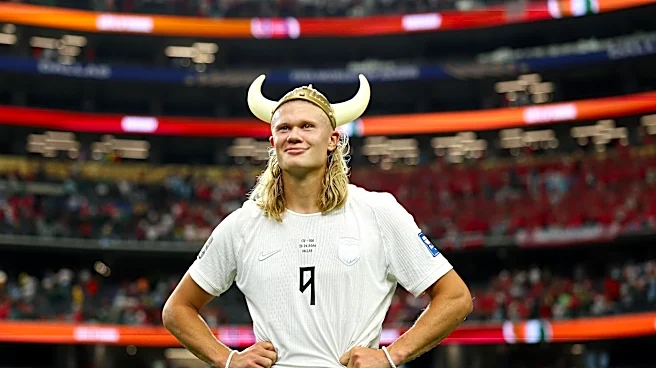
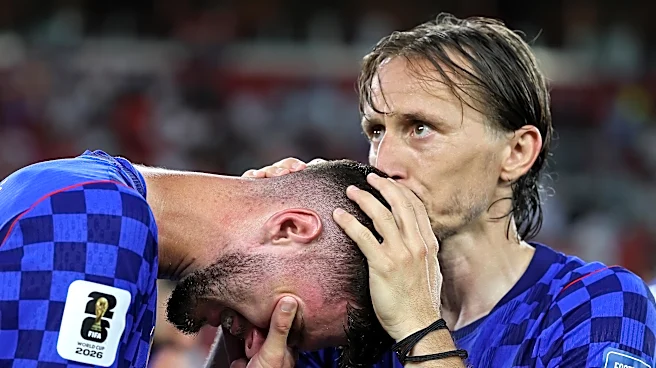
The television broadcast is a key part of this experience. The camera’s unblinking focus on the players’ faces turns a public ceremony into an intimate emotional event. You see the star striker, a millionaire many times over, with tears streaming down his face. You see the young defender, eyes closed, singing with a force that seems to come from his very soul. This is the human element that makes sports so universally appealing, concentrated into a single, powerful moment. A 2018 study even suggested that teams whose players sing with more passion tend to perform better defensively, hinting that this display of unity has a tangible effect on the game. For the neutral, this is where you get hooked. You’re not rooting for a flag; you’re rooting for the raw, undeniable humanity on display.