




The Stage for Sartorial Spectacle
First, understand that Pitti Uomo isn’t your average trade show. While its official purpose is for brands and buyers to connect, its unofficial role is to serve as a global stage for menswear enthusiasts. The attendees, from magazine editors to buyers and influencers,
are known as “Pitti Peacocks” for their flamboyant and meticulously crafted outfits. They aren’t just getting dressed; they are performing style for an audience of street-style photographers. This context is everything. An outfit worn here is automatically imbued with intention and significance. It’s like the difference between a guitar played in a bedroom and one played at Carnegie Hall. The venue elevates the act, and at Pitti, every cobblestone is part of the set.
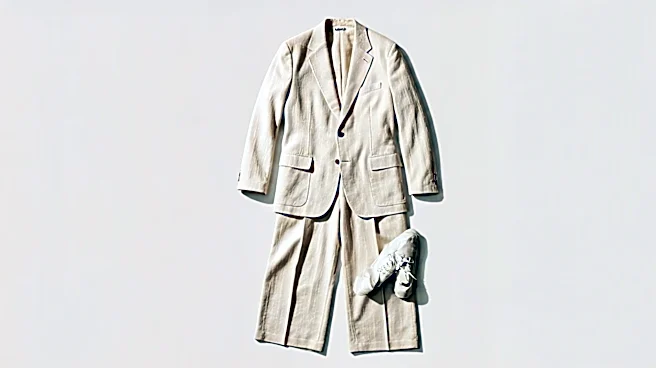
The Canvas: A Humble Linen Suit
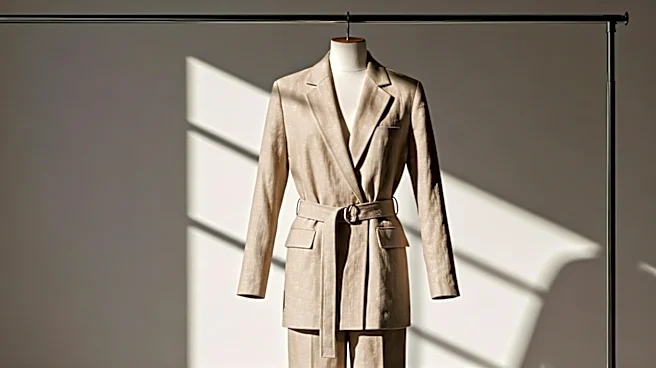
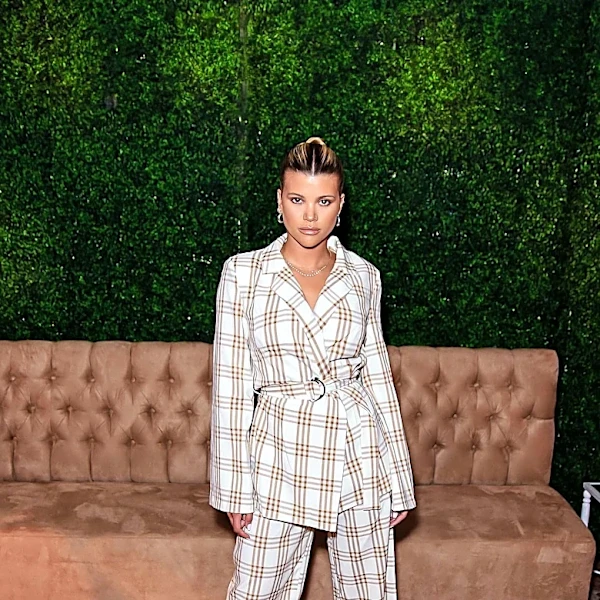
A linen suit is, by nature, relaxed. It wrinkles. It breathes. It’s the uniform of hot, lazy summer afternoons. But belting it changes the entire conversation. The traditional suit jacket silhouette is defined by its buttoning point and structured shoulders. Adding a belt—especially a “self-belt” made from the same fabric—cinches the waist and creates a more defined, almost utilitarian shape. It evokes the field jackets of old Hollywood adventurers or the elegant robes of an artist. This single move transforms the suit from a piece of standard formalwear into a considered “look.” It signals a conscious style choice, a deliberate break from the default rules of tailoring. The wearer isn't just putting on a suit; they are manipulating its form.
It’s All in the Styling
The suit is the canvas, but the styling is the paint. A belted linen suit at a typical summer wedding might be paired with a crisp white dress shirt and leather oxfords. At Pitti, it’s deconstructed. The shirt is swapped for a soft knit polo, a casual crewneck T-shirt, or even nothing at all, worn open for a dash of Mediterranean bravado. The shoes are never an afterthought; think suede loafers, espadrilles, or minimalist leather sandals—footwear that reinforces the suit’s relaxed, summery vibe. The belt itself is a key accessory. It’s rarely a simple corporate belt. Instead, you’ll see woven leather for texture, a silk scarf for a pop of color, or the aforementioned matching fabric belt for a seamless, architectural look. These choices strip the suit of its corporate stuffiness and recast it as a vehicle for pure personal expression.
The Final Touch: Sprezzatura
This is the magic ingredient. *Sprezzatura* is an Italian concept that means, roughly, “studied carelessness.” It’s the art of looking impeccably stylish without seeming to have tried at all. It’s the jacket draped over the shoulders instead of worn, the slightly unbuttoned shirt cuff, the perfectly imperfect fold of a pocket square. With the belted linen suit, sprezzatura is what makes it feel “editorial” rather than just “well-dressed.” The wrinkles in the linen are embraced, not fought. The belt might be tied slightly off-center. The entire look is worn with an air of nonchalance and confidence that says, “Yes, I know the rules, which is precisely why I know how to break them.” This attitude is what photographers capture and what turns a great outfit into an iconic image. It’s not just about the clothes; it’s about the man inside them.