



The Old-School Playbook
The life cycle of a TIFF breakout used to be a predictable, almost romantic process. It started with a surprise hit screening in a packed theater. The initial buzz wasn't tweeted; it was whispered in hallways and over cocktails at industry parties. The first
reports came from trade publications, whose seasoned critics could anoint a film or performance, setting off a chain reaction. This 'festival buzz' was a potent, if ephemeral, force that relied on the right people being in the right room. An ecstatic review, a lengthy standing ovation, and suddenly, executives were scrambling for their checkbooks, sparking all-night bidding wars in hotel suites. Stardom was conferred by a handful of powerful gatekeepers—critics, studio heads, and established producers—who decided which dark horse was worth betting on.
From Standing Ovation to Viral Sensation
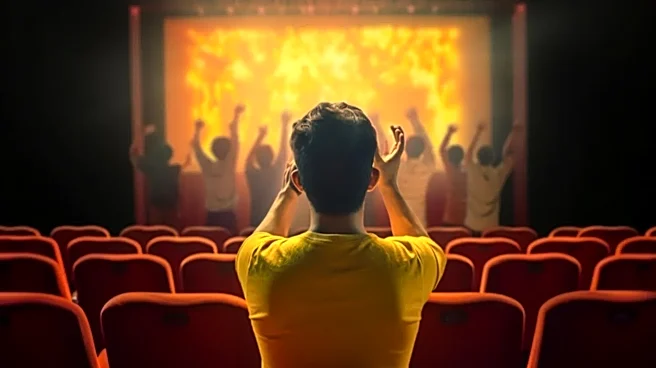
Enter social media, the great accelerant. Today, the first verdict on a film doesn't come from a trade review; it comes from hundreds of audience members simultaneously posting their raw, unfiltered reactions to platforms like X (formerly Twitter), Instagram, and TikTok. A standing ovation is no longer just a moment in a theater; it's a 15-second clip that can go viral globally before the cast has even left the stage. This shift has fundamentally altered the power dynamic. Filmmakers and studios are no longer just courting critics; they are playing to a global audience from day one. Social media has turned premieres into worldwide events, allowing fans who aren't in Toronto to feel like they are part of the excitement. This real-time feedback loop means buzz is no longer a slow burn—it's an instantaneous explosion.
The New Kind of Breakout Star
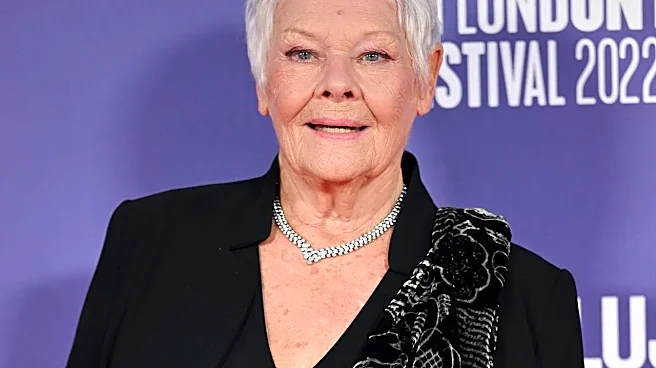
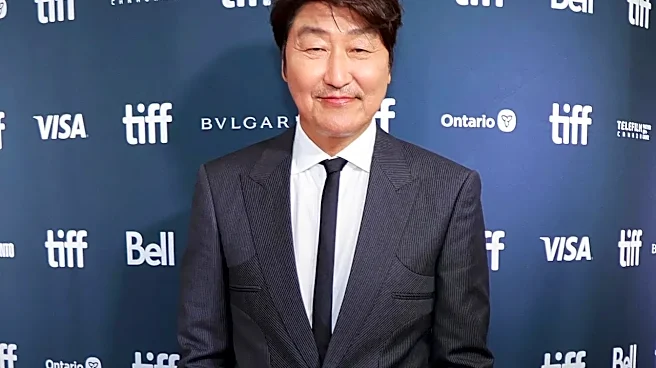
Social media hasn't just sped up the old process; it has created an entirely new type of breakout. The 'breakout' is no longer solely tied to a single acclaimed performance. An actor can now achieve festival fame for a sharp red-carpet look, a witty interview answer that becomes a meme, or a behind-the-scenes TikTok that showcases their personality. This decouples stardom from the film itself, creating a narrative around the individual that can sometimes eclipse the project they are there to promote. Platforms like TikTok have become so influential that they are now official partners of TIFF, bringing creators to the festival to provide behind-the-scenes access and drive conversation. This strategy acknowledges a new reality: the path to stardom can run through a creator collaboration just as easily as it can through a five-star review.
The Double-Edged Sword of Digital Hype
While the global reach offered by social media is a game-changer for independent filmmakers, it comes with risks. The lightning-fast hype cycle can create expectations that are impossible for a film to meet. A movie that plays perfectly to a festival crowd can feel underwhelming to a mainstream audience drawn in by a viral moment, leading to a swift backlash. Furthermore, online buzz doesn't always translate to box office success or awards contention. While data shows a significant percentage of TikTok users discover new movies on the app, converting that discovery into a ticket sale is a different challenge. The conversation moves so quickly that a film can be the talk of the town one day and forgotten the next, making the longevity of a social media-fueled breakout uncertain. The online buzz feeds the real-world buzz, but the resulting snowball can sometimes melt as fast as it forms.