





The Matte Sunscreen Promise
First, let's appreciate why we reach for matte sunscreens in the first place. For anyone who's ever battled a greasy T-zone, especially in the heat, they’re a game-changer. These formulas are designed to control oil and blur pores, creating a smooth,
shine-free canvas. The magic often comes from ingredients like silica, talc, or certain clays and polymers. They work by absorbing excess oil from your skin's surface, giving you that coveted velvety finish that seems like the perfect primer for a long-wear makeup look. On its own, a mattifying sunscreen is brilliant, providing critical sun protection without the slick, heavy feeling of more traditional formulas.
The Unseen Ingredient Conflict
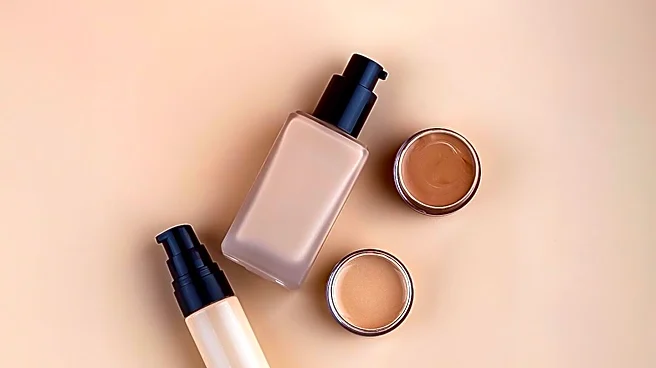
Here’s the “hidden reason” things go wrong: it's a microscopic battle of ingredients. Your matte sunscreen is doing its job by creating a dry, absorbent surface. However, many long-wear foundations and primers, especially those popular for festivals, are formulated with silicones (like dimethicone) or oils to provide slip, blendability, and a seamless finish. When you layer a silicone-heavy or oil-based foundation on top of a sunscreen loaded with absorbent powders like silica, the formulas don't merge. The sunscreen tries to absorb the liquid from your makeup, while the foundation’s silicones try to glide over the top. This incompatibility prevents the products from bonding, creating an unstable layer that's ready to fall apart.
Pilling, Separating, and Other Tragedies
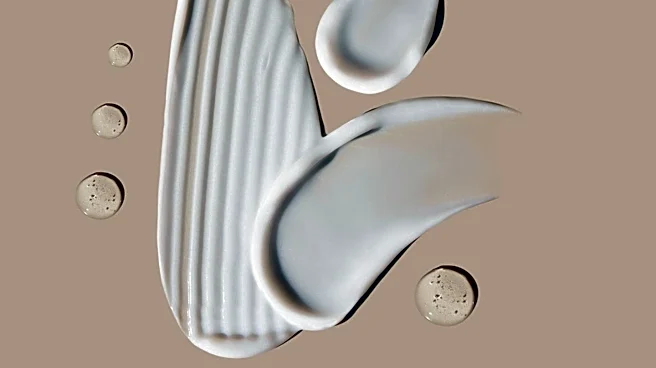
This ingredient clash manifests in several frustrating ways. The most common is pilling, where the products ball up into tiny, eraser-like flakes as you try to blend your foundation. This is the result of friction from your brush or sponge breaking up the unstable film on your skin. You might also see separation, where your makeup looks patchy or seems to curdle, creating tiny dots or bare spots, particularly around your nose and mouth. Instead of a cohesive, flawless base, you get a messy, uneven texture that only gets worse as the day goes on and you start to sweat. In essence, your sunscreen and makeup are actively repelling each other.
The Strategic Fix: How to Make It Work
So, how do you get sun protection without sabotaging your makeup? The solution is about strategic application and product selection. First, time is your best friend. After applying your sunscreen, wait at least 10-15 minutes before touching your face with makeup. This allows the sunscreen to fully set and form a stable film. Rushing this step is a primary cause of pilling. Second, consider your application technique. Instead of rubbing or buffing foundation with a brush, which creates a lot of friction, gently press and stipple your makeup on with a damp beauty sponge. This minimizes disruption to the sunscreen layer underneath. Finally, check your labels. Try pairing products with similar bases—a water-based sunscreen with a water-based foundation, or a silicone-based sunscreen with a silicone-based foundation. If matte formulas consistently give you trouble, consider switching to a hydrating or gel-based sunscreen. These often create a smoother, more compatible base for a wider range of makeup products.