








The Universal Language of 'Boom'
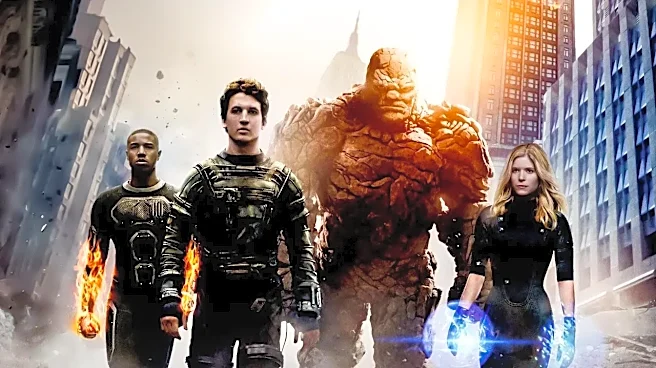
A rom-com’s witty banter might get lost in translation, but a tidal wave swallowing Manhattan is understood in every language. The visual spectacle of destruction is a primal, global currency. Filmmakers know that the visceral thrill of watching a landmark
explode or an alien ship carve through a city needs no subtitles. It’s a purely cinematic event that unites a multiplex in any country. This makes large-scale chaos the perfect foundation for a global blockbuster. It’s not just about selling tickets; it’s about creating a shared experience. When audiences in Tokyo, Toronto, and Tulsa all gasp at the same CGI explosion, they are participating in a collective ritual, speaking the same visual language of awe and shock.
Processing Fear in an Air-Conditioned Theater
On a deeper level, our appetite for cinematic destruction may be a way of processing our own real-world anxieties. In an era of climate change, political instability, and unpredictable threats, disaster films offer a safe, controlled environment to confront our worst fears. A movie like “The Day After Tomorrow” lets us watch the catastrophic effects of global warming from the comfort of a theater seat, knowing that a hero will ultimately find a way to survive. Psychologists suggest there’s a cathartic release in seeing these scenarios play out. It gives our minds a sense of power over imaginative threats, turning overwhelming anxieties into a manageable, two-hour narrative that almost always ends with humanity’s resilience.
Wiping the Narrative Slate Clean
Destruction also serves a crucial storytelling function: it’s the ultimate reset button. Annihilating a city instantly raises the stakes to their absolute maximum, establishing the villain’s credibility and the immense challenge facing the heroes. There’s no ambiguity when an entire city is turned to rubble. This act of “unbuilding” creates a blank slate upon which a new, heroic order can be established. In many superhero and sci-fi films, the collapse of corrupt or decadent cityscapes symbolizes the end of a flawed system, making way for something better to rise from the ashes. The heroes don’t just save what's left; they earn the chance to rebuild the world, hopefully avoiding the mistakes that led to the catastrophe in the first place.
From Novelty to Numbing Repetition
There was a time when this language felt new and shocking. When the White House was obliterated in 1996’s “Independence Day,” it was a genuinely startling moment in cinema history. It established a new high-water mark for blockbuster spectacle. In the decades since, however, the grammar of destruction has become almost too familiar. The razing of digital cities is now so commonplace that it can sometimes feel weightless, a blur of CGI pixels rather than a truly cataclysmic event. The language, once powerful, risks becoming a cliché. While audiences still show up, the constant escalation has led to a certain desensitization, where the destruction of one city feels much like the last, and the unique emotional impact is lost in the repetitive noise.