





The Unforced Error of Weekend Style
We’ve all seen it, or maybe even been guilty of it. A man puts together a sharp, considered casual outfit, only to sabotage it at the last second with his footwear choice. It’s not that the shoes are bad, necessarily—they just don’t belong. Often, they're
the same chunky, over-designed athletic sneakers used for actual sports, or a pair of worn-out dress shoes that have been unofficially demoted to “casual” status. This single choice can instantly downgrade an entire look, making it feel sloppy or thoughtless. The disconnect happens when the shoes don't match the intention of the rest of the outfit. A great weekend fit is about looking relaxed but purposeful. The wrong shoes scream accident, not intention.
The Detail You're Missing Is the Sole
So, what’s the secret? It’s not about owning dozens of pairs or following every fleeting trend. The hidden detail that makes or breaks a casual shoe is its sole. More than the color or even the material, the sole’s thickness, shape, and material dictate the shoe's overall attitude and where it fits on the formality scale. A sleek, thin leather sole communicates elegance and tradition. A thick, cushioned rubber sole signals athletic function or a more modern, streetwear-inspired look. Understanding how to leverage this detail is the key to mastering weekend footwear. It’s the visual anchor that either grounds your outfit in style or leaves it adrift.
Case Study: The Substantial Sole
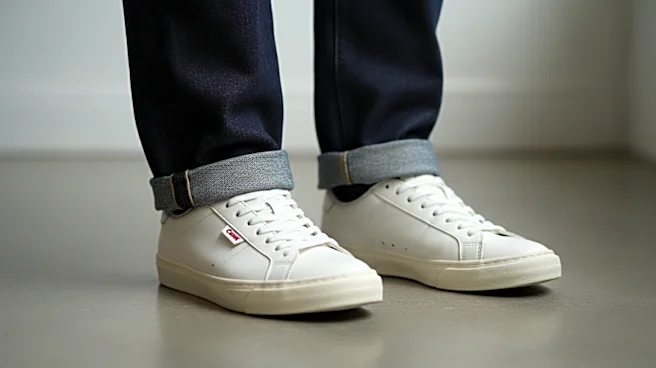
Lately, you've likely noticed the rise of shoes with more substantial soles—not necessarily the extreme “chunky” sneakers of a few years ago, but minimalist leather sneakers and casual boots with a bit more heft underneath. There’s a reason for this. A slightly thicker, solid sole provides a strong visual foundation for a casual outfit. It balances the proportions of relaxed-fit chinos or denim and adds a sense of deliberateness. Think of a clean, white leather sneaker with a solid rubber bottom—it’s more assertive and stylish than a flimsy, thin-soled canvas shoe. This applies to boots as well; a chukka boot with a sturdy crepe sole feels more intentionally casual and modern than one with a flat, formal leather bottom.
Knowing When to Go Sleek and Low
This doesn't mean every shoe needs a heavy-duty platform. A low-profile, sleek sole has its own crucial role to play. With more tailored casual trousers, smarter shorts, or during hotter weather, a bulky shoe can look clunky and out of place. This is where styles like classic driving moccasins, streamlined Venetian loafers, or minimalist canvas slip-ons excel. Their slim silhouette and flexible, often thinner, soles offer a more refined and lighter feel. The key is ensuring the shoe still looks intentional. A high-quality suede loafer with a thin but well-defined sole looks sharp; a worn-out, flattened-out sneaker just looks tired. The goal is sleekness, not flimsiness.
Applying the 'Sole' Principle
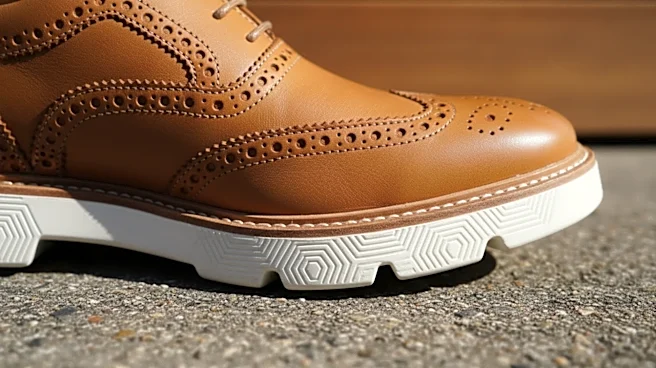
Start looking at shoes through this new lens. When pairing shoes with jeans or casual chinos, notice how different soles change the vibe. A penny loafer is a classic, but a penny loafer with a thicker lug sole transforms it from a preppy staple into a modern, rugged-casual statement piece. A simple Derby shoe with a traditional leather sole is business casual, but switch that to a chunky rubber or crepe sole, and it becomes a perfect companion for dark denim on a Saturday night. By focusing on the sole, you stop thinking in rigid categories like “dress shoe” or “sneaker” and start seeing the shoe for its true character.