
The Dream vs. The Reality
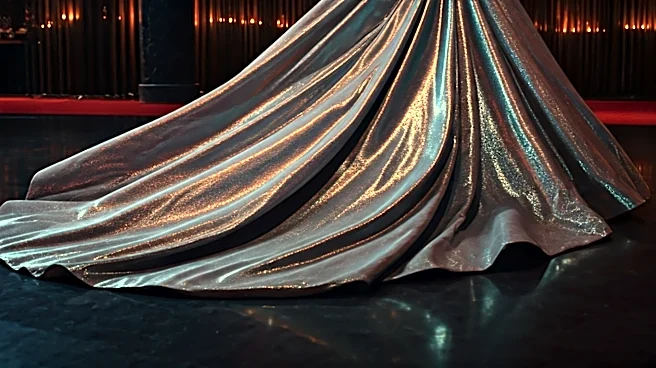
The red carpet is a battlefield of flashbulbs, competing egos, and very limited real estate. For a celebrity wearing a gown with a train that could double as a queen-sized bedsheet, the potential for disaster
is high. One wrong step, one careless photographer, or one gust of wind could turn a grand entrance into a viral blooper. The train can get caught, stepped on, or simply refuse to lay flat, bunching up into a sad puddle of couture fabric. This is the central challenge that celebrity stylists face: how to deliver the visual drama of a sweeping train while navigating the chaotic reality of a major awards show. The flawless images we see are the result of a meticulously planned operation designed to defy fashion physics.
The Invisible Assistant's Best Friend
Here's the secret that often makes the biggest difference: the 'fishing line' trick. While not used for every gown, it's a legendary tool in the stylist's arsenal for achieving that perfect, ethereal spread. A stylist or an assistant, often ducking just out of the camera's main view, will use a piece of clear fishing line or a thin, custom-dyed rod to subtly tug and arrange the train as the celebrity poses. For static photos, this allows them to create a perfect circle or fan shape that would be impossible to achieve naturally. The filament is virtually invisible to the camera, creating the illusion that the fabric has a mind of its own. It’s a low-tech solution to a high-fashion problem, a piece of quiet ingenuity that creates those million-dollar shots.
Engineering Built Into the Gown
The best stylists don’t just work with the dress; they work on the dress. Long before the AMAs, stylists collaborate with designers to build functional elements directly into the gown’s architecture. One of the most common features is a hidden wrist loop, or “wristlet.” Tucked discreetly on the underside of the train, this loop allows the wearer to simply hook a finger or wrist through it and lift the fabric off the floor while walking between photo ops or heading to the after-party. Another solution is the modern bustle, a system of nearly invisible hooks and eyes that allows the train to be elegantly pinned up. For some events, designers even create gowns with detachable trains, giving the celebrity a grand look for the carpet and a more practical, dance-floor-ready silhouette for the rest of the night.
The Art of the 'Fluff'
If you watch red carpet arrivals closely, you’ll often see a second person darting around the star like a helpful shadow. This is the on-site stylist or 'fluffer,' and their job is mission-critical. As the celebrity steps out of the limo and onto the carpet, the fluffer is there to make final adjustments. They unfurl the train, smooth out any wrinkles from the car ride, and arrange it perfectly for that first wave of photographers. They are the masters of the kick-and-smooth, using a swift movement of their foot or hand to spread the fabric just so. This moment of choreography is crucial. It sets the tone for the entire walk, ensuring the gown is presented exactly as the designer and stylist intended before the star even takes their first step.
Rehearsal, Rehearsal, Rehearsal
No one walks onto the AMAs red carpet cold. A celebrity and their team will almost always conduct a dress rehearsal. This isn’t just about seeing if the gown fits; it’s about learning how to live in it for a few hours. The star will practice walking, turning, and even sitting to understand how the fabric moves and falls. They learn the specific cadence needed to keep the train from tangling in their heels and how to angle their body for the most flattering photos. This practice session is where they master the wristlet, figure out the train's weight and drag, and build the muscle memory needed to project an aura of effortless grace. The walk that looks so natural is, in fact, a carefully choreographed performance.