









Every Thanksgiving, you're cast in a movie. You don't get to pick the genre, but it's almost always one of two scripts: the chaotic 'Road Comedy' or the tense 'Family Drama'. Which one are you starring in this year, and how do you nail the part?
The 'Road Comedy': Getting There Is the Whole Story
You know
you're in a Thanksgiving road comedy if the journey itself is the main event. The plot is simple: get to the destination against all odds. The cast features a small, stressed-out crew, often a couple or a few friends, trapped in the rolling metal box of a car. The conflict isn't deep-seated trauma; it's a series of escalating, external mishaps. Think a flat tire in the middle of nowhere, a disastrous detour through a bizarre small-town festival, a questionable gas station snack that incites a crisis, or the simple, maddening reality of holiday traffic. The dialogue is a mix of bickering, frantic map-reading, and the kind of delirious jokes that only emerge after ten hours on the highway. The goal isn't emotional resolution, but physical arrival—stumbling through the door, haggard but victorious, with a wild story to tell. Your triumph is measured in miles covered, not feelings processed.
The 'Family Drama': The Real Action Is at the Table
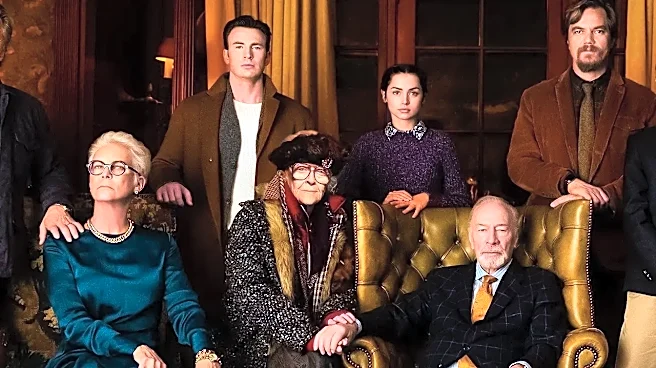
Conversely, you're in a family drama if the travel is uneventful, because the real conflict is waiting for you at the destination. This genre thrives in a single, pressure-cooker location, usually a family home. The ensemble cast is much larger, featuring recurring characters like the well-meaning but critical matriarch, the uncle who steers every conversation toward politics, the sibling rivalries that never quite faded, and the assorted partners trying to stay out of the crossfire. The plot is fueled by subtext, secrets, and simmering resentments that have been brewing for years. Conflict erupts over seemingly minor things—a comment on the dryness of the turkey, a question about a career choice, or the seating arrangement—but it's never really about the turkey. These stories are driven by internal dynamics, with long-held roles re-emerging the moment you walk through the door.
How to Survive Your Starring Role
Your survival strategy depends entirely on the script you've been handed. If you're in the 'Road Comedy', embrace the chaos. The key is to see the mishaps as part of the adventure, not a personal failure. Pack extra snacks, curate an impeccable playlist, and try to find the humor in the absurdity. Your co-star is your ally. The bond forms through shared misery and the eventual triumph of arrival. If you find yourself in the 'Family Drama', your approach must be more tactical. It's about setting boundaries and managing your responses. You can't control what your relatives will say, but you can control whether you engage. Identify your triggers and have a few neutral deflections ready, like, 'Let's not get into that today'. Find an ally—a sibling or cousin who gets it—and agree on a signal for when you need a break. An escape plan, even just a walk around the block, can be a crucial tool for resetting when tensions rise.
The Resolution: Redemption or Just Roll Credits?
Every movie needs an ending, but the finales of these two genres look very different. The 'Road Comedy' typically ends with catharsis. You and your travel companions, having survived the journey, finally get to eat. The story of your disastrous trip becomes a badge of honor, a funny anecdote shared over pie that solidifies your bond. The drama was external, and now it's over. The 'Family Drama' often ends with a less clean resolution. The climax might be a tense argument followed by a fragile truce, or it might just fizzle out into unspoken exhaustion. The credits roll with the core issues unresolved, merely postponed until the next holiday gathering. The goal isn't necessarily to 'win' the argument, but to protect your peace and preserve the relationships you value, even if they remain complicated. The resolution is accepting that some family dynamics are a recurring series, not a standalone film.