






The Usual Suspects
When we think of a festival weekend going sideways, our minds jump to the spectacular. A biblical thunderstorm turns the grounds into a mud pit, like at Woodstock '94. A headliner cancels at the last minute, leaving a gaping hole in the schedule. The
sound system cuts out during the weekend’s biggest set. These are obvious, high-profile disasters that grab headlines. Promoters and veteran festival-goers are conditioned to watch for these risks. They have contingency plans for rain, backup artists on speed dial, and redundant power grids for the main stage. But the real threat, the one that can quietly and completely undermine the entire operation, isn’t about star power or an act of God. It’s about something far more fundamental, something that’s both everywhere and nowhere: the supply chain for basic goods.
Meet the Cold, Hard Culprit: Ice
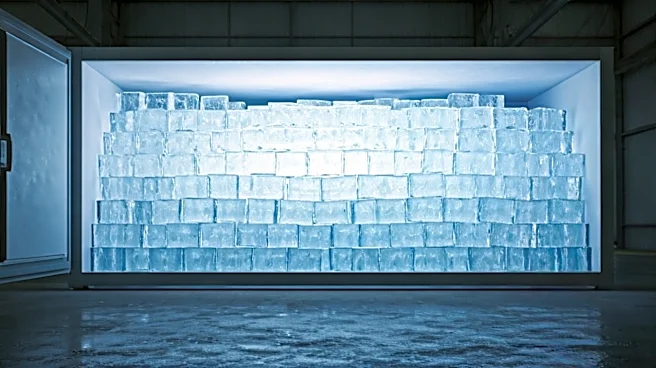
It sounds almost laughably simple, but the single greatest unsung point of failure for a large-scale outdoor event is often its ice supply. Forget the headliner's pyrotechnics; the most critical logistical challenge might be keeping hundreds of thousands of drinks cold. A multi-day festival like Coachella or Bonnaroo, hosting over 100,000 people in often-remote, sun-baked locations, can require hundreds of tons of ice. This isn’t just for the $15 cocktails, either. Ice is a critical component for food vendors to maintain health and safety standards, for medical tents treating heatstroke and minor injuries, for cooling misting stations that provide attendee relief, and for fulfilling the specific—and often non-negotiable—hospitality riders of the artists themselves. When the ice supply chain breaks, it’s not just an inconvenience; it’s a systemic failure that radiates outward.
A Logistical Nightmare by Degrees
So, why is this so difficult? An event’s ice operation is a perfect storm of logistical complexity. First, there's the sheer volume. Sourcing hundreds of tons of ice requires contracting with multiple regional suppliers months in advance. Then, this ice must be transported in a fleet of refrigerated trucks—or “reefers”—to a location that may be hours from the nearest major city, often down temporary roads. Once on-site, it can’t just be dumped in a pile. It needs to be stored in dozens of refrigerated trailers strategically placed behind the scenes. From there, a small army of staff with carts and utility vehicles must constantly re-supply every single bar, food stall, VIP tent, and backstage green room across a sprawling festival ground. It is a relentless, 24/7 battle against physics. Every minute a bag is out of a freezer, it’s melting. A single broken-down truck or a miscalculation in the delivery schedule can create a catastrophic shortage in a matter of hours.
The Cascade of Failure
When the ice runs out, the festival’s veneer of effortless fun cracks instantly. The first sign of trouble is the warm beer and soda, which immediately sours the guest experience and tanks vendor profits. But the problem quickly deepens. Food stalls risk being shut down by health inspectors if they can’t keep ingredients at a safe temperature. Medical staff lose a primary tool for treating dehydration and heat exhaustion. The mood of the entire event shifts from joyous to miserable as tens of thousands of hot, thirsty people grow frustrated. Social media lights up with complaints, not about the music, but about basic competence. For the promoter, this is a financial and reputational disaster. They are not only failing to meet customer expectations but are creating a potential public health risk, all because a frozen commodity we take for granted failed to appear at the right place at the right time.