
The Zen of the Up-Down Button
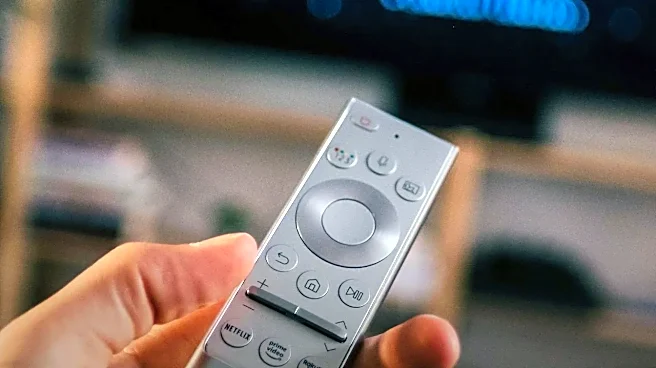
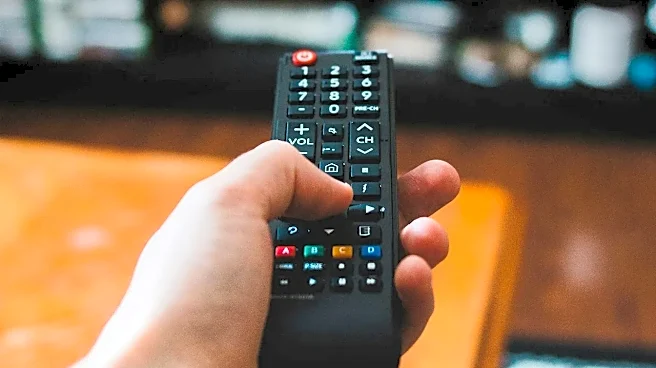
Let’s be honest: the magic of cable was never just about what was on. It was about the physical act of discovery. There’s a distinct, meditative rhythm to pressing the channel up button on a worn-in remote. It’s a low-stakes treasure hunt where the goal
isn't to find the 'perfect' show but simply to see what’s out there, right now. This is a fundamentally different experience from navigating a streaming service. Streaming demands intent. You open an app, you scroll through curated carousels, you type in a search bar. It’s an active, decision-heavy process. Channel surfing is the opposite; it’s a 'lean-back' experience that asks nothing of you. It’s the digital equivalent of staring out a train window, letting the world go by without needing to choose the scenery. That passive engagement is a form of mental decompression that the 'paradox of choice' inherent in streaming libraries simply cannot offer.
An Escape From the Algorithm
Every interaction with a streaming service is a data point. What you watch, what you pause on, what you abandon after five minutes—it all feeds an algorithm whose sole purpose is to predict and influence your next choice. It’s efficient, but it’s also confining. Your viewing habits create an invisible fence, penning you in with more of what you already like. Cable, for all its faults, is beautifully dumb in this regard. The lineup on a Tuesday night at 9 p.m. is the same for you as it is for your neighbor. There’s a shared, communal reality to it. The serendipity of stumbling upon an old movie you love or a documentary on a topic you’d never search for is a genuine discovery, untainted by a recommendation engine. Preferring cable can be a quiet act of defiance against a digital world that wants to know you a little too well, offering an experience that is blessedly free of personalization.
The Clumsy Impersonation by Live TV Apps
The streaming industry knows people miss this experience. It's why services like YouTube TV and Hulu + Live TV exist. They promise the best of both worlds: live channels without the clunky box. And for many, they work just fine. But for the channel surfing purist, they often miss the mark. The tactile, instantaneous feedback of a traditional cable box is surprisingly hard to replicate. A slight lag between channels, a clunky on-screen guide that takes a moment to load, or the occasional buffering wheel can shatter the seamless rhythm that makes surfing a relaxing ritual. While still a minority, about 22% of US consumers still use cable as their primary TV source in 2026. Many of those holdouts aren't just clinging to cable for live sports—a major driver for subscribers—but for a user experience that, decades in, remains stubbornly superior in its simplicity and speed for live viewing.
It's About the Container, Not the Content
Ultimately, the argument for cable in 2026 isn't about claiming its content is better. It rarely is. Streaming has won the war for prestige dramas, blockbuster movies, and on-demand convenience. But media consumption isn't always about accessing the best thing; sometimes, it's about the shape of the experience itself. The cable TV grid is a finite, structured universe. It has a beginning and an end. A streaming library is an infinite, amorphous void. After a day of endless choices at work and in life, coming home to a limited menu can be a profound relief. You don't have to build your evening’s entertainment from scratch. You just have to show up and flip. It transforms television from another task on your to-do list into a genuine escape.