

What Was Normcore, Really?
First, let's clear up what it wasn't. Normcore was never just about wearing “boring” clothes. It was about a conscious choice to reject the endless, exhausting cycle of trends. The term was coined in 2013 by K-Hole, a New York art collective that issued
tongue-in-cheek trend reports. They defined it as a mindset, a kind of “post-authenticity coolness” where the goal wasn't to stand out, but to find freedom in sameness. In a world where social media was turning everyone into a personal brand, normcore was a radical opt-out. It was a reaction against the pressure to perform individuality, suggesting that true coolness lay in mastering the art of blending in.
The Uniform of Intentional Blandness
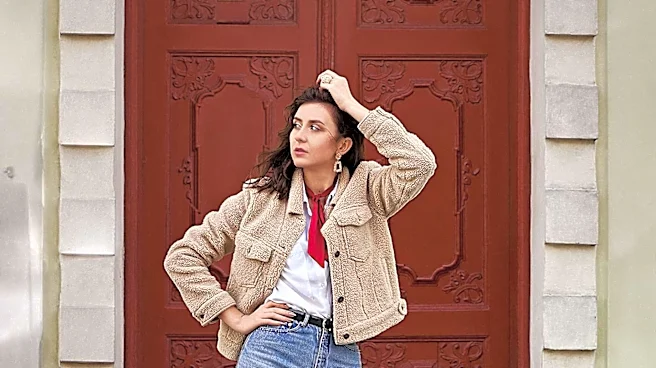
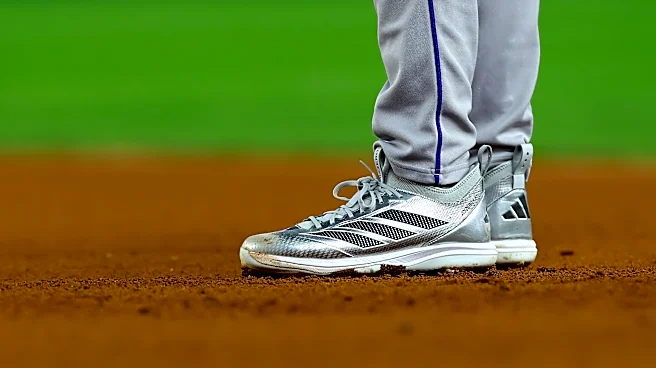
The look itself became iconic for its lack of icon-status items. Think of Jerry Seinfeld's sitcom wardrobe of dad jeans and white sneakers, or Steve Jobs' unwavering uniform of a black mock turtleneck and jeans. These weren't fashion statements; they were anti-fashion statements. The normcore uniform consisted of unisex, unpretentious basics: plain T-shirts, fleece pullovers, straight-leg denim, khaki pants, and chunky, orthopedic-looking sneakers from brands like New Balance. Logos were shunned. The color palette was a study in neutrals. The whole point was to look functional, comfortable, and utterly unremarkable—as if you could be an art student or a tourist from middle America. It was dressing with such intentional non-effort that it became, ironically, an effort in itself.
From Niche Joke to Mainstream Influence
What started as a niche concept in an art collective's PDF report quickly went viral around 2014, sparking a media frenzy and countless think pieces. Fashion magazines scrambled to define it, retailers started marketing it, and suddenly, dressing like you didn't care about fashion was the most fashionable thing you could do. Brands like Gap and Uniqlo, long known for their basics, found themselves at the center of the movement. The trend's rise showed that a significant number of people were tired of the pressure to be unique. Normcore gave them permission to just be comfortable, to find a sense of community not in shared exclusivity, but in shared normality.
The Ghost in the Machine: Quiet Luxury and Gorpcore
Though the term “normcore” has faded from daily use, its philosophy is everywhere. Its most obvious descendant is “quiet luxury,” the recent trend favoring high-quality, logo-free investment pieces. Quiet luxury is essentially normcore with a bigger budget; it maintains the anti-logo, understated ethos but executes it with luxurious materials like cashmere and perfect tailoring. Normcore’s emphasis on functionality also paved the way for “gorpcore,” a style centered on practical outdoor gear like fleece vests, technical jackets, and hiking shoes worn in urban settings. Both trends share a core DNA with normcore: a rejection of flashy, trend-driven fashion in favor of something more lasting, functional, and discreet.
A Legacy of Less
Ultimately, normcore’s biggest legacy isn't a specific garment but a mindset that has subtly reshaped our relationship with clothes. It questioned the very engine of fashion—the need for constant newness. By championing timeless basics and outfit repetition, it aligned with a growing desire for a more sustainable approach to consumption. It helped dismantle the idea that what you wear has to be a loud declaration of your personality. In a world saturated with micro-trends and influencer-driven hauls, normcore’s quiet rebellion feels more relevant than ever. It proved that sometimes, the most radical statement you can make is to say nothing at all.