







It’s Not a Shirt, It’s a Flag
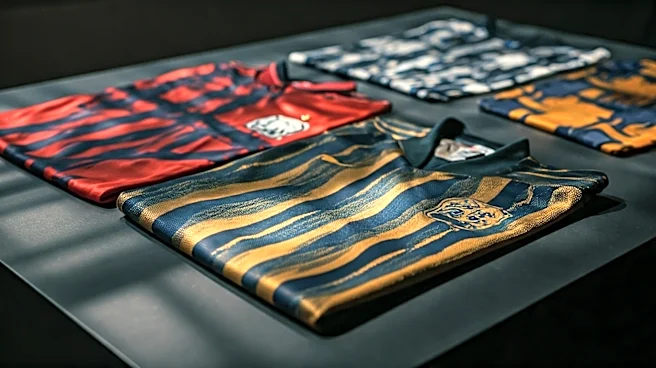
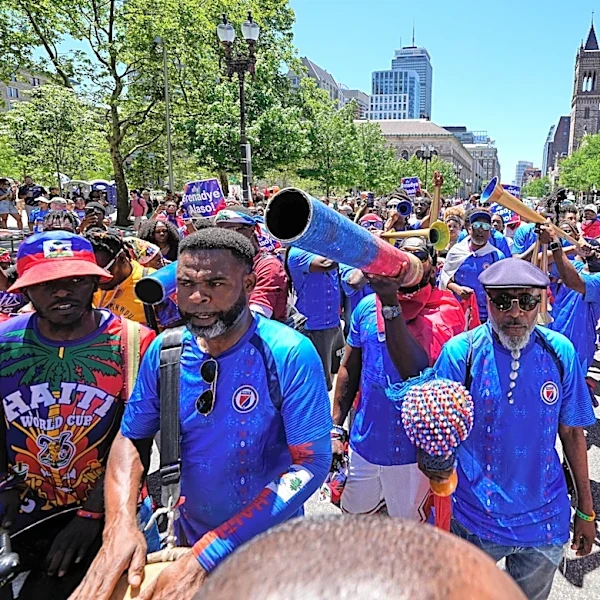
To understand the outrage over a misplaced stripe or a questionable color palette, you first have to understand that a national team’s jersey isn’t just sportswear. It’s a wearable flag, a symbol of identity, and the first thing that represents a country
on the global stage. When a design feels lazy, generic, or just plain weird—like the infamous 1994 U.S. Men’s National Team’s “denim” kit—it doesn’t just look bad. To devoted fans, it feels like a misrepresentation of the nation itself. A great jersey channels national character; a bad one feels like a marketing team in a distant office didn’t do its homework. It’s the visual embodiment of the hope, pride, and anxiety fans carry into a major tournament. Getting it wrong is a bad omen before a single ball has been kicked.
A Walking History Book
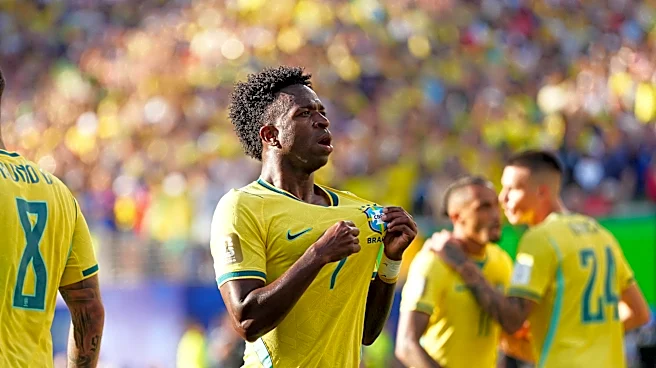
Every soccer jersey is judged against ghosts. The simple, elegant canary yellow of Brazil’s 1970 World Cup winners, the vibrant geometric patterns of the Netherlands’ 1988 European champions, or the iconic sky blue and white stripes worn by Diego Maradona in 1986—these aren’t just old designs. They are visual shorthand for glory, genius, and unforgettable moments. When a new kit is released, it’s instantly compared to these legendary predecessors. Does it honor the legacy? Does it feel worthy of the heroes who wore the crest before? A design that strays too far from tradition can feel like an attempt to erase history. Conversely, a thoughtful nod to a classic kit can instantly win over fans, tapping into a powerful sense of nostalgia and continuity. The jersey becomes a tangible link between generations of players and supporters.
The Streetwear Crossover Effect
In the last decade, the soccer jersey has escaped the stadium and stormed the world of fashion. It’s no longer just for game day; it’s a style statement. This trend exploded with Nigeria’s 2018 World Cup kit, a dazzling, zigzagging masterpiece that sold out globally and was worn by people who couldn’t name a single player on the team. This crossover has raised the stakes. A kit is now judged not only on its athletic merits but also on its aesthetic cool. Can you wear it to a bar? Does it look good with jeans? This new dimension adds another layer of scrutiny. Brands like Nike and Adidas are no longer just designing for athletes; they’re designing for the runway, the concert, and the Instagram grid. The result is a greater pressure to be bold and fashion-forward, which can sometimes clash spectacularly with the traditionalist demands of hardcore fans.
The Business of Belief
Let’s not forget the money. A new kit for a World Cup or Euros is a massive commercial product. Sportswear giants invest millions in design, technology, and marketing, and they expect to sell millions of units in return, often for upwards of $100 a pop. The pre-tournament reveal and the subsequent debate are a crucial part of this hype cycle. The fan judgment is, in part, a consumer reaction. Is this product worth my money? Does it make me feel proud to wear it? The fierce opinions are a form of crowdsourced quality control. If the collective verdict is a thumbs-down, it can directly impact sales. This commercial reality turns every fan into a critic, because they are the target market being asked to literally buy into the team’s new look.