






The Wizard's Propaganda Machine
In this version of Oz, the Wizard is more than a bumbling man behind a curtain; he’s a cunning autocrat who understands that power rests on controlling the narrative. Played with a slippery charm by Jeff Goldblum, this leader maintains his authority not
with magic, but with masterful public relations and fear. When faced with economic hardship and public discontent, he doesn't solve the problems—he invents an enemy. By systematically stripping the talking Animals of their rights and ability to speak, he scapegoats a minority to unify the majority against a common foe, a classic tactic of authoritarian regimes. The Emerald City becomes a landscape of political theater, where posters and pronouncements brand anyone who challenges the state as 'wicked', transforming public perception into a weapon.
A Kingdom Divided by Design
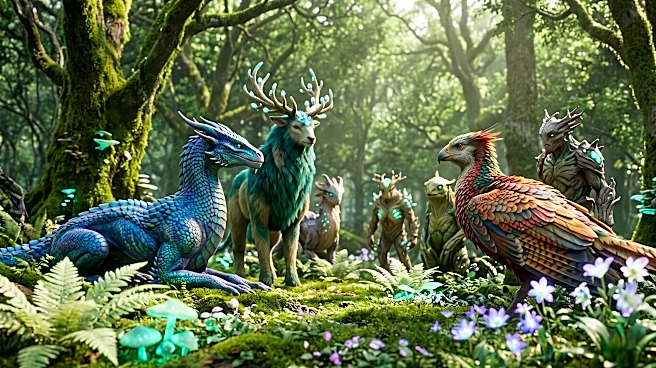
The political instability in 'Wicked' is rooted in a society deliberately fractured by those in power. The most prominent example is the plight of the Animals, who are systematically marginalized. In the film, this isn't a background detail; it's a central conflict. Dr. Dillamond, the goat professor, isn't just a quirky character; he represents an educated class being silenced and erased. The film expands this by showing a community of Animals concerned about their disappearing rights, making their persecution a collective tragedy rather than an individual one. This division between the human-looking Ozians and the Animals creates a stark social hierarchy that breeds fear and resentment, turning Oz from a magical utopia into a place where your species can determine your right to exist.
Elphaba, the Political Dissident
Elphaba’s green skin makes her an outcast from birth, but her true threat to the regime is her refusal to stay silent. She is branded 'wicked' not for any inherent evil, but because she exposes the Wizard's lies and stands up for the oppressed. Her transformation into a public enemy is a calculated political move by the state. Madame Morrible and the Wizard’s administration expertly use propaganda to turn her acts of defiance into proof of her malevolence. Elphaba represents the inconvenient truth that fragile leaders cannot tolerate. Her story becomes a powerful allegory for how whistleblowers and activists are often demonized by the very systems they seek to reform, their reputations destroyed to protect the status quo.
Glinda and the Comfort of Complicity
While Elphaba represents resistance, Glinda embodies the privilege of the elite who benefit from the existing power structure. Initially, she is not malicious, but her desire for popularity and acceptance makes her complicit in the Wizard’s agenda. As a beloved public figure, she becomes a powerful tool for the regime, her smiling face providing a 'good' counterpoint to Elphaba's manufactured 'wickedness'. Her journey explores a more subtle, but equally important, political theme: the moral compromises made by those who choose stability over justice. Glinda represents the segment of society that prefers to look away from injustice as long as it doesn't affect them directly, showcasing how good people can prop up oppressive systems through inaction.